




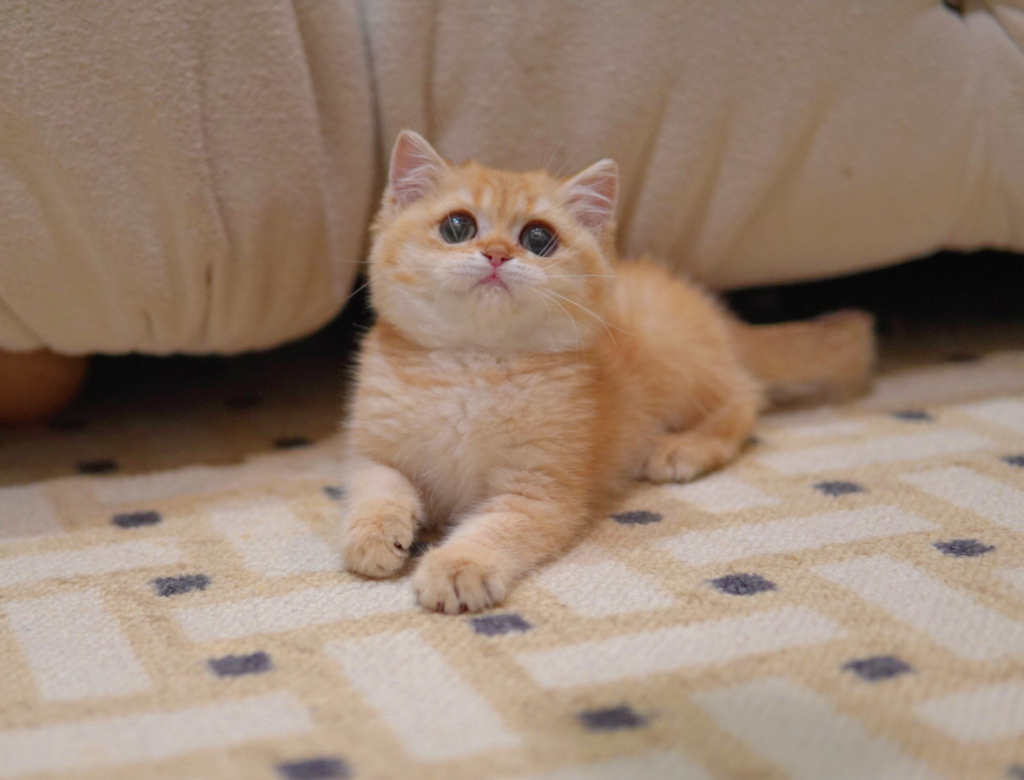
Quick answer: British Shorthairs are recognised in more than twenty colours across several patterns. Blue is the classic and by far the most common. Golden and silver shaded are the ones people search for most and cost the most. Lilac, chocolate and cinnamon are dilutes and variations that are much harder to find. Colour also determines eye colour: solid cats have copper or orange eyes, shaded golden and silver cats have green eyes, and colourpoints have blue eyes. Coat colour has no effect on temperament.
Say “British Shorthair” to most people and they picture one cat: a round, grey, teddy-bear face with big orange eyes. That cat is a blue British Shorthair, and it is the most common colour by a wide margin. It is also a fraction of what the breed actually comes in.
The colour matters more than it seems. It sets the price, sometimes by a large multiple. It determines the eye colour, which is not a separate choice you get to make. And it is the thing buyers get talked into or out of fastest, usually on bad information.
The Rule That Explains Everything Else
British Shorthair colours come in pairs. There is a full-strength colour and a diluted version of it, and the dilute is always the softer, paler one. Once you know the pairs, the rest of the chart stops being a list of names:
- Black dilutes to blue, so blue is not a separate colour at all, it is a diluted black.
- Chocolate dilutes to lilac.
- Red dilutes to cream.
- Cinnamon dilutes to fawn.
This is why lilac and blue get mixed up constantly. They are different parent colours diluted to a similar pale range. Chocolate and cinnamon are two different browns, so their dilutes are two different pale shades.
Blue: The Classic
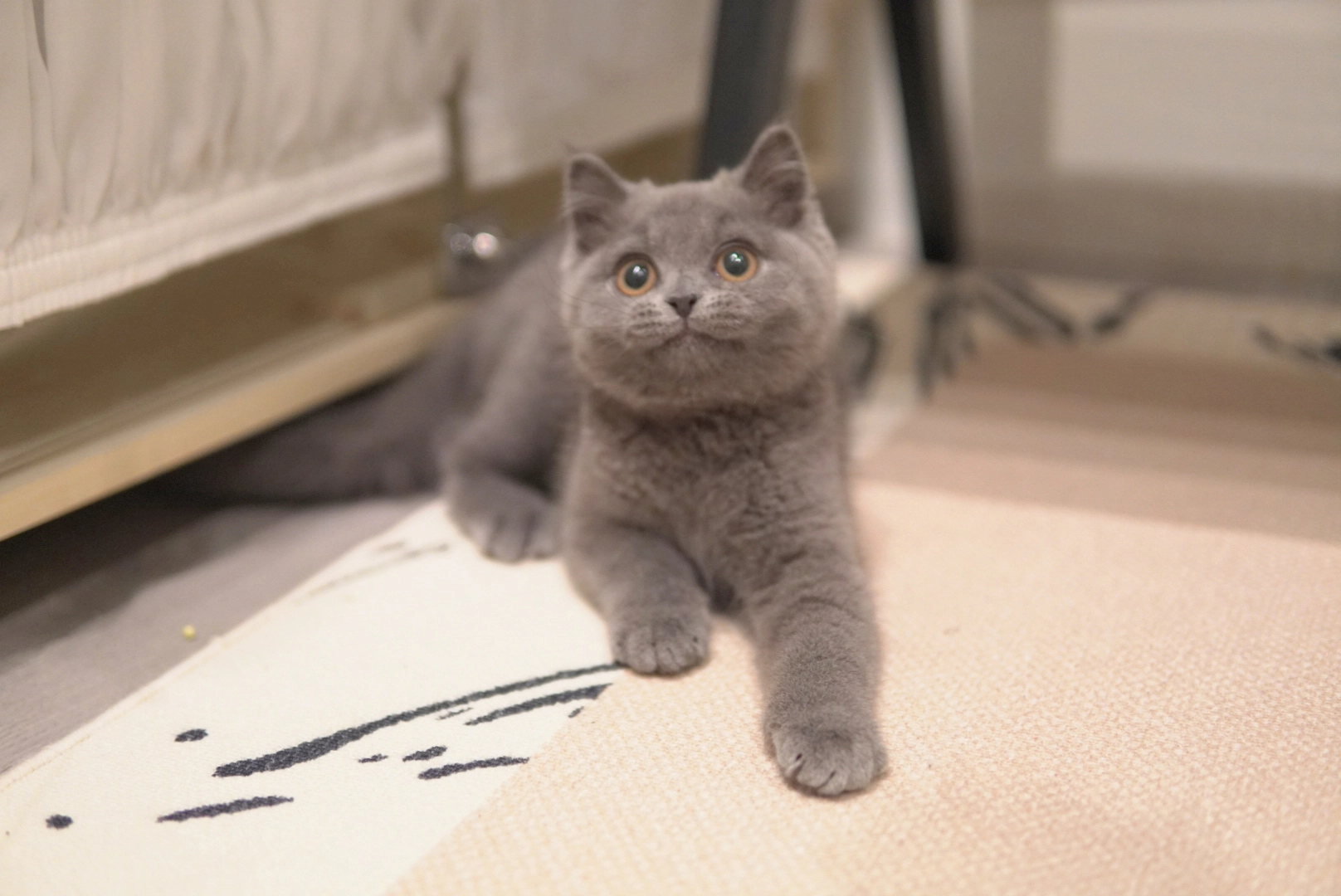
An even, solid blue-grey from nose to tail, with no white hairs, no tabby markings and a slate-blue nose and paw pads. Eyes are deep copper or orange.
This is the colour that made the breed famous and the one behind the teddy bear look everyone associates with British Shorthairs. It is the most widely bred colour, which makes it the most available and usually the most affordable.
Availability is not a knock on quality. A well-bred blue with correct type, a dense plush coat and rich copper eyes is a genuinely impressive cat, and the colour is popular because it works.
Golden: The One Everyone Is Searching For
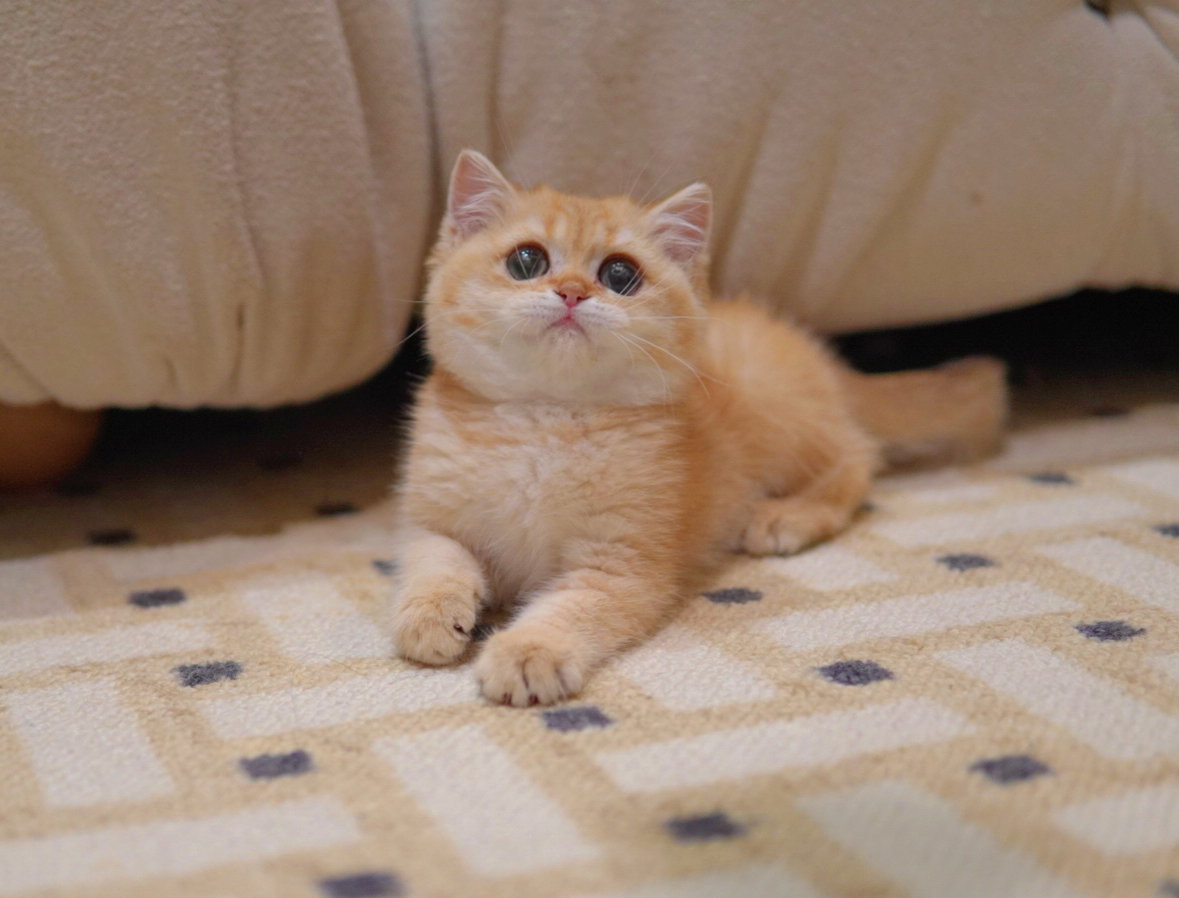
Golden is not a solid colour, which surprises people. It is a shaded or tipped pattern: the undercoat is a warm apricot and the tips of the hairs carry darker pigment, so the cat looks lit from underneath. How much tipping varies. Golden shaded cats carry more colour along the back and head, while golden chinchilla cats are far lighter, with barely a dusting across the coat.
The giveaway is the eyes. Golden and silver shaded British Shorthairs have green eyes ringed with a dark outline, plus a brick-red nose that is also outlined. If a listing says golden but the cat has orange eyes, something in that description is wrong.
Goldens cost more than blues, usually noticeably more. That is partly demand and partly that producing good tipping with clear green eyes takes selective breeding, and many golden litters produce kittens that do not hit the standard.
Silver Shaded and Chinchilla
The same shaded pattern as golden, but the base coat is pure white or silver rather than apricot, with black tipping over it. The effect is a cat that looks frosted.
Silver shaded cats also have green eyes with dark rims, and the same eyeliner-like markings around the eyes and nose. They are frequently mistaken for goldens, and the only difference is the colour of the undercoat.
Lilac and Chocolate
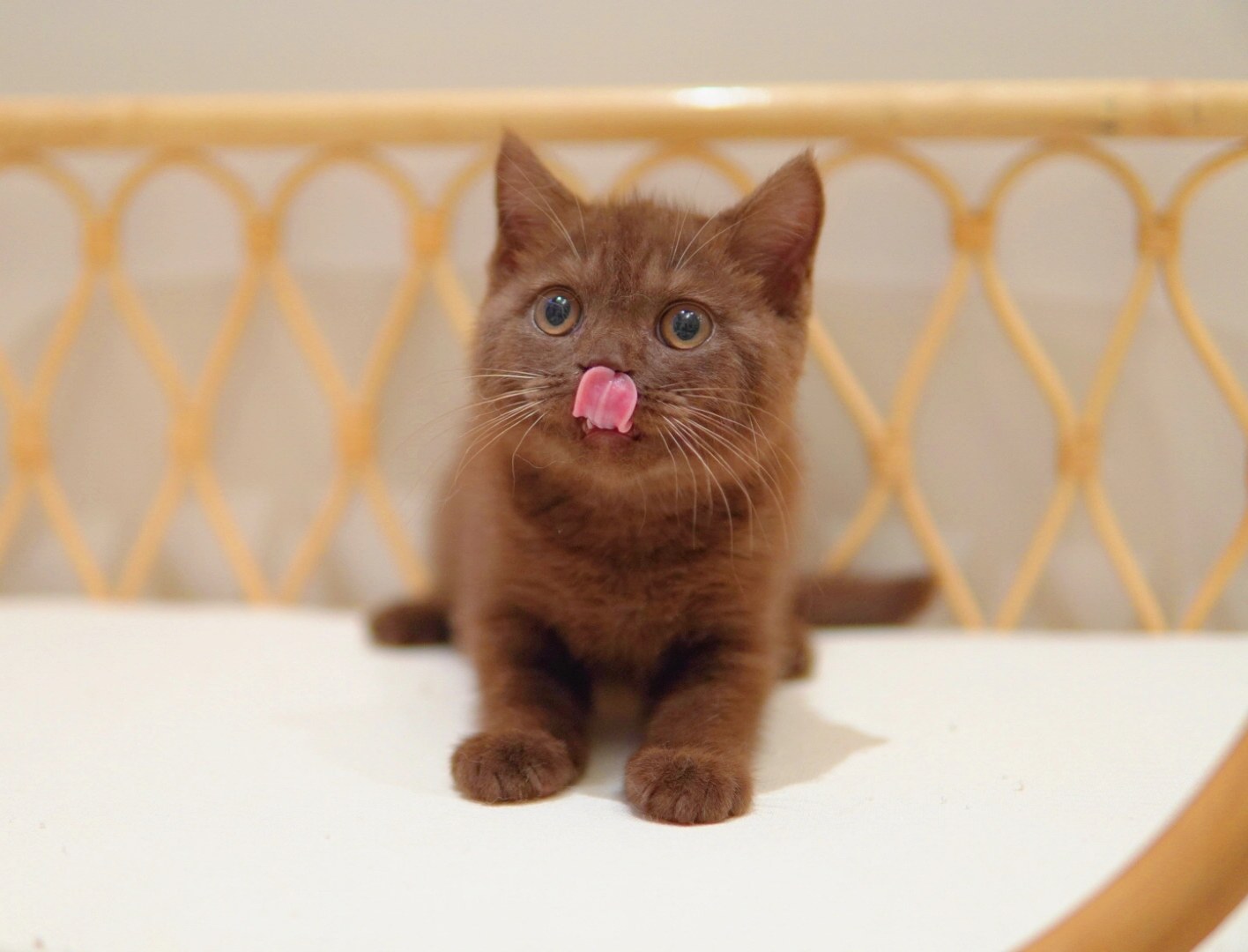
Chocolate is a solid, warm, rich brown across the whole cat, with a matching brown nose and pads and copper eyes. It should be even, with no ghost tabby markings showing through, which is harder to achieve than it sounds.
Lilac is diluted chocolate: a soft, pale grey with a distinctly pinkish or warm cast to it, and a pink-toned nose. Copper eyes again.
The lilac and blue confusion is worth spelling out, because people pay a premium for lilac. Hold them side by side and blue is a cool, steely grey while lilac is warmer and pinker, almost dusty. Alone in a photo, especially under warm indoor lighting, they can be very hard to tell apart. If you are paying a lilac price, see the cat in daylight and see the parents.
Both colours are recessive, which means both parents have to carry the gene. That is the real reason they are uncommon and priced accordingly, not marketing.
Cinnamon and Fawn
Cinnamon is a lighter, warmer, more reddish brown than chocolate, and fawn is its dilute, a pale warm beige. These are the rarest of the solid colours in the breed and you will not see them often in Singapore.
Cinnamon and chocolate get mislabelled in listings constantly. Cinnamon is noticeably warmer and lighter, closer to a cinnamon stick than to dark chocolate.
White
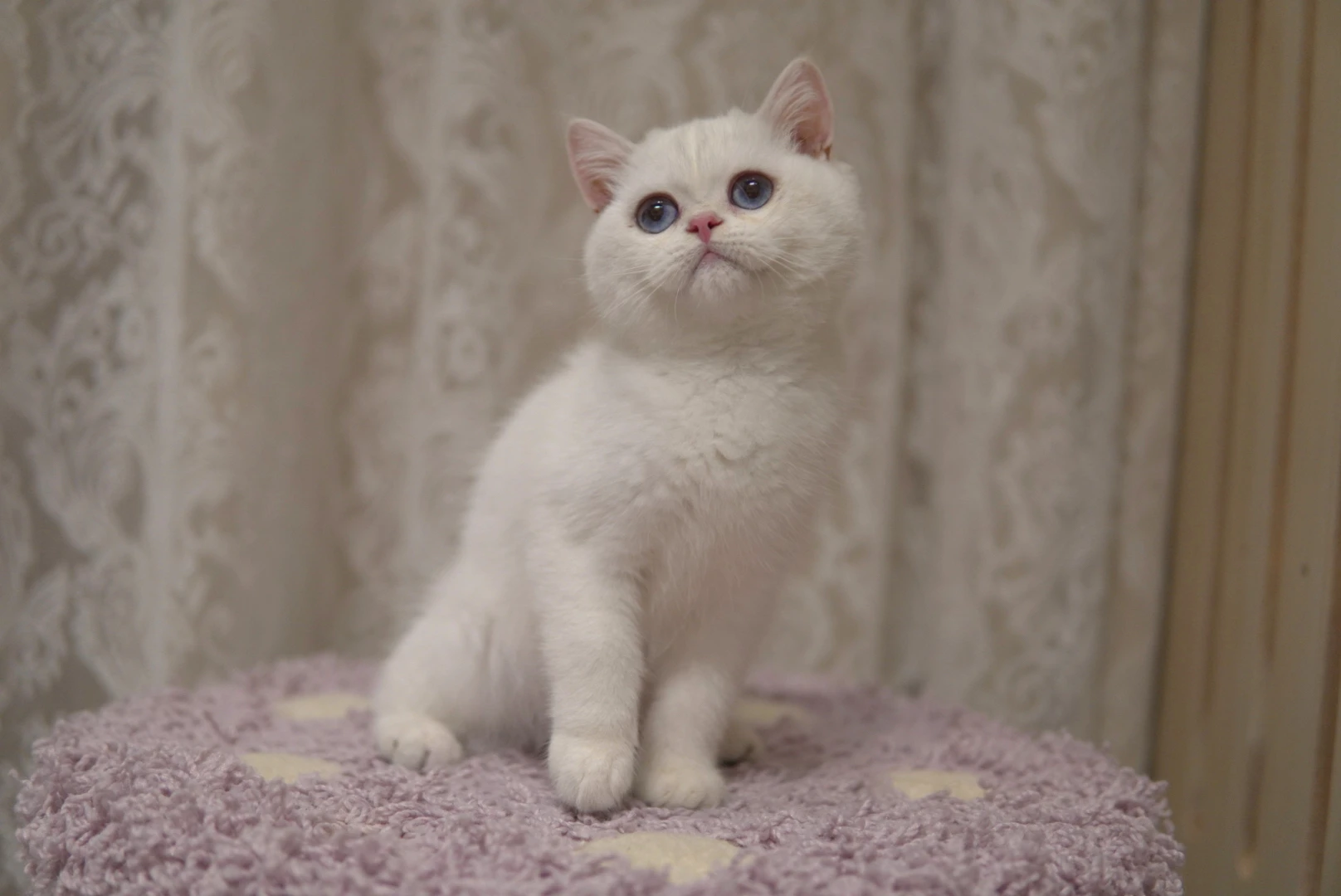
Pure white with no other colour anywhere, and a pink nose and pads. White is the one colour where eye colour genuinely varies: it can be blue, copper or orange, or odd-eyed with one of each.
One thing to know before you buy a white cat. The gene that produces solid white is linked to deafness, particularly in blue-eyed and odd-eyed whites, where the deafness can affect the ear on the blue-eyed side. Responsible breeders test hearing before a white kitten goes home. Ask for that result. A deaf cat can live a completely happy indoor life, but it is something you should know about rather than discover later.
Black and Cream
Black should be a dense, even jet black to the roots, with no rusty tinge and no white hairs. It is harder to breed well than most people assume, because sun exposure and an underlying tabby pattern can both spoil the coat.
Cream is diluted red: a soft, pale buttery colour, ideally even, though faint tabby markings are common and hard to breed out entirely.
Colourpoint
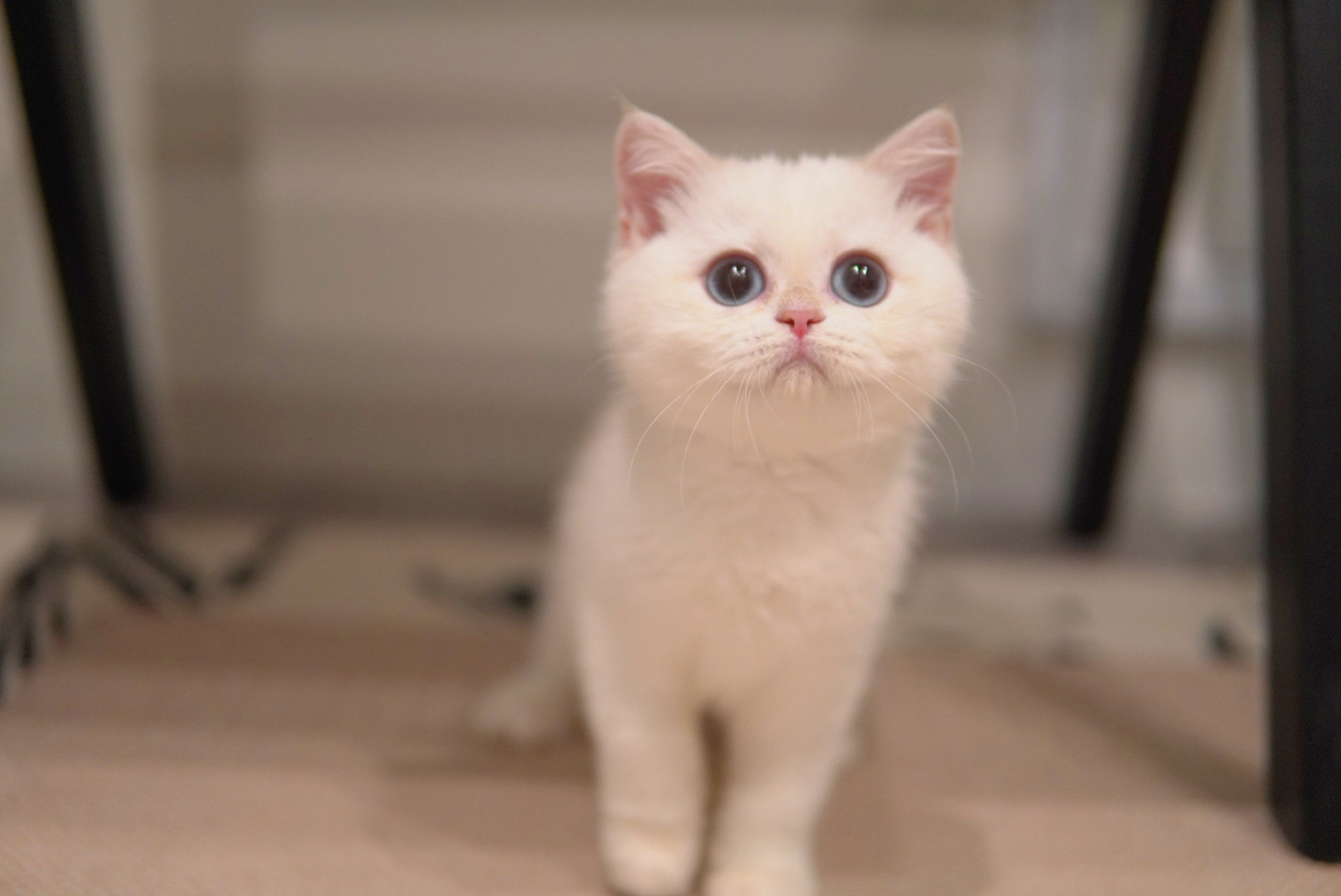
Colourpoint British Shorthairs have a pale body with darker colour concentrated on the face, ears, legs and tail, and blue eyes. The pattern comes from the same temperature-sensitive gene that makes a Siamese look the way it does. Cooler parts of the body grow darker fur.
Two things follow from that. Colourpoint kittens are born almost white and the points darken over the first weeks and months, so a young kitten will change. And because the gene responds to temperature, a cat living in a consistently air-conditioned Singapore home can develop slightly darker points than one that does not.
The points come in the same colours as the solids, which is where names like blue point, chocolate point and golden point come from.
Bicolour, Tabby and Tortie
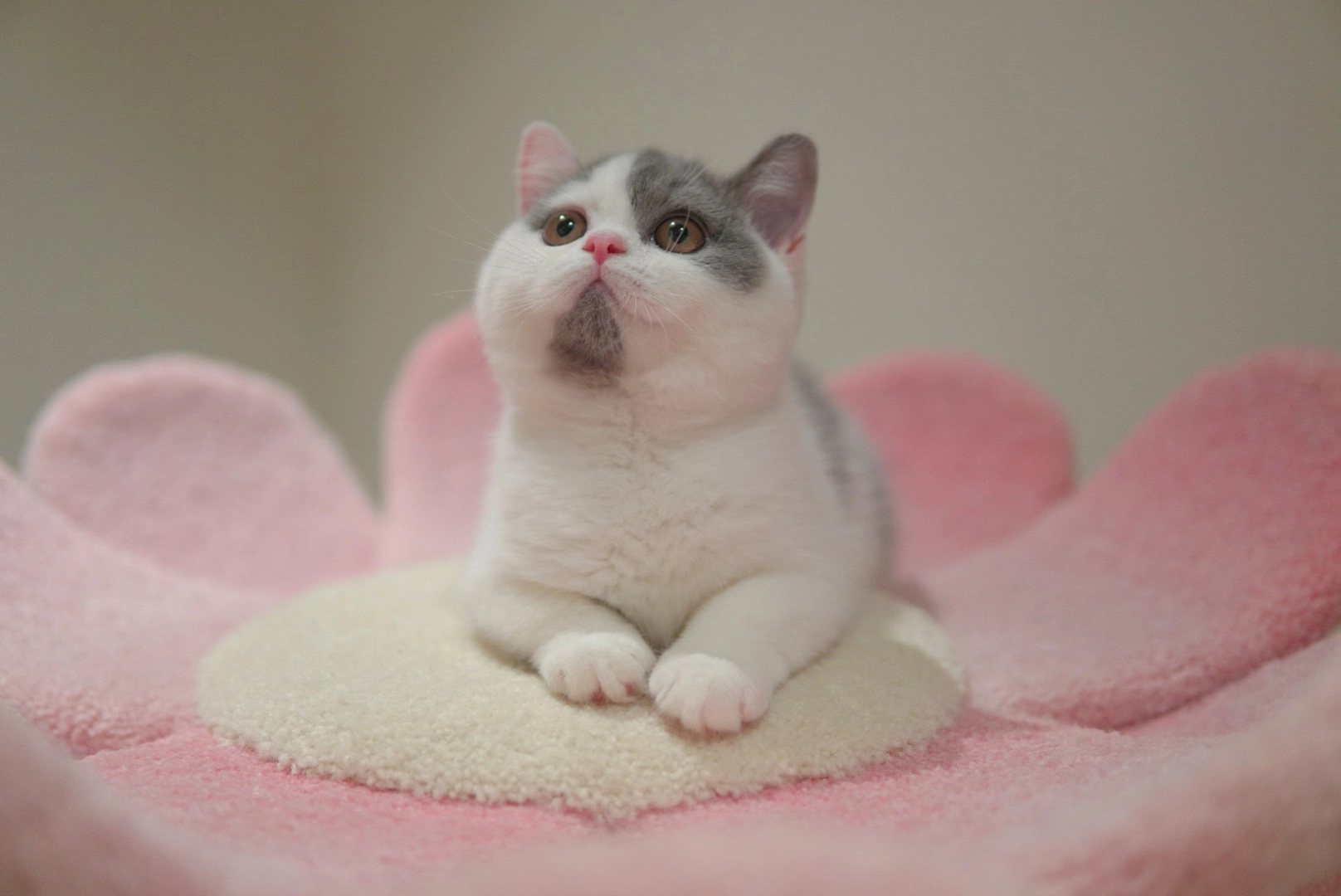
Bicolour is any colour combined with white. Blue and white is the most common. The show standard wants the white roughly balanced and symmetrical, with a clean line, though pet-quality bicolours vary a lot and that has no bearing on health or temperament.
Tabby comes in classic (broad swirls with the bullseye on the flank), mackerel (narrow vertical stripes) and spotted. Silver tabby is the most striking of these.
Tortoiseshell is black and red, or their dilutes blue and cream, mottled together. Torties are almost always female for genetic reasons, so male torties are extremely rare and usually sterile. A tortie with white patches is called a calico or tortie-and-white.
Which Colours Cost More, and Why
Roughly, from most available to least, in the Singapore market:
- Most available: blue, blue and white bicolour
- Mid range: black, cream, tabby, colourpoint
- Higher: golden shaded, silver shaded, chinchilla
- Highest and hardest to find: lilac, chocolate, cinnamon, fawn
Two honest points about pricing. Rarity is real and it comes from recessive genes needing both parents to carry them, so a rare colour price is not automatically a markup. But colour is also the easiest thing in the world to overclaim in a listing, because most buyers cannot tell a lilac from a blue or a cinnamon from a chocolate in a phone photo.
Health screening, correct breed type and how the kitten was raised matter far more to the next fifteen years than the shade of its coat. If you are budgeting, our breakdown of the true cost of owning a cat in Singapore puts the purchase price in context against everything that follows it.
Colour Does Not Change the Cat
There is a persistent belief that certain colours are friendlier, or that goldens are sweeter, or that blues are lazier. There is no evidence for any of it, and it is one of the myths about the breed that will not die.
Coat colour is a handful of pigment genes. Temperament comes from genetics unrelated to colour, from how the kitten was socialised in its first weeks, and from how it is handled at home. A golden and a blue from the same litter will be as similar or as different as any two siblings.
So pick the colour you actually want to look at every morning for the next fifteen years, and pick the breeder on health testing and how the kittens were raised. Those are two separate decisions and only one of them is about looks. The same holds for the British Longhair, which comes in this same colour range with a longer coat.
Frequently Asked Questions
How many colours do British Shorthairs come in?
More than twenty recognised colours, across solid, shaded, colourpoint, bicolour, tabby and tortoiseshell patterns. Blue is the most common and the one most people picture, but the breed standard covers a much wider range.
What is the rarest British Shorthair colour?
Cinnamon and fawn are the rarest, followed by lilac and chocolate. These colours are recessive, meaning both parents must carry the gene, which is why they appear far less often than blue.
Why do golden British Shorthairs have green eyes instead of orange?
Eye colour is tied to coat pattern. Shaded and tipped cats, both golden and silver, are bred for green eyes with dark rims, while solid colours such as blue and chocolate have copper or orange eyes. Colourpoints have blue eyes.
What is the difference between a lilac and a blue British Shorthair?
Blue is a diluted black and looks cool and steely grey. Lilac is a diluted chocolate and looks warmer, paler and slightly pink or dusty. They are easy to confuse in photos, so view the cat in natural light and see the parents before paying a lilac price.
Does a British Shorthair’s colour affect its personality?
No. Coat colour is controlled by pigment genes that have nothing to do with temperament. Personality comes from breeding lines, early socialisation and how the cat is handled at home, not from the colour of its coat.
See the Colours in Person
Photos are the worst way to judge a British Shorthair’s colour. Phone cameras shift white balance, indoor lighting warms everything up, and the difference between a blue and a lilac can disappear entirely on a screen.
If a particular colour matters to you, come and see the kitten and its parents in daylight. We health screen our cats and raise them at home, and we will tell you honestly what colour a kitten is and what it is likely to look like once the coat finishes developing. Browse our available British Shorthair kittens, read the complete British Shorthair guide for Singapore owners, or look at the British Longhair for the same colours in a longer coat.
