




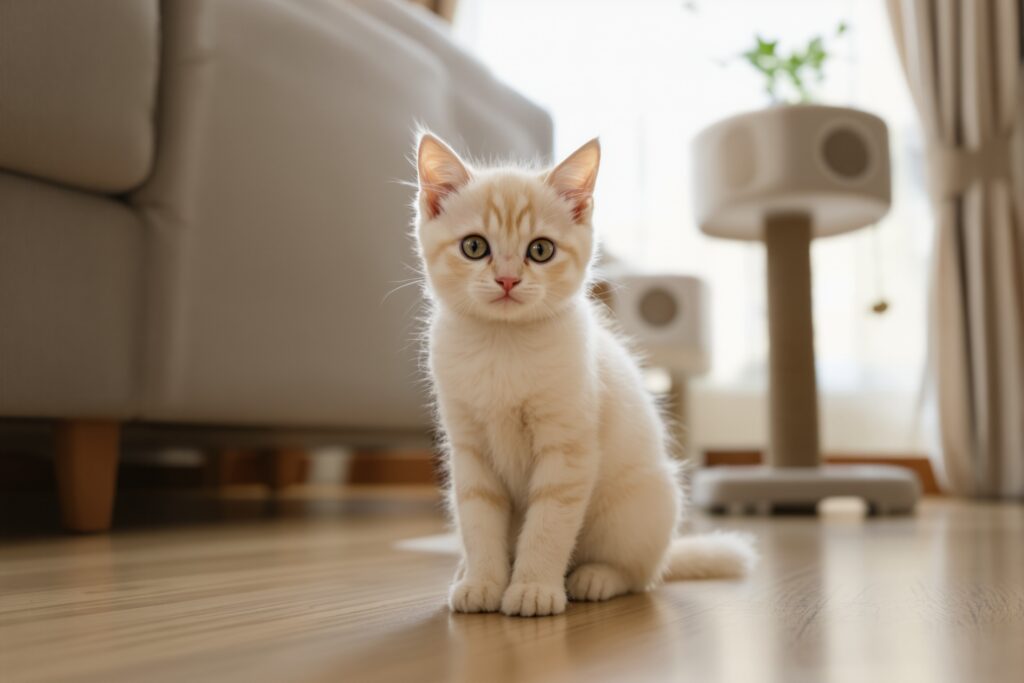
Everyone budgets for the kitten. Almost nobody budgets for year four.
Owning a cat in Singapore is one of the most rewarding commitments you can make — and one of the most underestimated. The sticker price of the kitten is rarely the biggest expense. It’s the slow, steady cost of the next 15 to 18 years: food, litter, vet visits, insurance, boarding, the occasional 2am emergency.
This is an honest, year-by-year breakdown of what it actually costs to own a cat in Singapore in 2026 — in Singapore dollars, with realistic numbers, and no one trying to sell you something you don’t need.
The One-Time Setup: Year 0
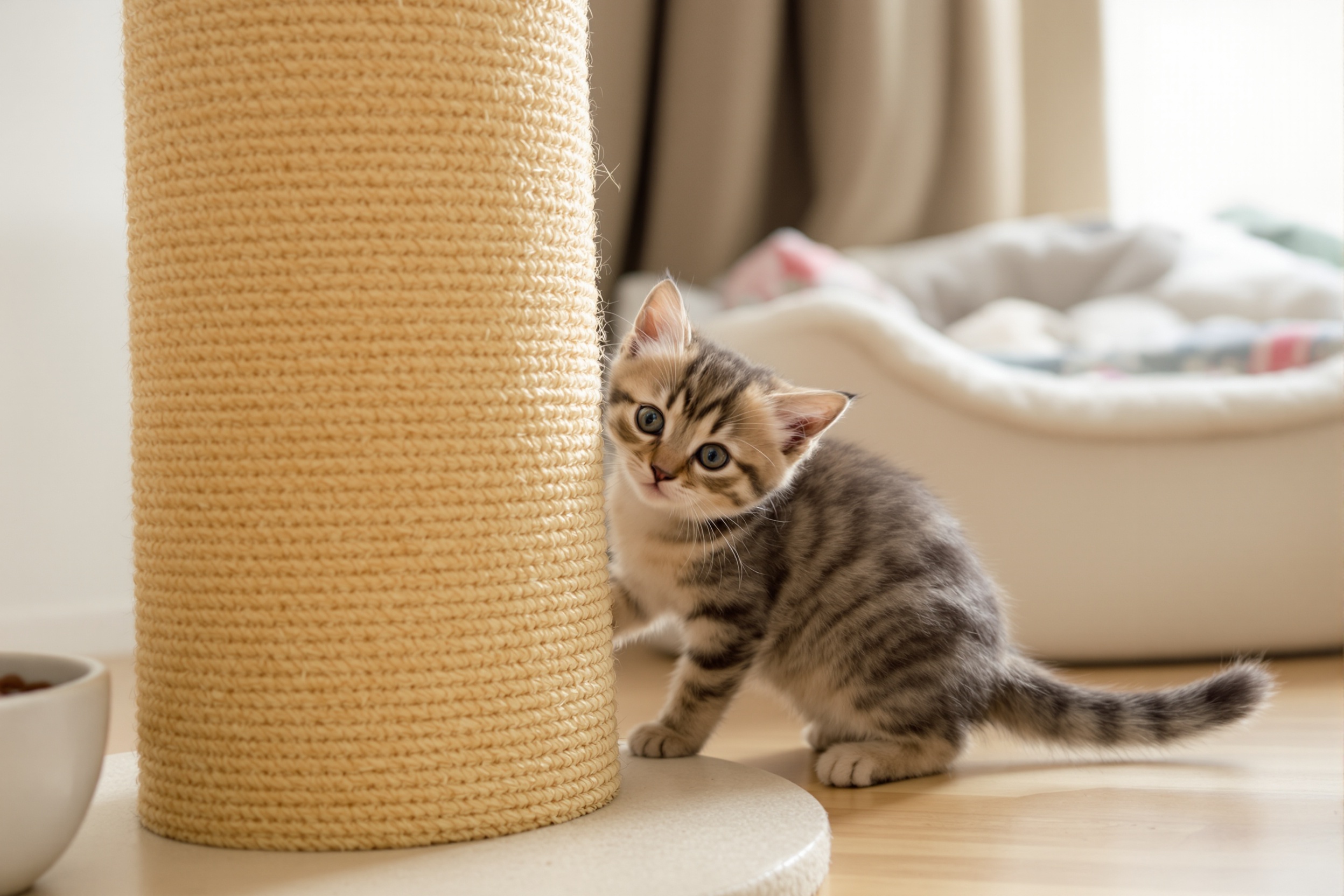
Before your cat even comes home, you’ll spend on the essentials and the first round of vet care.
Essentials (one-time, not food)
- Litter box (or two — more is better): SGD 40–120
- Cat tree or tall scratching post: SGD 100–400
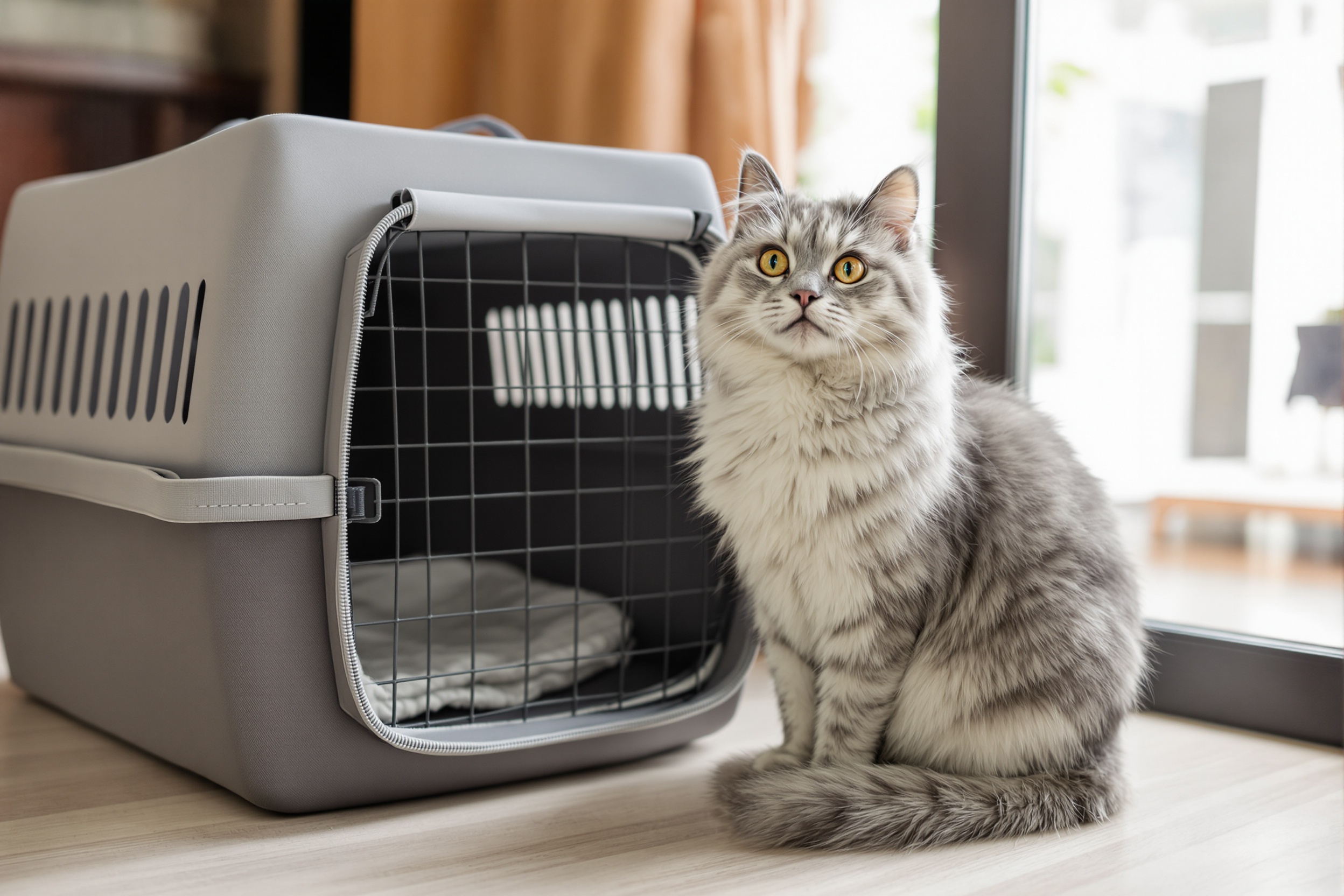
- Carrier (hard-shell, not soft-sided): SGD 50–100
- Food & water bowls (ceramic or stainless, ideally a water fountain): SGD 30–120
- Toys & starter enrichment: SGD 40–80
- Bed or blanket (optional — most cats will choose your laundry instead): SGD 30–80
Realistic setup total: SGD 300–800.
Initial vet & licensing
- Vaccinations (2–3 kitten doses): SGD 200–350 (often already covered by cattery)
- Deworming & flea prevention: SGD 50–100
- Microchipping: SGD 60–100 (mandatory under HDB rules)
- Sterilisation (when old enough): SGD 150–450
- HDB / AVS cat licence: from SGD 15 per year for a sterilised cat
Realistic first-vet-year total: SGD 400–800 if sterilisation and vaccines aren’t already bundled with your kitten’s handover pack.
Year 0 setup total: SGD 700–1,600 (excluding the kitten itself)
These costs are relatively consistent across homes.
Year 1: The Kitten Year
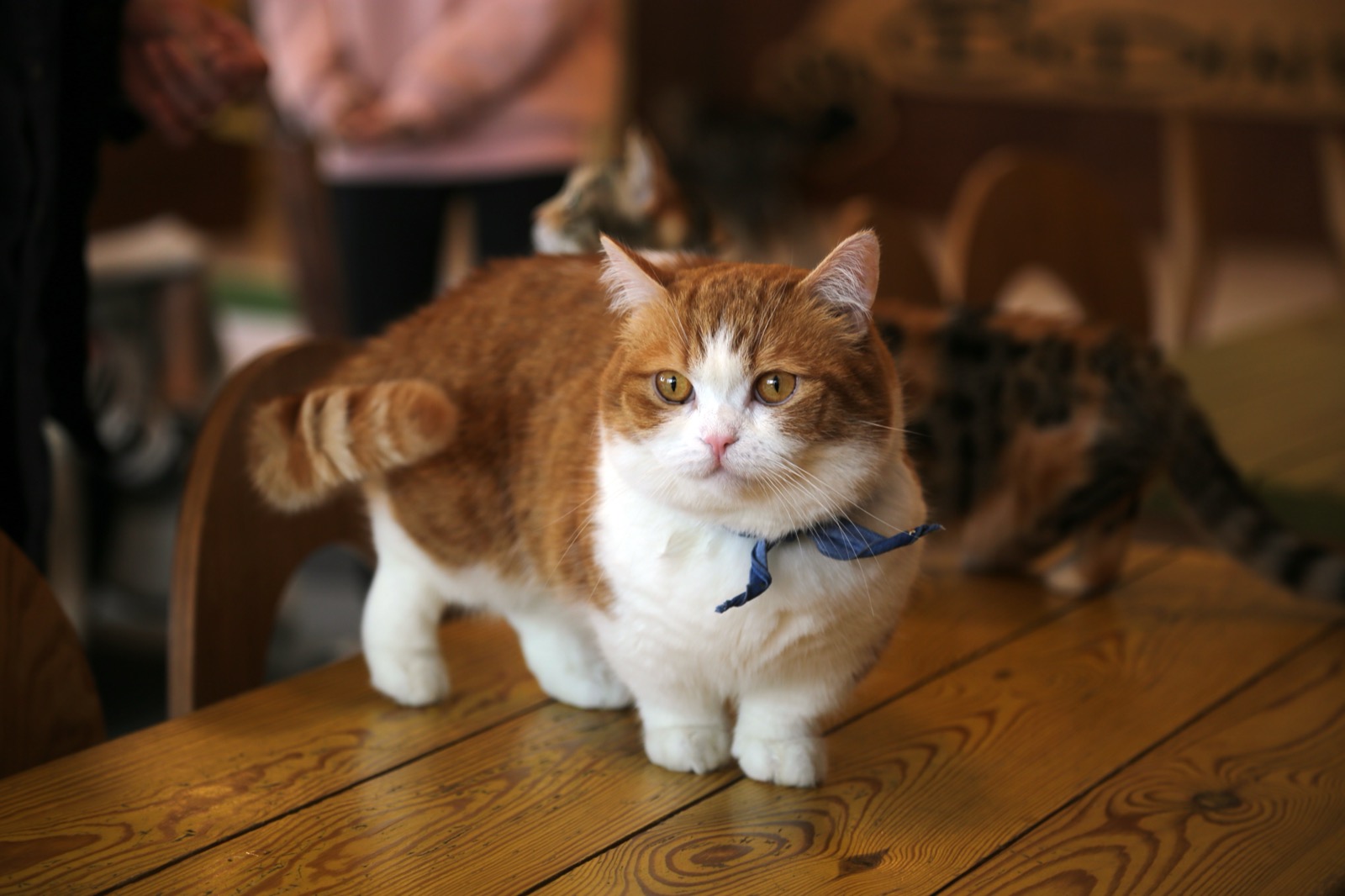
The first year is where most new owners get blindsided. Kittens eat more per kilo than adult cats, break things, need booster shots, and sometimes need a vet visit for something minor but pricey — an eye infection, a tummy upset, a swallowed hair tie. For a detailed picture of medical needs in year one, see our kitten first-year health guide.
Ongoing monthly costs
- Food (balanced dry + wet mix, mid-range brand): SGD 80–160 per month
- Litter (tofu, pine, or clumping clay): SGD 30–60 per month
- Treats & enrichment: SGD 10–30 per month
Monthly average: SGD 120–250, or SGD 1,440–3,000 annually.
Annual costs
- Annual booster + wellness check: SGD 150–300
- Flea, tick & deworm: SGD 150–250
- Replacing a scratched-up cat tree, lost toys, chewed chargers: SGD 100–200
- One unexpected vet visit (nearly every owner has one in year 1): SGD 150–600
Year 1 total: SGD 2,200–4,500
Years 2–10: The Adult Steady State
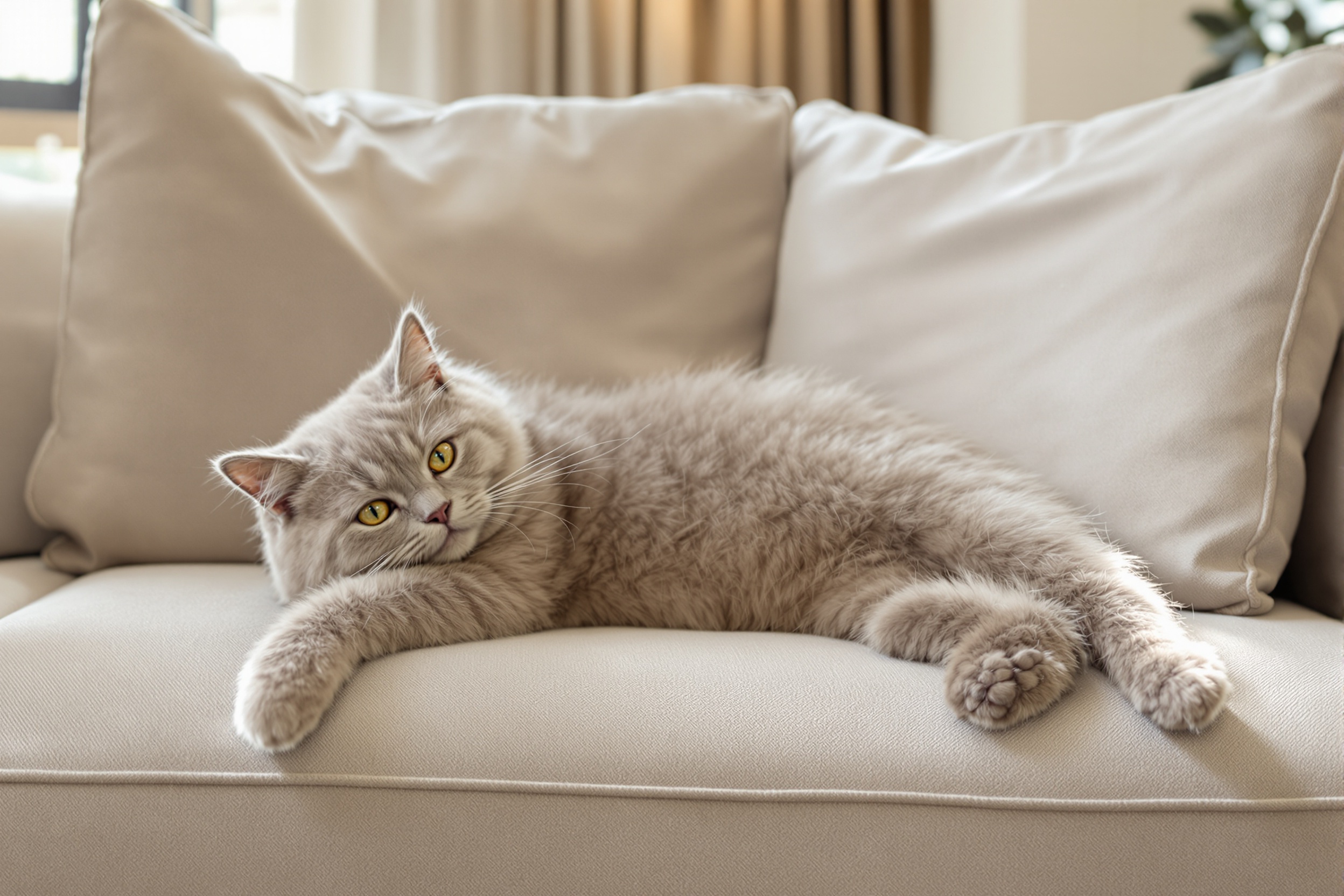
By year 2, most costs stabilise. Your cat’s routine is set, you’ve figured out which food and litter work, and vet visits usually mean a yearly checkup plus the occasional surprise.
What stays roughly the same
Food, litter, treats, flea prevention, annual vet check. Roughly SGD 2,000–3,500 per year baseline.
What you might add
- Pet insurance (increasingly common from year 2 onwards): SGD 360–960 per year depending on plan and breed
- Grooming sessions (especially for long-haired Ragdolls or plush-coated BSHs in Singapore’s humidity): SGD 80–200 per session, every 2–3 months. Our long-haired grooming guide covers what you can do at home to cut costs
- Boarding (if you travel): SGD 35–70 per night. Most owners need 5–15 nights a year
- Dental cleaning (under anaesthesia, roughly every 2–3 years): SGD 400–900
Realistic adult-year total: SGD 2,400–4,500
Cats are generally healthy from age 2 to about 10. This is the “easy” stretch. Enjoy it — and use it to quietly build up a small emergency fund, because year 11 onwards shifts.
Years 11+: The Senior Years
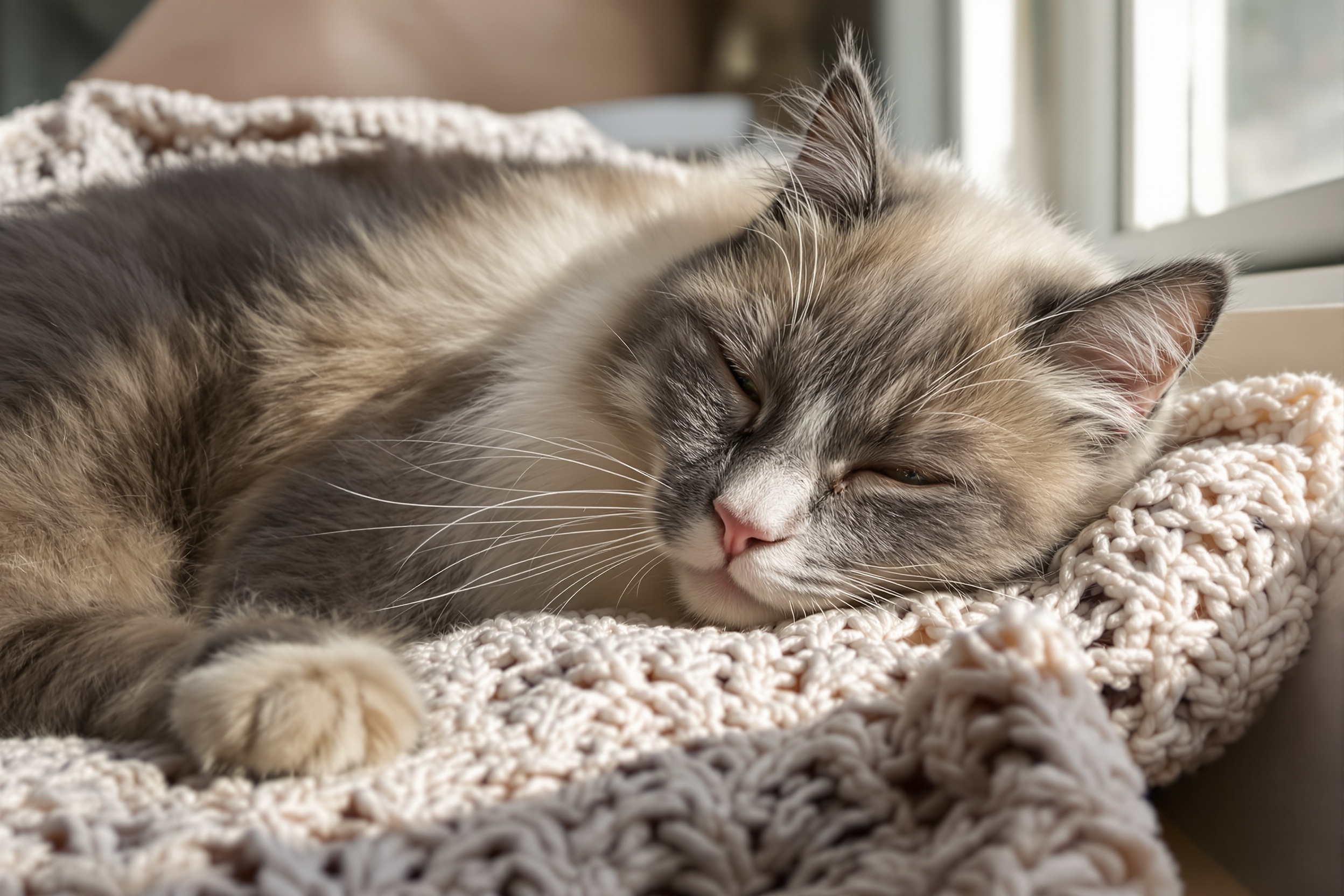
Cats age gracefully, but they do age. From around age 10–12, most cats develop one or more chronic conditions — kidney disease, thyroid issues, arthritis, dental problems. None of these are catastrophic on their own. All of them add monthly or quarterly vet costs.
Typical senior-cat additions
- Twice-yearly senior wellness bloodwork: SGD 150–350 each
- Prescription diet (renal, weight, urinary): SGD 100–180 per month
- Ongoing medication (thyroid, joint support): SGD 30–120 per month
- More frequent dental / scaling: every 1–2 years
Realistic senior-year total: SGD 3,500–7,000
End-of-life veterinary care — palliative medication, diagnostic work, and a gentle goodbye at home or at the clinic — is often the single largest line item in a cat’s life after emergencies. Budget mentally for it early. It’s easier than scrambling later.
The Hidden Costs Most Owners Forget
Emergencies
Over a 15-year life, expect at least one or two real emergencies — a urinary blockage, a blocked gut from a swallowed toy, a sudden collapse. These run SGD 800–3,500+ depending on severity and whether your cat stays overnight at a 24-hour clinic. This is the single strongest argument for pet insurance.
Your furniture
No matter how good your scratching post is, something will get shredded eventually. Budget a mental SGD 200–500 buffer every couple of years for a rug, a sofa arm, or that one curtain your cat has decided is their personal enemy.
HDB & licensing
Under Singapore’s Cat Management Framework, licensing for cats in HDB flats is being phased in, with full enforcement expected by late 2026. Fees are modest — around SGD 15 per year for a sterilised, microchipped cat — but stacking microchipping, sterilisation, and annual licensing is non-negotiable. Budget it in. Always check the latest rates on the AVS / NParks website, as these can change.
Your own travel plans
A cat that’s boarded for 3 weeks during a family trip overseas can cost SGD 700–1,500 in one go. In-home pet sitters are cheaper but still add up. Plan annual travel into your cat budget, not the other way around.
The Lifetime Cost
Doing the maths across a typical 15–17 year lifespan:
- Low end (healthy cat, minimal grooming, no insurance): SGD 35,000–45,000
- Mid-range (moderate insurance, occasional boarding): SGD 50,000–70,000
- High end (long-haired, insurance, senior chronic care): SGD 80,000–110,000+
Figures above exclude the upfront cost of the kitten itself, which varies by breed and source.
For comparison, this is roughly the cost of a new compact car — but spread over 15–17 years, it’s about SGD 3,500–6,000 a year. Equivalent to one modest holiday a year. For most families, very manageable. Just not invisible.
How to Keep Costs Predictable
- Start with a healthy kitten from a reputable source. A well-bred, health-screened kitten from a registered cattery costs more upfront, but drastically lowers your odds of chronic hereditary conditions in years 5–12.
- Buy pet insurance in year 1. Premiums are low while your cat is young and healthy. Wait until they’re 8 and most pre-existing conditions get excluded.
- Sterilise early. Lower cancer risk, lower spraying, lower vet bills across the lifespan — plus lower annual licensing fees.
- Invest in good food and good litter. Saving SGD 30 a month on food often costs SGD 800 later in urinary or dental bills.
- Set up the home right the first time. A cat-friendly home with proper scratching and perching reduces destructive behaviour and stress-related illness.
- Book an annual vet check. Catching kidney or thyroid issues early costs dramatically less than treating them once advanced.
Frequently Asked Questions
Is owning a cat cheaper than owning a dog in Singapore?
Generally yes. Cats typically cost 20–40% less to run annually — smaller food portions, no grooming-salon requirements, simpler boarding, no daily walks (so no walker fees).
Do I really need pet insurance?
Statistically, yes. A meaningful share of cats in Singapore will need at least one emergency vet visit costing SGD 1,000+ in their lifetime. Insurance premiums of SGD 40–70 a month taken out early almost always pay for themselves by year 6–8.
How much should I have saved before getting a cat?
A realistic minimum: SGD 1,500 for setup, initial vet, and a first-year buffer — on top of whatever you pay for the kitten itself. If you can’t comfortably put aside that amount, wait a few months.
Which cat breeds are most economical in Singapore?
Short-haired breeds (British Shorthair, Munchkin, Domestic Shorthair) are cheaper than long-haired breeds because grooming costs are lower. If you’re torn between two popular options, see our British Shorthair vs Ragdoll comparison. For pure economy, adopted Domestic Shorthairs win.
What if I’m a first-time owner and not sure which breed fits my budget?
Start with our first-time cat owner breed guide. It walks through lifestyle, space, and cost matches across the most common breeds in Singapore.
Ready to Start the Journey?
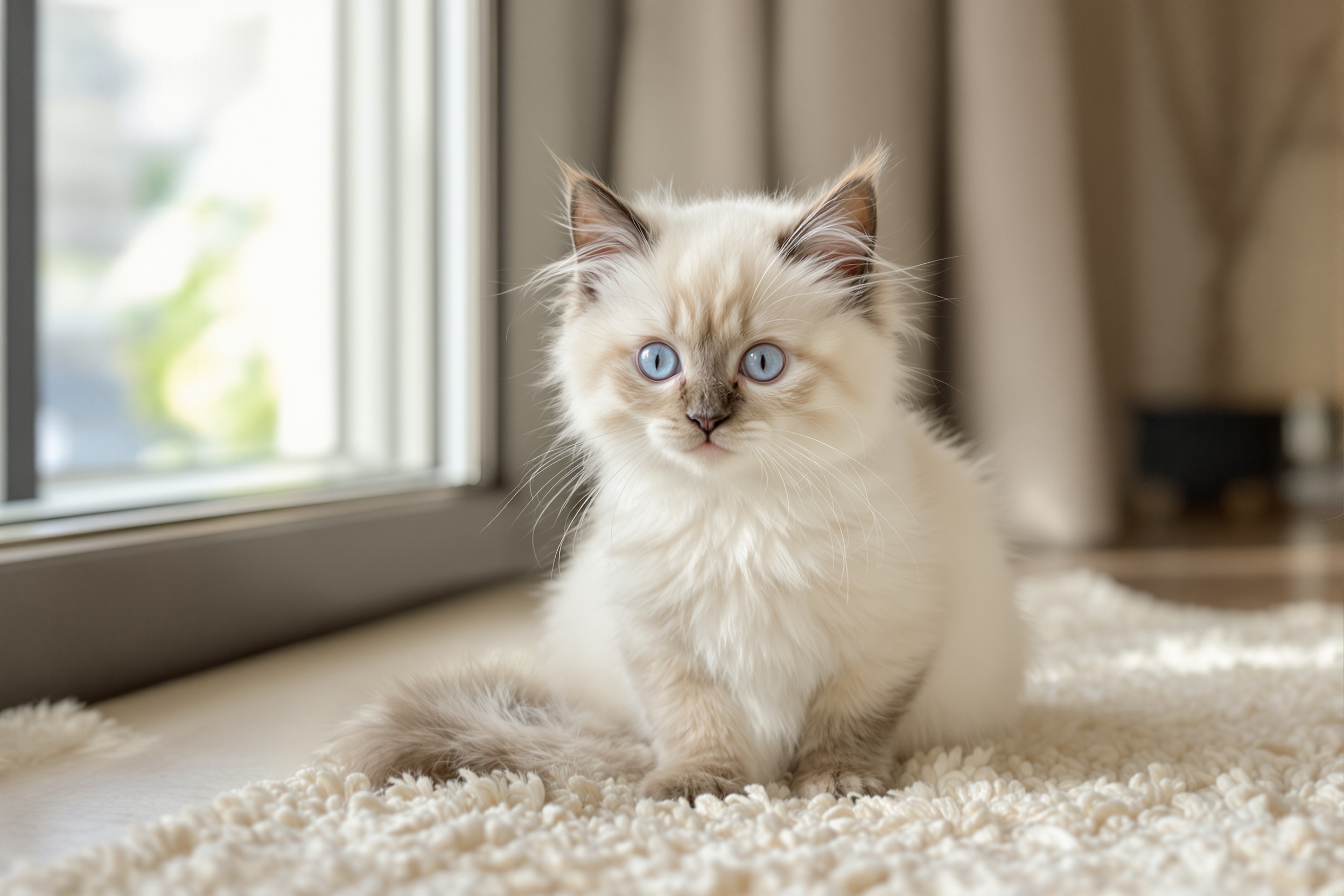
Cat ownership in Singapore is one of the best long-term investments in daily joy you can make. Going in with clear eyes — and a clear budget — is how you set up both you and your cat for 17 great years together.
If you’re ready, we’re here:
Browse our available kittens →
Book a viewing at Ximeow Cattery →
Every kitten that leaves us does so fully vaccinated, microchipped, health-screened, and with a thoughtful handover pack — because the first year of your cat’s life should feel like a beginning, not a scramble.
