




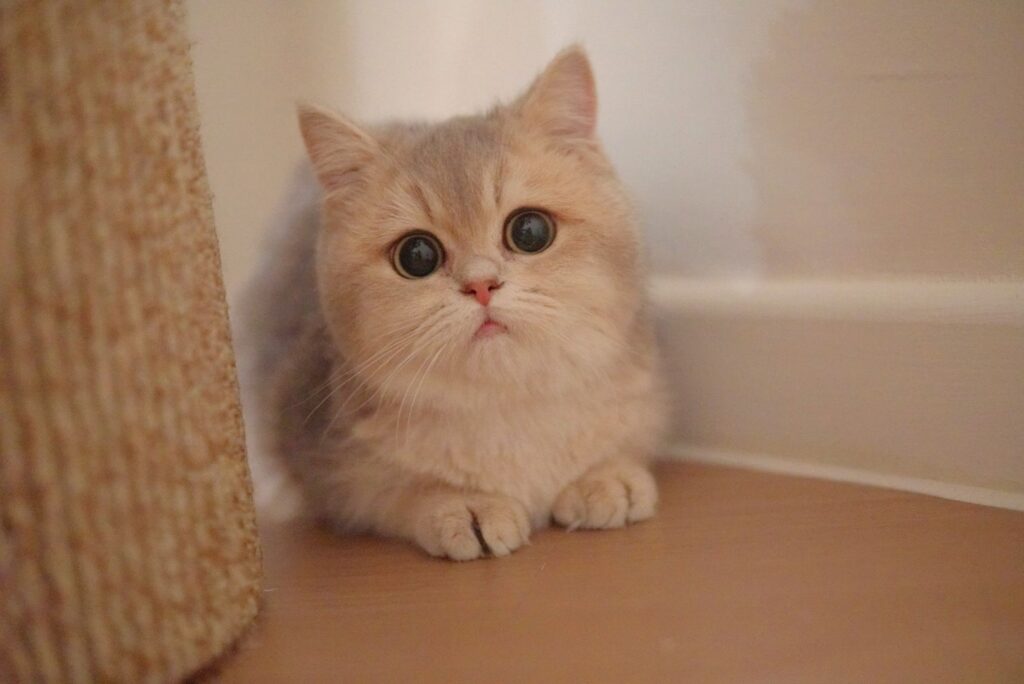
The British Shorthair is the most popular pedigree cat in Singapore — and the most misunderstood. Half the buyers we meet think they’re buying a fluffy lap cat. They aren’t. They’re buying a calm, independent, dignified roommate who happens to look like a teddy bear. That mismatch is why a lot of first-year ownerships go sideways.
This guide is the long version of every conversation we have at viewings. It covers temperament (the real version), Singapore-specific care for our humidity and HDB constraints, grooming the dense double coat, the health checks that actually matter, and the questions to ask any breeder before you commit. It’s written for anyone seriously considering a BSH — whether you buy from us or anyone else.
Why the British Shorthair Suits Singapore Living
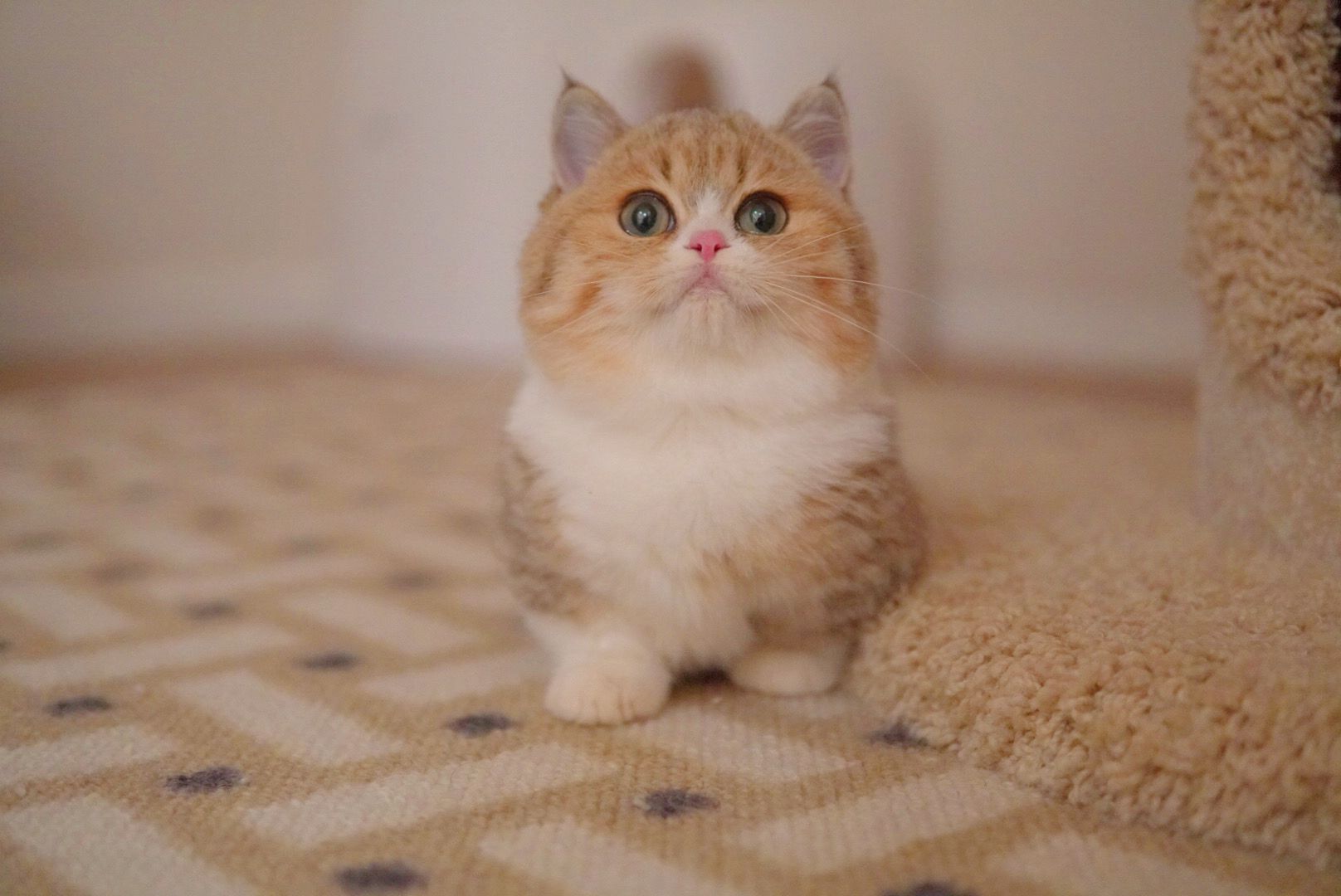
The reason the BSH consistently outsells every other pedigree at our cattery isn’t just the look. It’s that the breed’s temperament happens to match the realities of Singapore living almost perfectly.
They are quiet (HDB and condo neighbours don’t notice them), independent enough to handle a working-hours-empty home, tolerant of warm climates when housed properly, and uninterested in jumping on every counter or curtain. They are not high-energy zoomies cats. They are not vocal demanders. They are the cat equivalent of a low-maintenance houseplant that also loves you back, mostly on its own schedule.
What they aren’t
This is where most new owners get the breed wrong:
- They are not lap cats. Most BSH prefer to sit near you, not on you. They show affection through proximity and slow blinks, not by demanding cuddles. (For a deeper read on cat affection signals, see our guide to how cats say “I love you”.)
- They are not playful kittens forever. The famous “teddy bear” calmness sets in around 18-24 months. Before that, expect a normal energetic kitten phase.
- They are not low-grooming. The dense double coat sheds more than people expect. We cover this below.
- They are not “just like a normal cat.” The breed has specific health considerations — particularly cardiac and dental — that you need to budget for.
If any of those four mismatches are dealbreakers, the BSH might not be your breed. Better to know now than at month four.
Temperament: The Real Personality
BSH temperament gets oversimplified online. Here’s what we actually see across hundreds of kittens raised at our cattery and follow-ups with owners over the years.
Calm, but not boring
Adult BSH spend most of the day in a relaxed loaf or a slow patrol of the house. They engage with toys in short, intense bursts (5-10 minutes) rather than long play sessions. They are observant — they notice you came home, they noticed you put your bag down, they noticed the new chair — but they don’t perform the noticing.
Affectionate on their terms
They will follow you from room to room. They will sit just out of arm’s reach and hold eye contact. They will sleep at the foot of the bed, not on the pillow. The classic BSH owner experience is the cat being everywhere you are without ever asking to be picked up.
If you want a cat that wants to be carried like a baby, look at Ragdolls instead. (Our British Shorthair vs Ragdoll comparison goes into this in detail.)
Independent — but not aloof
BSH handle alone time well. Most adapt to working-hours empty homes (8-10 hours) without separation distress, especially when they have an enriched environment and ideally a second cat for company. This is unusual among pedigree breeds.
Note the “ideally a second cat” caveat. BSH are more independent than most breeds, but they are still social animals. If you live alone, work long hours, and travel often, please get them in pairs. They tolerate solo life. They don’t thrive in it. Read more on cat separation anxiety if this concerns you.
Quiet by nature
BSH are one of the least vocal pedigree breeds. Most “talk” only at meal times or when something genuinely surprises them. This is a real plus for HDB and condo dwellers — your neighbours will not know you have a cat.
Singapore-Specific Care: Climate, HDB, and Condo Living
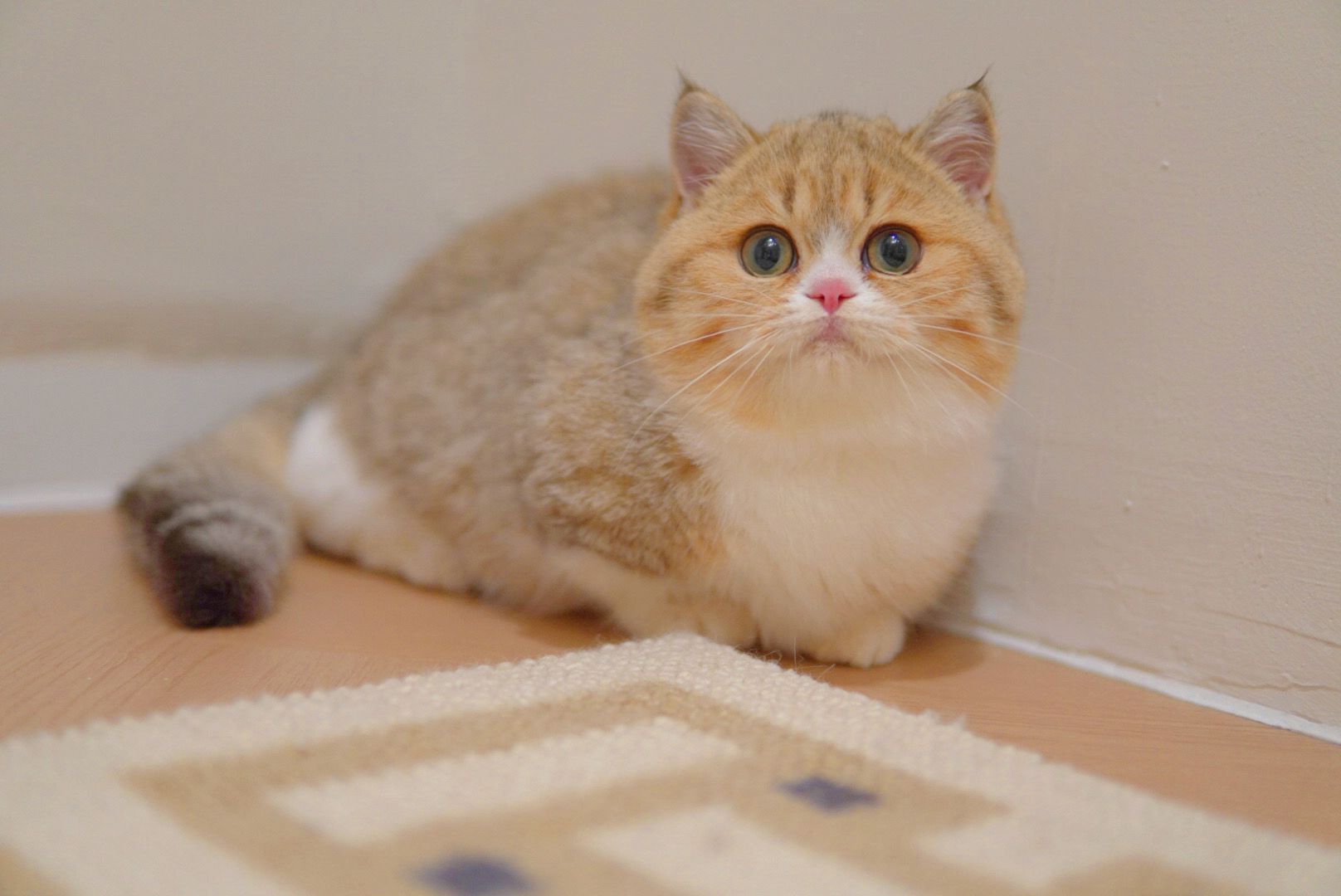
British Shorthairs evolved in cold, damp Britain. Their dense double coat is built for low temperatures. Singapore is a constant 28-32°C with 70-90% humidity. That mismatch is manageable but it’s not free — you have to set the environment up for them.
Air-conditioning and ventilation
Most BSH owners in Singapore run aircon for at least 8-12 hours a day during the hot months. Aim for 24-26°C in the room your cat spends most time in. If you’re a “no aircon during the day” household, the BSH is the wrong breed for you — they will pant, become lethargic, lose appetite, and develop chronic skin issues from heat-related stress.
If you can’t run constant aircon, prioritise:
- Cross-ventilation — open windows on opposite walls when possible (with proper window mesh; see our cat-friendly home guide).
- Tile floors over carpet — cats love sprawling on cold tiles in the afternoon.
- Cool mats or marble slabs — give them a cool spot that doesn’t depend on aircon.
- Hydration stations — at least 2 water sources, ideally one fountain. Cats drink more when water moves.
HDB licensing and the new framework
Under Singapore’s Cat Management Framework, full HDB cat licensing enforcement is rolling out through late 2026. Every cat must be microchipped, sterilised when old enough, and licensed annually (about SGD 15/year for a sterilised cat). Always verify the latest rates and rules on the AVS / NParks website before bringing a cat home.
Apartment-friendliness
BSH thrive in apartments. They don’t need outdoor access. They don’t climb curtains. They rarely jump above shoulder height once adult. A 3-room HDB flat is more than enough space for one or two BSH — provided you give them vertical territory (a cat tree, some shelving, a window perch) and a designated quiet spot.
Grooming: The Dense Coat People Underestimate
The BSH coat looks short. It is short. But it’s dense — there’s a thick undercoat under the visible top coat, and that undercoat sheds. Singapore’s air-conditioned indoor / hot outdoor cycle accelerates the shedding cycle.
Brushing schedule
- Adults: 2-3 times a week with a stainless steel comb or rubber curry brush. 5 minutes per session.
- During shedding peaks (twice a year, sometimes more in our climate): daily brushing for 10-14 days.
- Kittens: Start gentle daily brushing from 12 weeks. Even when not strictly needed, this builds tolerance. (Our BSH training guide covers handling habits like this.)
Bathing
BSH rarely need baths. The exception is if they get into something genuinely sticky or if a vet recommends a medicated bath. If you do bathe one, dry them thoroughly — a damp dense coat takes hours to fully dry and can cause skin issues.
Nail trimming, ear and dental care
- Nails: Trim every 3-4 weeks. Provide scratching posts in 2-3 locations.
- Ears: Check weekly. Healthy BSH ears are clean and pale pink. Dark waxy buildup needs a vet.
- Teeth: Brush twice a week if you can train them to tolerate it. BSH are prone to dental disease — see the next section.
Health Considerations Every BSH Owner Should Plan For
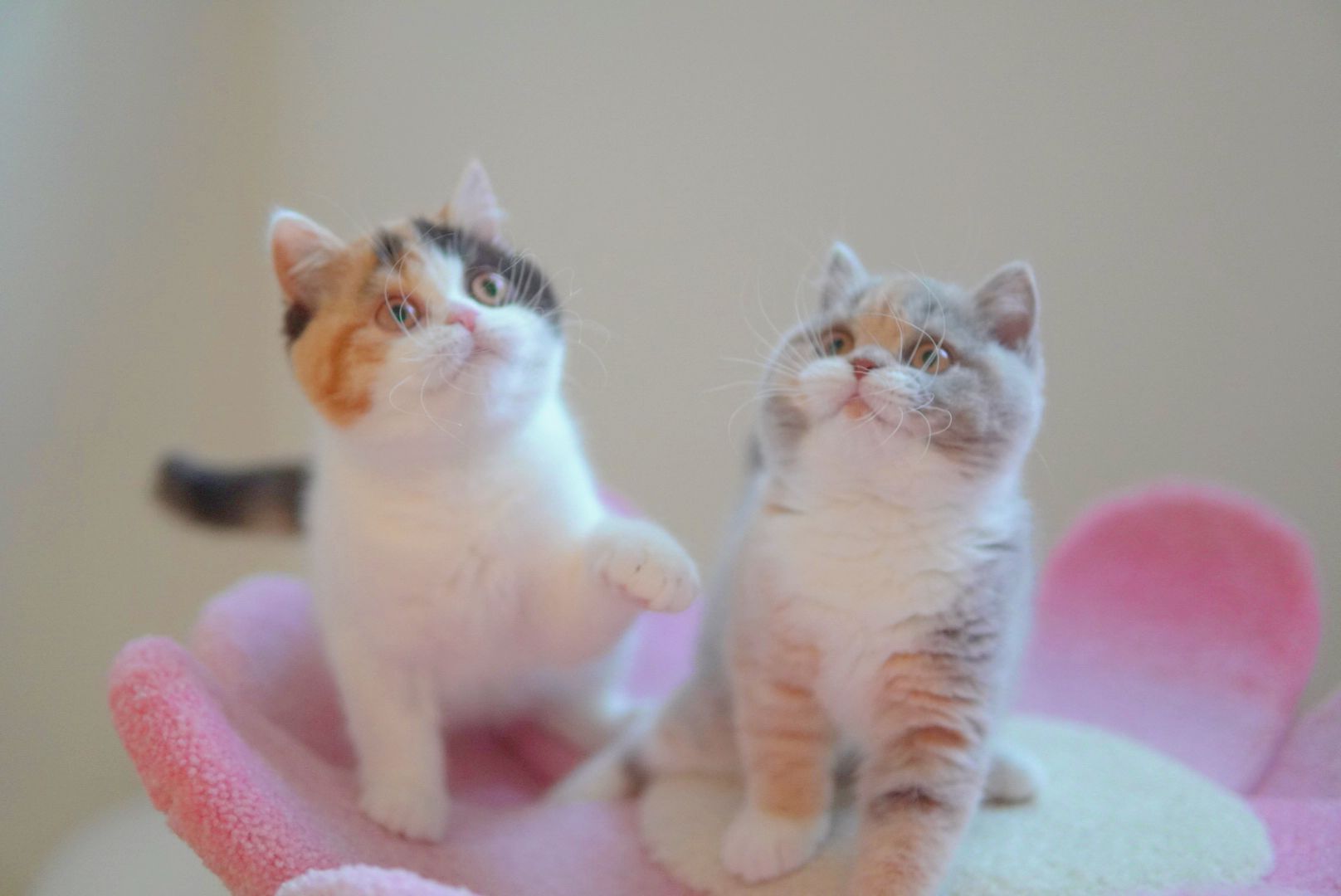
BSH are generally robust. Average lifespan is 12-17 years. But there are three breed-specific issues every owner should be aware of and budget for.
Hypertrophic cardiomyopathy (HCM)
HCM is a heritable heart condition the breed is predisposed to. Reputable breeders screen parent cats with cardiac ultrasound and DNA-test for known mutations. Always ask any breeder you’re considering whether their breeding cats have been HCM-screened and ask to see results. If they can’t or won’t show evidence, walk away.
Adult BSH should also have cardiac auscultation at every annual vet visit, and a baseline cardiac ultrasound around age 5-7 if there’s any family history.
Dental disease
BSH are prone to gingivitis and periodontal disease. The brachycephalic-leaning skull shape contributes. Plan for:
- Professional dental cleaning under anaesthesia every 1-2 years from age 3 onwards.
- Daily or near-daily home tooth brushing if your cat tolerates it.
- Watching for bad breath, dropping food, or pawing at the mouth — these are not normal aging.
Weight management
BSH are slow metabolisers and naturally low-energy. They gain weight easily. An overweight BSH is a setup for diabetes, joint problems, and reduced lifespan. Free-feeding kibble is the most common cause. Use measured meals (twice daily for adults), avoid carb-heavy treats, and weigh your cat monthly. A healthy adult BSH is typically 4-7 kg depending on frame — your vet will tell you the right target for yours.
The first vet year
For a comprehensive walk-through of vaccinations, deworming, sterilisation, and milestone checks during the first 12 months, read our kitten first-year health guide.
Daily Life: Food, Litter, Enrichment
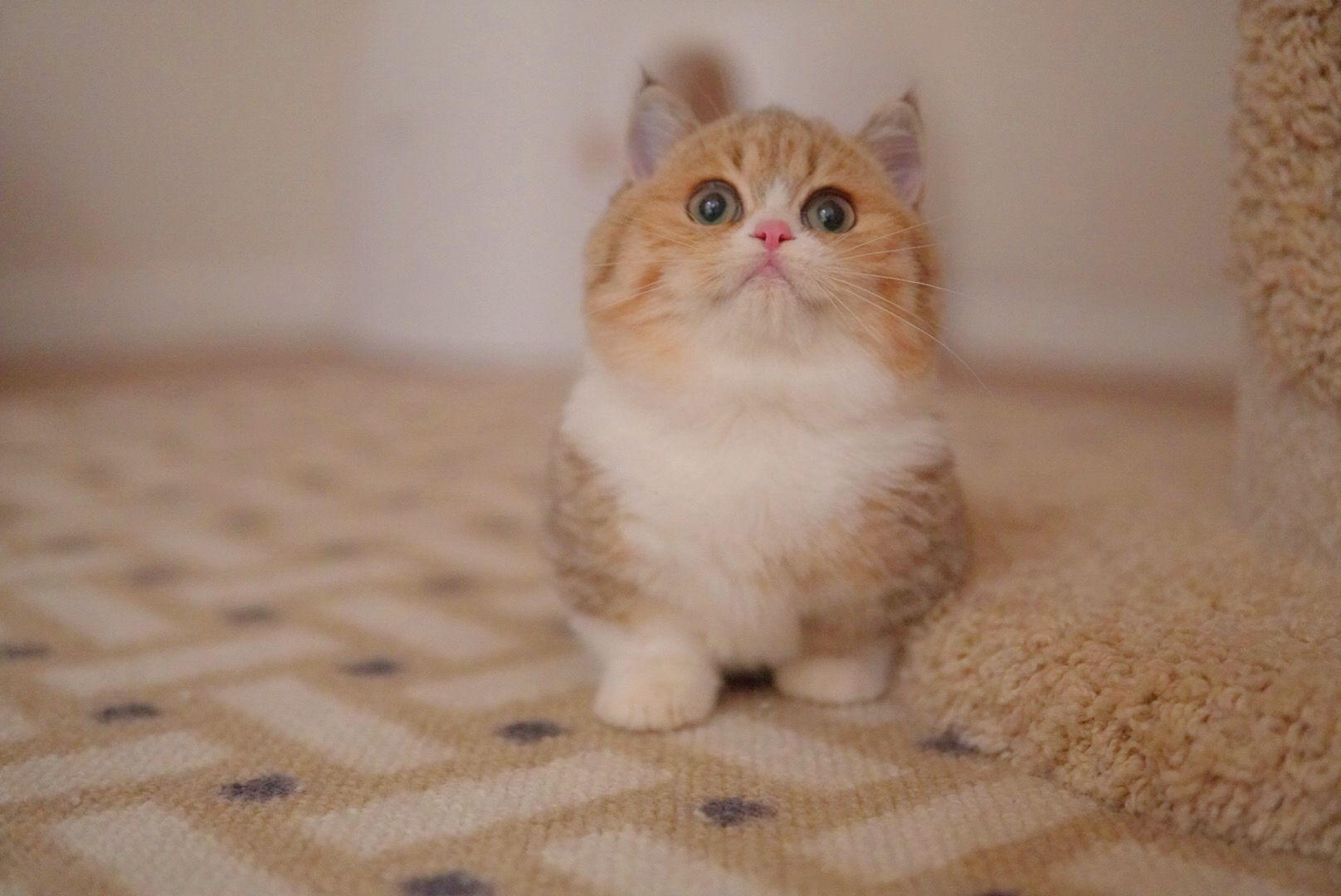
Food
BSH thrive on a balanced high-protein diet with measured portions. Our recommendation framework:
- 70-80% high-quality dry food — look for first ingredient as a named meat (chicken, salmon, turkey), low carbohydrate (under 20%), and breed-appropriate kibble shape (BSH brachy-leaning skulls need flatter pieces, not round balls they can’t pick up).
- 20-30% wet food — increases moisture intake (BSH are notoriously poor drinkers), helps weight control, and supports urinary health.
- Measured meals, not free-feeding — twice daily for adults. Use the food bag’s guideline as a ceiling, not a target, and adjust based on body condition.
- Treats < 10% of daily calories.
Litter and litter boxes
One litter box per cat plus one extra is the standard rule. BSH are particular about cleanliness — scoop daily, full change weekly. Tofu litter, pine pellets, and clumping clay all work; let the cat tell you what they prefer.
Enrichment
BSH don’t need a wall of cat shelves. They do need:
- One tall cat tree or scratching tower (sisal, not carpet — sisal lasts longer).
- Two or three scratching posts in different rooms.
- A window perch with a view (cats find moving leaves and birds endlessly engaging).
- Two or three rotation toys — BSH lose interest in always-available toys but re-engage when toys “appear” after a week away.
- 5-10 minutes of interactive play (wand toy) per day, especially in the evening.
That’s it. They are not the breed that needs a cat agility course.
Lifetime Cost Framing
British Shorthairs are not the most expensive cats to maintain, but they’re not the cheapest either. Quality food, consistent vet care, dental cleanings, and pet insurance add up over a 12-17 year lifespan.
For a year-by-year breakdown of what cat ownership actually costs in Singapore — from the one-time setup through senior care — read our true cost of owning a cat in Singapore guide. The numbers there are based on the most common ownership patterns we see, in Singapore dollars, with no upselling.
The honest summary: budget realistically before you bring a kitten home, not after. The cats that end up rehomed are almost always the ones whose owners didn’t plan for years 2 onwards.
How to Choose a British Shorthair Breeder
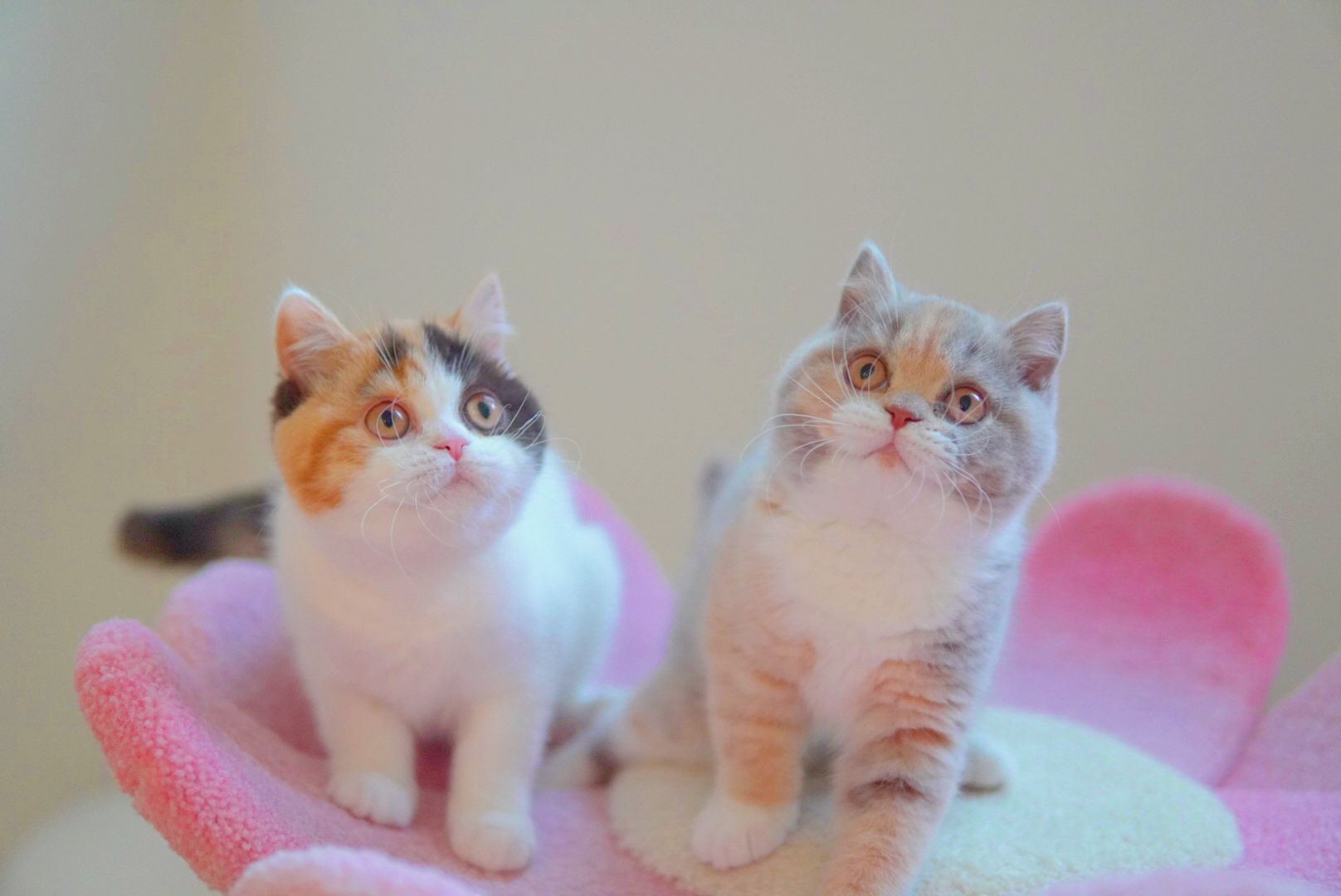
This is the most important section in this entire guide. The breeder you choose has more long-term impact on your cat’s health, temperament, and your years-2-to-15 vet bills than any other decision you’ll make.
Questions to ask any breeder
- Are the parent cats HCM-screened? Ask for evidence — cardiac scan reports or DNA-test results. If they hesitate, leave.
- Can I visit the cattery? Reputable breeders welcome viewings. If you can only see the kitten at a “neutral location” or via courier, that is a red flag.
- Can I meet the mother cat? Same point. The mum’s temperament and condition tell you a lot about how the kittens were raised.
- How old are kittens when they go home? Minimum 12 weeks for a BSH. Earlier than that means the kitten missed crucial socialisation and weaning.
- What vaccinations and health checks does the kitten go home with? A registered cattery’s handover includes complete vaccination records, deworming, microchip details, and a vet certificate of health.
- Is there a written health guarantee? Reputable breeders stand behind their kittens. Ask what happens if a serious congenital condition is diagnosed in the first year.
- Do you take the cat back if I can’t keep it? Real breeders will. They are committed to the cats they bred, for life.
Red flags to walk away from
- “Backyard breeder” pricing dramatically below market with no documentation.
- Multiple breeds available in large numbers — the hallmark of a kitten mill.
- Reluctance to share parent cats’ details, photos, or health screening results.
- Pressure to commit immediately or pay a deposit before any visit.
- Kittens advertised as ready-to-go-home before 10 weeks old.
- No written contract or health guarantee.
A good breeder is choosing you as much as you’re choosing them. Expect questions about your home, your work hours, your other pets, your experience. That scrutiny is a good sign.
Common British Shorthair Myths
The BSH is one of the most popular pedigree breeds in the world, which means there’s a lot of confident misinformation about them. We covered the main ones in detail in our British Shorthair myths article, but the headline myths are worth flagging here too:
- “BSH are always blue/grey.” The “British Blue” is the iconic colour, but BSH come in dozens of colours and patterns including golden, silver, lilac, cream, calico, tabby, and more.
- “BSH are hypoallergenic.” No cat breed is fully hypoallergenic. BSH shed normally and produce normal levels of Fel d 1, the main cat allergen.
- “BSH don’t need much grooming because the coat is short.” Already addressed above — the dense undercoat sheds significantly and needs regular brushing.
- “BSH are dog-like.” They are companionable but not dog-like. They won’t fetch reliably, won’t walk on a leash easily, and won’t greet you at the door with a wagging tail.
- “All BSH look like teddy bears.” The “teddy bear face” is most pronounced in well-bred adults around age 2+. Kittens look like normal kittens; the round chubby face develops with age.
Frequently Asked Questions
Are British Shorthairs good first-time-owner cats?
Yes — they are one of the easiest pedigree breeds for first-time owners because of their calm temperament, tolerance for alone time, and low vocal demands. The two areas where first-timers struggle are climate setup (running aircon enough) and grooming the dense undercoat. Both are easily managed with the right setup. For more breed-by-breed comparisons, see our first-time cat owner breed guide.
How long do British Shorthairs live in Singapore?
Average lifespan is 12-17 years for a healthy, well-cared-for BSH. Indoor-only living, regular vet care, weight management, and dental hygiene are the four levers that make the biggest difference between an early-teens death and a late-teens one.
Can British Shorthairs be left alone during work hours?
Yes, generally better than most pedigree breeds. They tolerate 8-10 hour work days well, especially with an enriched environment. We strongly recommend keeping them in pairs if you regularly travel or work very long hours.
Are British Shorthairs safe in HDB flats?
Yes. They are quiet, don’t climb curtains or jump on counters obsessively, and don’t need outdoor access. Combined with proper window mesh and a few scratching posts, an HDB flat is a perfect environment for a BSH.
Do British Shorthairs get along with dogs and other cats?
Most BSH integrate well with other animals when introduced gradually. Their calm temperament works in their favour. Cat-cat introductions are usually smoother than cat-dog, but both work with patience. See our tips on settling a new kitten for the introduction protocol.
How much should I budget for a British Shorthair monthly?
Across food, litter, treats, and routine vet care, a healthy adult BSH costs around SGD 200-350 per month in operating costs, with annual additional costs for vaccinations, dental care, and the occasional vet visit. The full lifetime cost framework is in our cost guide.
What’s the difference between a British Shorthair and a British Longhair?
The British Longhair is the semi-long-haired version of the BSH — same body type, same temperament, same eye colours, but with a longer fluffier coat that requires more grooming. If you love the BSH personality but want a fluffier look, the BLH is worth a serious look.
Ready to Meet a British Shorthair?
The British Shorthair is one of the most rewarding pedigree breeds to live with — provided you go in knowing what they actually are: a calm, dignified, independent companion who shows love through proximity rather than performance. If that matches the cat you’re looking for, you’ll be very happy together for the next 15 years.
If you’d like to see our British Shorthair kittens in person, learn about our breeding lines, or just ask the questions this guide raised, we’d love to hear from you:
Browse our available British Shorthair kittens →
Book a viewing at Ximeow Cattery →
Every kitten that leaves us is fully vaccinated, microchipped, health-screened, and goes home with a thoughtful handover pack — because the first year of your cat’s life should feel like a beginning, not a scramble.
