




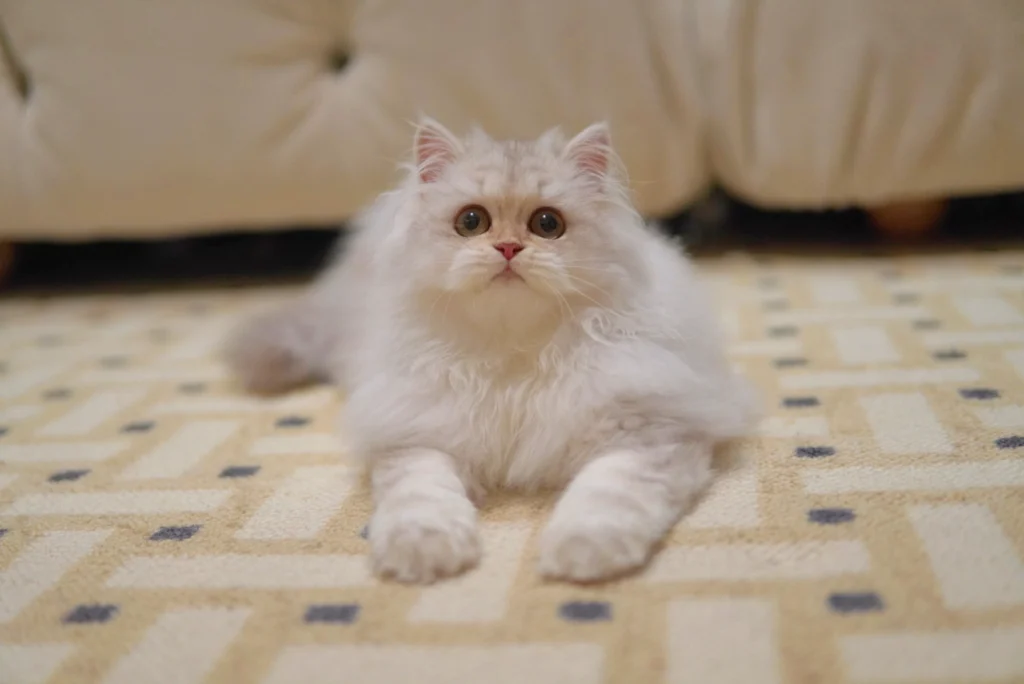
Quick answer: The British Longhair is essentially a British Shorthair with long hair. The long coat came from a Persian outcross used to rebuild the British Shorthair after the two World Wars nearly wiped it out, and the long-hair gene stayed in the breed. It shares the British Shorthair’s body and temperament, with a semi-long coat inherited from those Persian ancestors.
People assume the British Longhair is just a British Shorthair that happens to have long fur. It’s a fair guess — they share the same round face, the same stocky build, the same easy temperament. But the long coat isn’t an accident or a random mutation that popped up one day. It was deliberately bred in, during one of the lowest points in the British Shorthair’s history, and the cat you see today is the result. Here’s the actual story.
It Starts With the British Shorthair
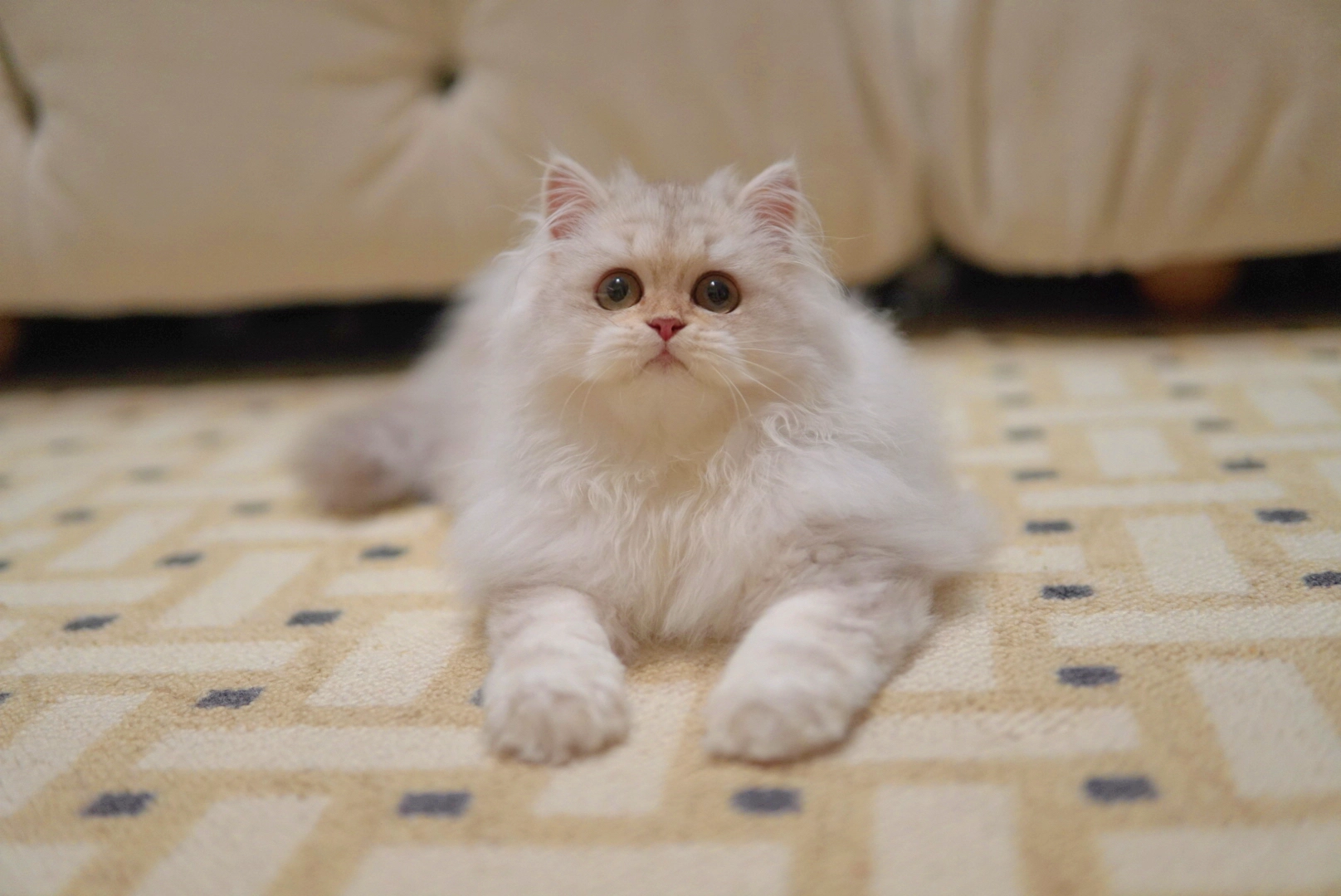
To understand the British Longhair, you have to start with its parent breed. The British Shorthair is one of the oldest cat breeds in the West, with a lineage often traced back to the domestic cats the Romans brought to Britain nearly two thousand years ago. For centuries they were simply Britain’s working street and farm cats — sturdy, weatherproof, good at keeping rodents down.
In the late 1800s, a breeder named Harrison Weir took these common British cats and began standardising them into a recognised pedigree. The British Shorthair was one of the stars of the very first cat shows in Victorian England. For a while, it was one of the most popular pedigree cats in the country.
The Wars Nearly Wiped the Breed Out
Here’s the part most people don’t know. The two World Wars were catastrophic for pedigree cat breeding in Britain. Resources were scarce, breeding programmes collapsed, and by the end of the Second World War the British Shorthair population had dropped to dangerously low numbers. The breed was genuinely at risk of disappearing.
To save it, breeders did the only thing they could: they outcrossed the surviving British Shorthairs to other breeds to rebuild the numbers and keep the bloodline alive. One of the breeds they reached for was the Persian — itself a long-haired cat with a similar cobby, rounded body type.
Enter the Persian — and the Long Coat
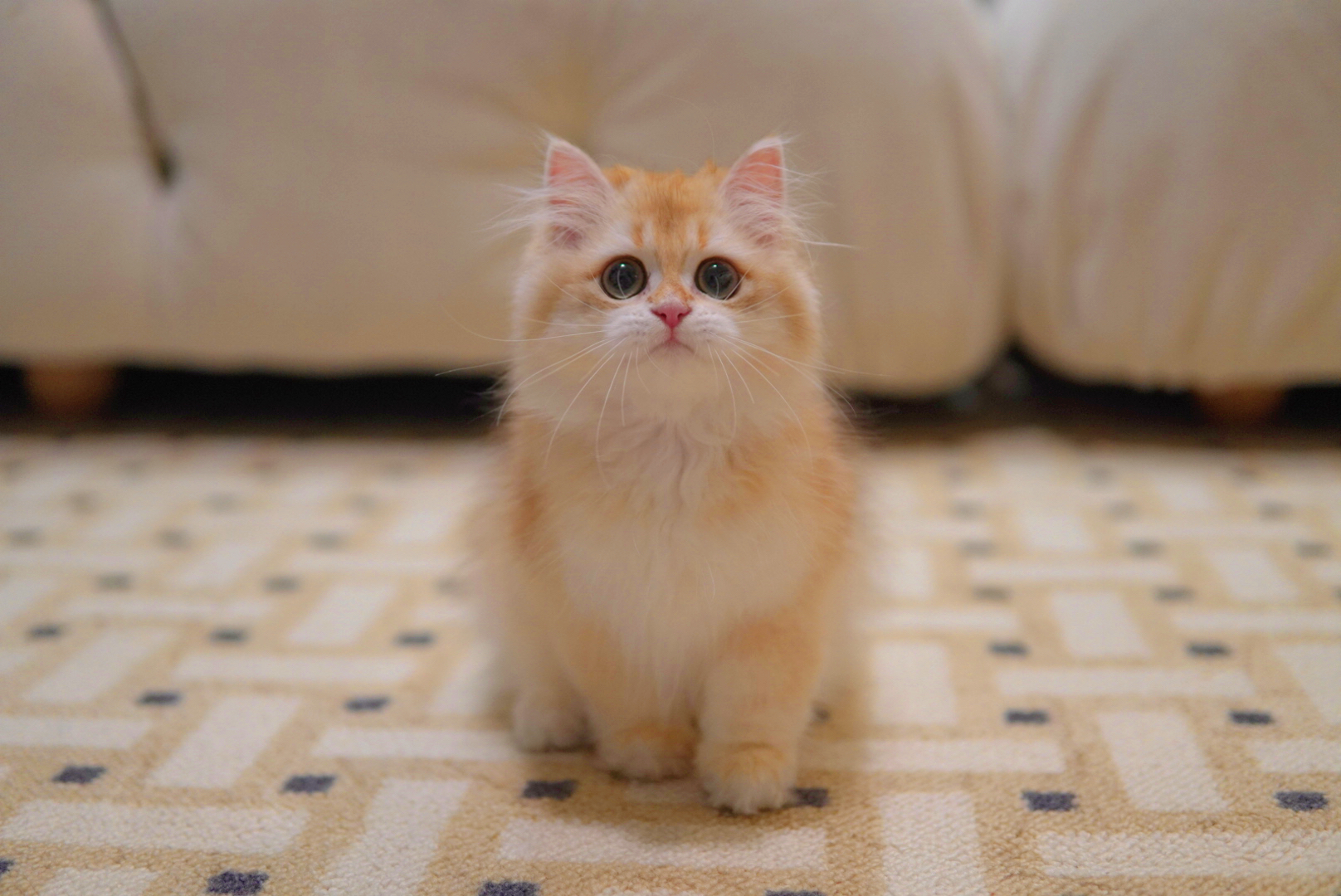
That Persian outcross is the single most important event in the British Longhair’s history. Persians carry the recessive gene for long hair. When they were bred into the British Shorthair lines to rebuild the breed, that long-hair gene came along with them and quietly entered the gene pool.
The breeders’ goal was to restore the short-haired British cat, so for decades the long-haired kittens that occasionally appeared in litters were treated as a by-product — lovely, but not the target. They carried the body, head shape, and temperament of the British Shorthair, just wrapped in a longer, denser coat inherited from their Persian ancestors.
This is why a British Longhair looks the way it does. It isn’t a Persian — it doesn’t have the extreme flat face or the high-maintenance, floor-length coat. And it isn’t quite a British Shorthair either. It’s the British Shorthair’s body and personality, with a semi-long coat that’s the lasting fingerprint of that post-war Persian rescue.
From “By-Product” to Recognised Breed
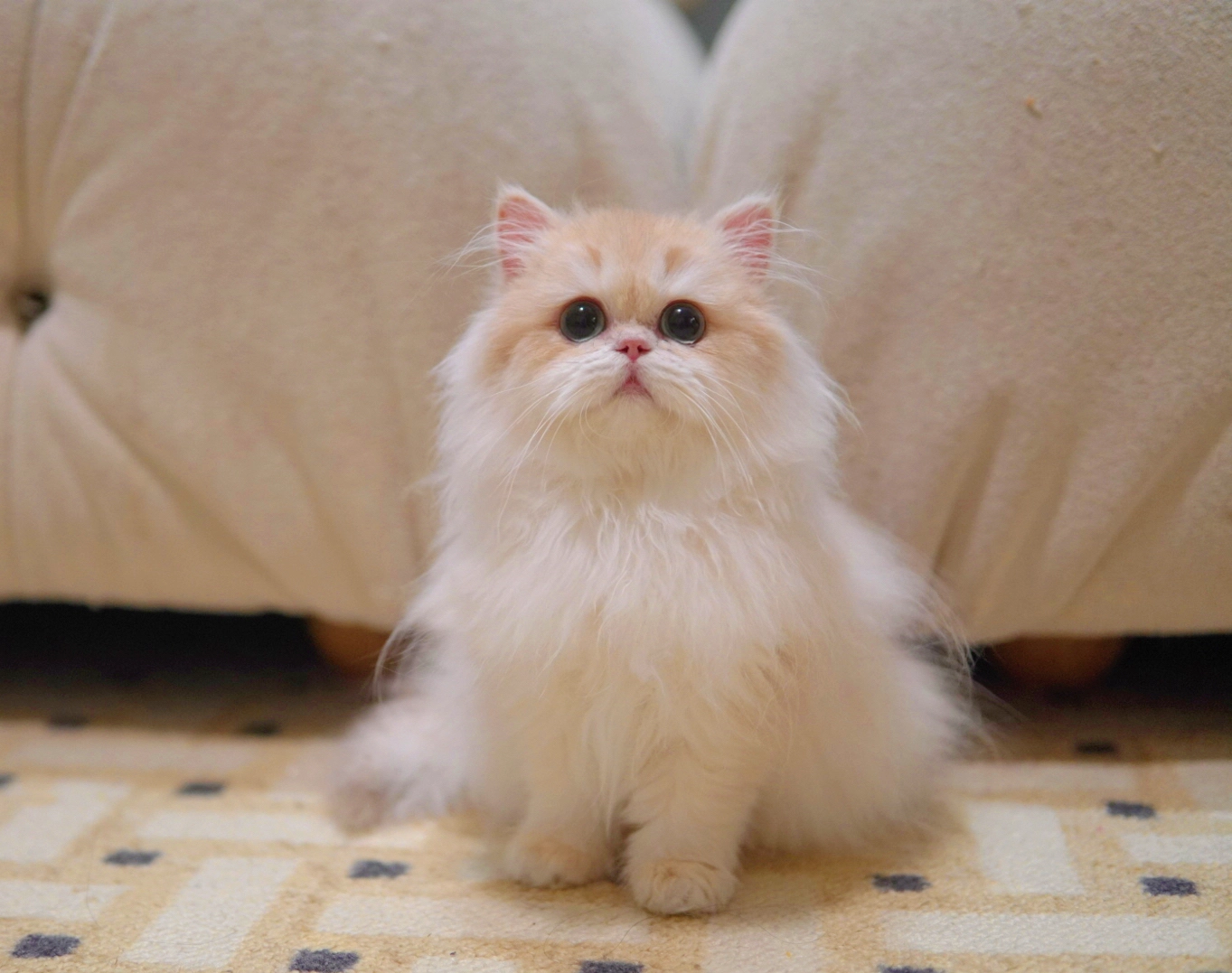
For a long time, those long-haired kittens didn’t have a category of their own. Depending on the registry and the era, they were registered as variants, or folded in with Shorthairs, or simply not given full status. It took decades of advocacy from breeders who valued the long-haired version for its own sake.
Eventually the major registries came around. The British Longhair is now recognised as a breed in its own right by registries including TICA (The International Cat Association), with growing recognition elsewhere. The cat that started as a side-effect of saving another breed finally got its own name.
Why This History Matters When You’re Choosing One
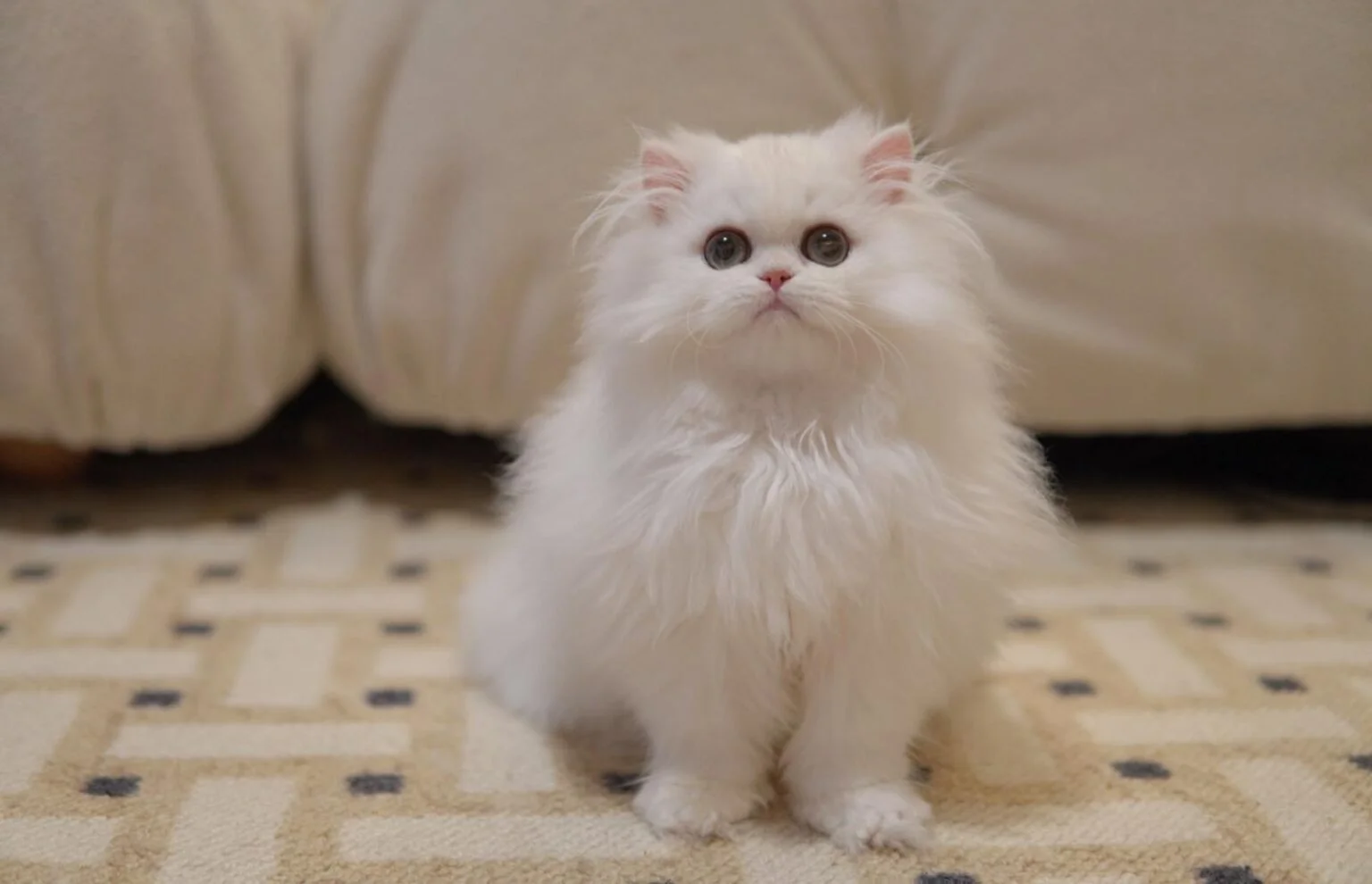
This isn’t just trivia. Knowing where the British Longhair came from tells you exactly what you’re getting:
- The temperament is pure British Shorthair. Calm, independent, dignified, affectionate on its own terms. The Persian contributed coat, not character. If you’ve read our complete British Shorthair guide, that personality is your British Longhair too.
- The coat needs more care than a Shorthair’s, but far less than a Persian’s. It’s semi-long and dense, so it needs brushing a few times a week to prevent matting — but it doesn’t demand the daily, high-effort grooming of a true Persian coat.
- The Persian link is also why health screening matters. Responsible British Longhair breeders screen for the same conditions associated with both parent breeds — particularly HCM (a heart condition) and PKD (a kidney condition that traces back to Persian lines). Always ask a breeder what they test for.
- Two coats, one cat. Because they share everything but coat length, British Shorthairs and British Longhairs make natural companions for each other. Many of our owners fall for the personality first and then choose their preferred look.
The Short Version
The British Longhair exists because the British Shorthair was nearly lost, was rebuilt with Persian blood to save it, and the long-hair gene that came with that rescue never left. It’s a British cat through and through — same body, same temperament, same heritage going back to Roman Britain — just carrying a soft, plush reminder of the Persians that helped bring the breed back from the brink. That mix is exactly what makes it special.
Frequently Asked Questions
Is the British Longhair just a long-haired British Shorthair?
Essentially, yes — they’re the same breed in body and temperament, differing only in coat length. The long coat came from a Persian outcross used to rebuild the British Shorthair after the World Wars, and the long-hair gene stayed in the gene pool.
Is a British Longhair the same as a Persian?
No. Persians are part of its ancestry, but the British Longhair has the British Shorthair’s rounder, less extreme face and a more manageable coat. It does not have the flat-faced features or the very high grooming demands of a modern Persian.
When did the British Longhair become a recognised breed?
The long-haired version existed for decades as a variant before being recognised in its own right. It is now accepted as a distinct breed by registries including TICA, with recognition continuing to grow internationally.
Does the British Longhair have the same personality as a British Shorthair?
Yes. The Persian outcross contributed the coat, not the character. British Longhairs share the calm, independent, affectionate-on-their-own-terms temperament that British Shorthairs are known for.
Does a British Longhair need a lot of grooming?
More than a British Shorthair, less than a Persian. The semi-long, dense coat needs brushing a few times a week to prevent matting, but it doesn’t require the daily, intensive grooming of a true Persian coat.
Meet a British Longhair
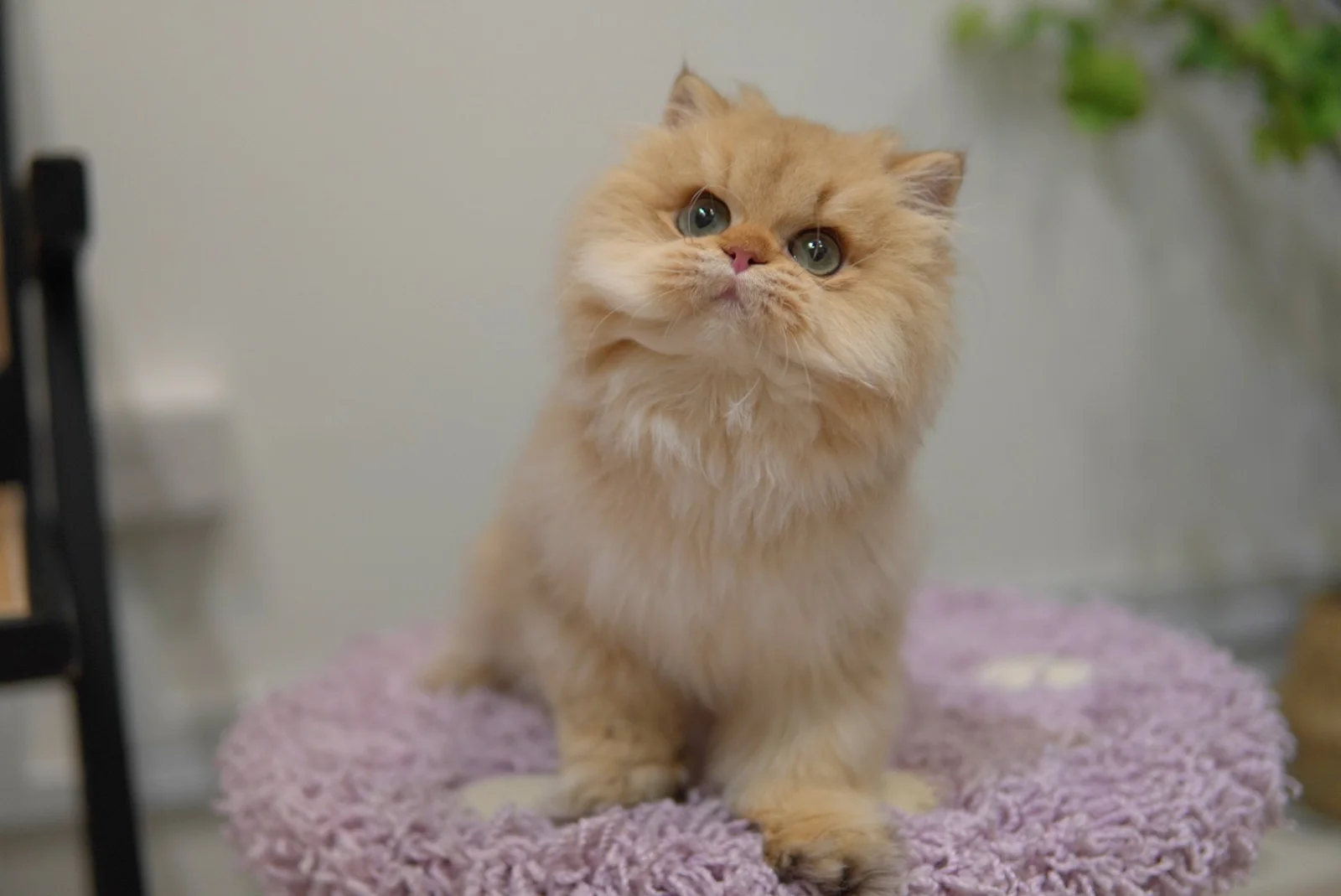
If the history sold you on the personality and the coat, the best way to understand a British Longhair is to meet one. We raise ours in a home environment with full health screening, so you know exactly what’s behind that plush coat. Take a look at our available British Longhair kittens, or explore the British Shorthair if you prefer the same character in a shorter coat.
