




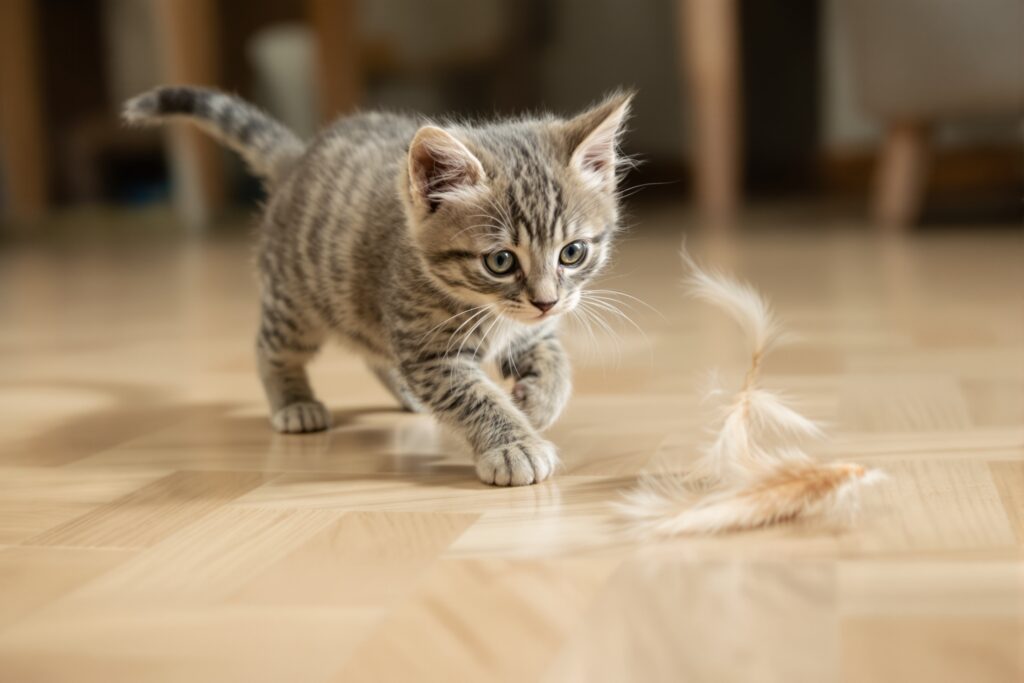
Quick answer: Yes — British Shorthairs are one of the calmest, most family-friendly cat breeds and generally do well with children, dogs, and other cats. It’s because they’re steady and hard to rattle, not because they’re cuddly. Introduce new pets slowly and teach children to let the cat come to them rather than pick it up.
The fuller picture: British Shorthairs are one of the easiest breeds to bring into a home with children and other animals — but not because they’re cuddly pushovers. They’re good with a busy household because they’re calm, steady, and hard to rattle. The trade-off is that they set their own boundaries, and a home that respects those boundaries gets a wonderful family cat. A home that doesn’t gets a cat that hides under the bed.
This is the conversation we have with almost every family that comes to view a kitten. Below is the long version: what to actually expect with kids, with dogs, and with other cats, plus how we introduce them so the first week goes smoothly.
British Shorthairs and Children
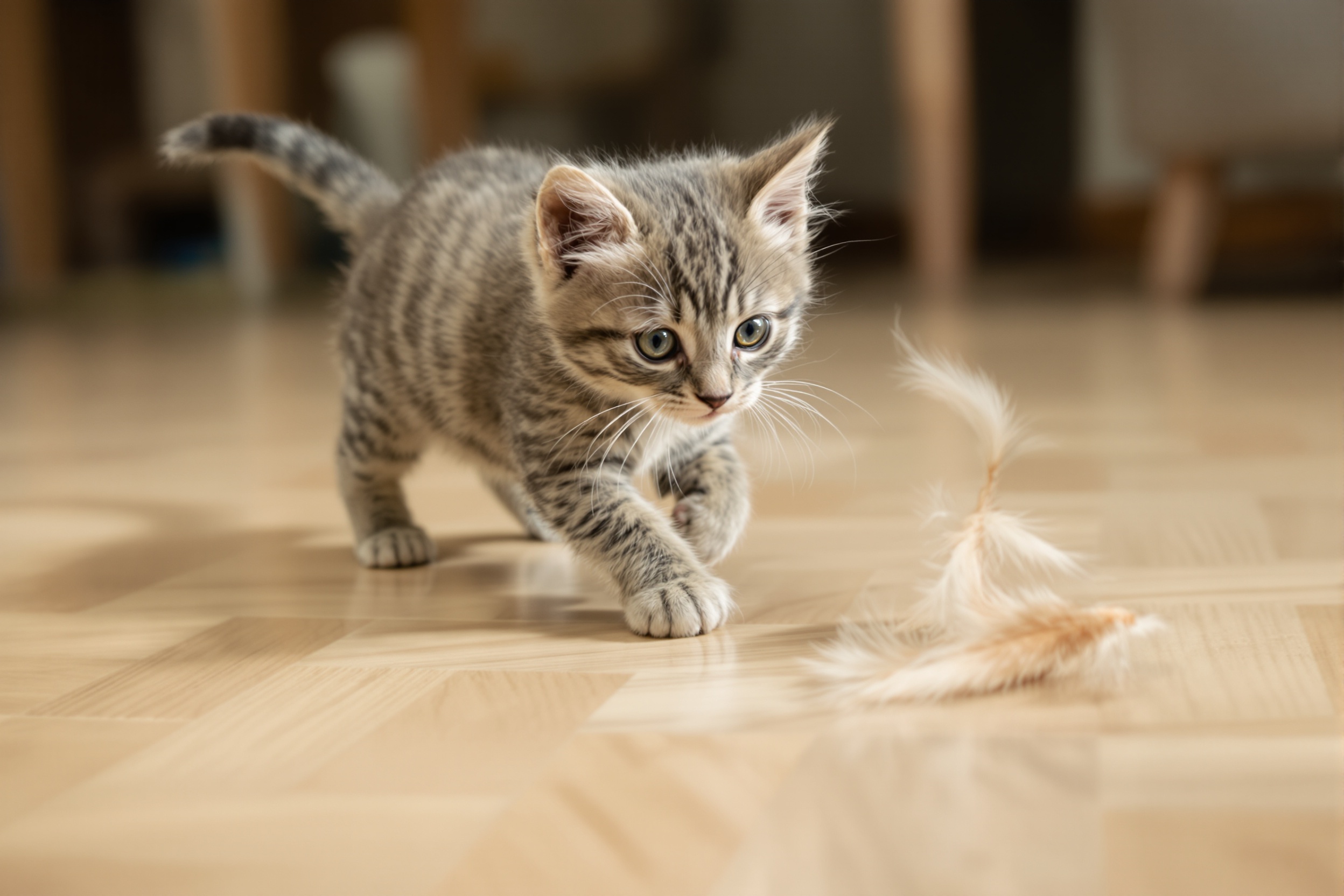
This is the breed’s strongest suit. British Shorthairs have a famously even temperament — they don’t spook easily, they don’t lash out when surprised, and they tolerate the noise and unpredictability of young kids better than most pedigree cats. That stability is exactly why they keep showing up on “best cats for families” lists.
What makes them good with kids
- They’re slow to anger. A British Shorthair will walk away long before it scratches. Most warning signs are obvious — a flick of the tail, a move to another room — which gives kids time to learn the cat’s cues.
- They’re sturdy. This is a solid, muscular cat, not a delicate one. They handle the rough enthusiasm of a six-year-old better than a fine-boned breed would.
- They’re low-drama. They’re happy to be in the same room as the chaos without needing to be in the middle of it. That “present but unbothered” energy is great for kids who want a pet around while they do their own thing.
The one thing kids must learn
British Shorthairs usually don’t like being picked up and carried around. They’ll sit beside your child for an hour, but being hoisted into the air like a soft toy is their least favourite thing. The households that do best are the ones where kids are taught early: let the cat come to you, pet it where it sits, don’t chase it and don’t carry it. Get that one rule in place and the relationship is smooth from day one.
For toddlers, supervise the first few weeks the same way you would with any pet. Not because the cat is a risk — a British Shorthair is about as safe as cats get — but because a toddler hasn’t yet learned what “gentle” means, and you want the cat’s early memories of the small human to be good ones.
British Shorthairs and Dogs
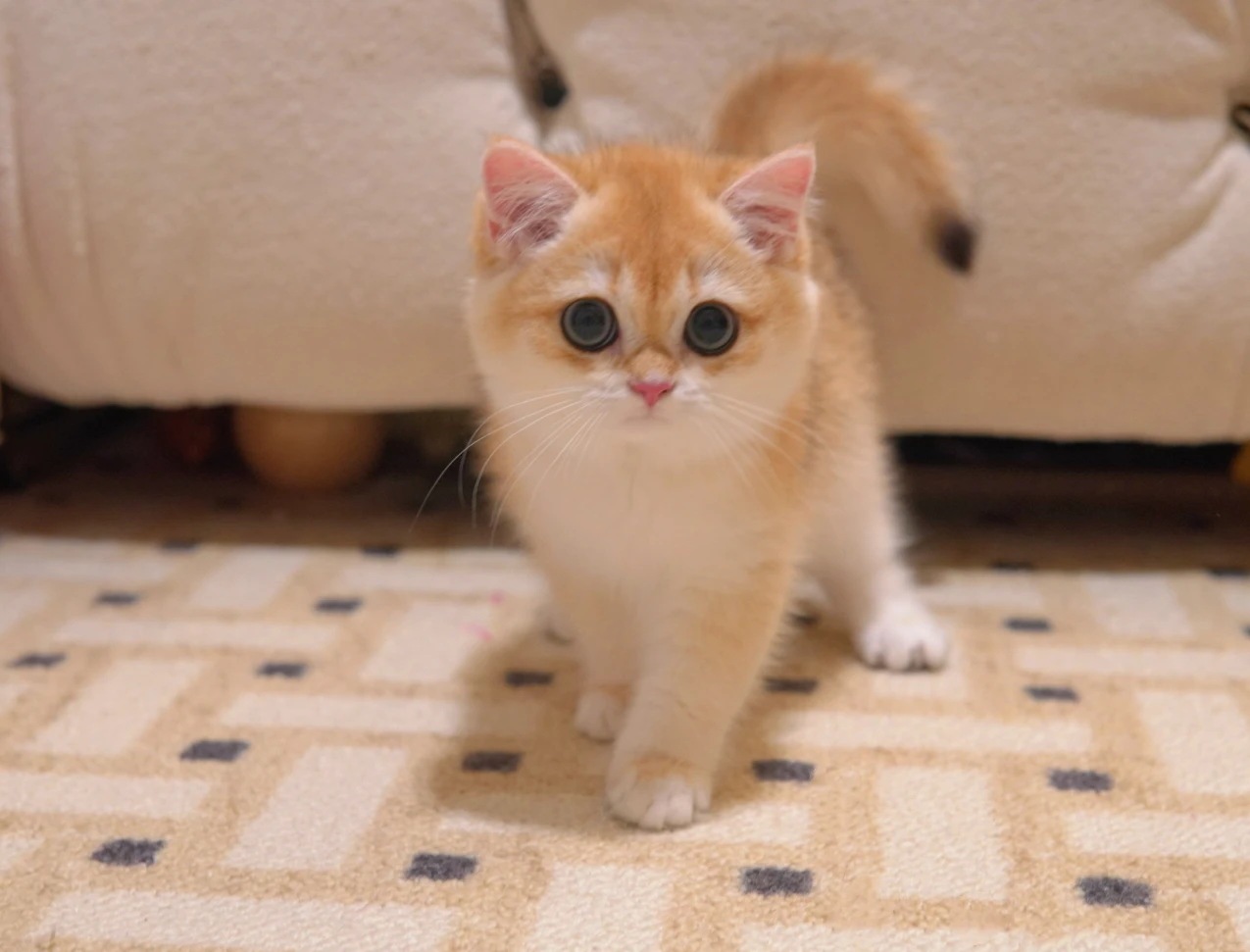
Better than people expect. A British Shorthair’s calm confidence means it doesn’t trigger the chase-and-panic loop that sets a lot of cat-dog relationships off badly. They tend to stand their ground rather than bolt, and a cat that doesn’t run is a cat most dogs quickly lose interest in.
The success of a cat-dog home depends far more on the dog than the cat:
- Calm or cat-experienced dogs usually settle into a respectful co-existence within a couple of weeks.
- High-prey-drive or very excitable dogs need slower, more managed introductions — but even then, the British Shorthair’s unflappability works in your favour.
The realistic end state isn’t a cat and dog curled up together (though it happens). It’s a comfortable truce: they share the space, they tolerate each other, and the cat has high spots and a quiet room it can retreat to when it wants out of the dog’s world.
British Shorthairs and Other Cats
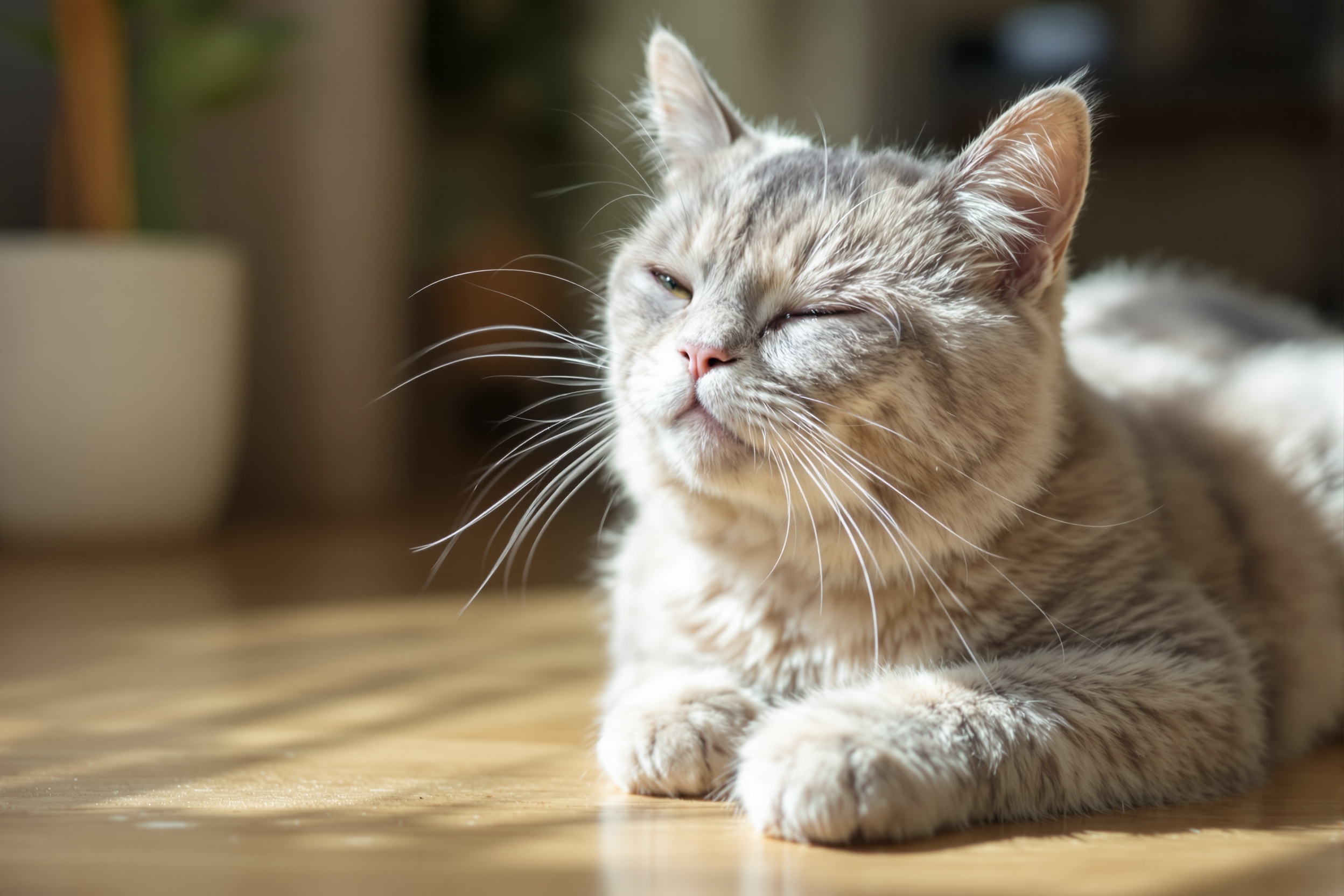
Generally good, with a caveat about how they socialise. British Shorthairs are not needy, clingy cats — and that same independence applies to other felines. They’re rarely the aggressor and rarely the victim. They’ll often coexist politely rather than become best friends, sharing the home on parallel tracks.
If you’re adding a second cat, the easiest pairings are:
- Another British Shorthair — similar energy, similar boundaries, very little friction.
- A British Longhair — same breed temperament, just a different coat. If you like the personality but want a fluffier look in the mix, the British Longhair pairs naturally.
- A calm, non-territorial breed — anything that won’t pick fights.
What to be careful with: a very high-energy kitten paired with an older, settled British Shorthair. The adult won’t be cruel, but it may get worn down by relentless play it didn’t ask for. Match energy levels where you can.
How We Introduce Them: The First Week
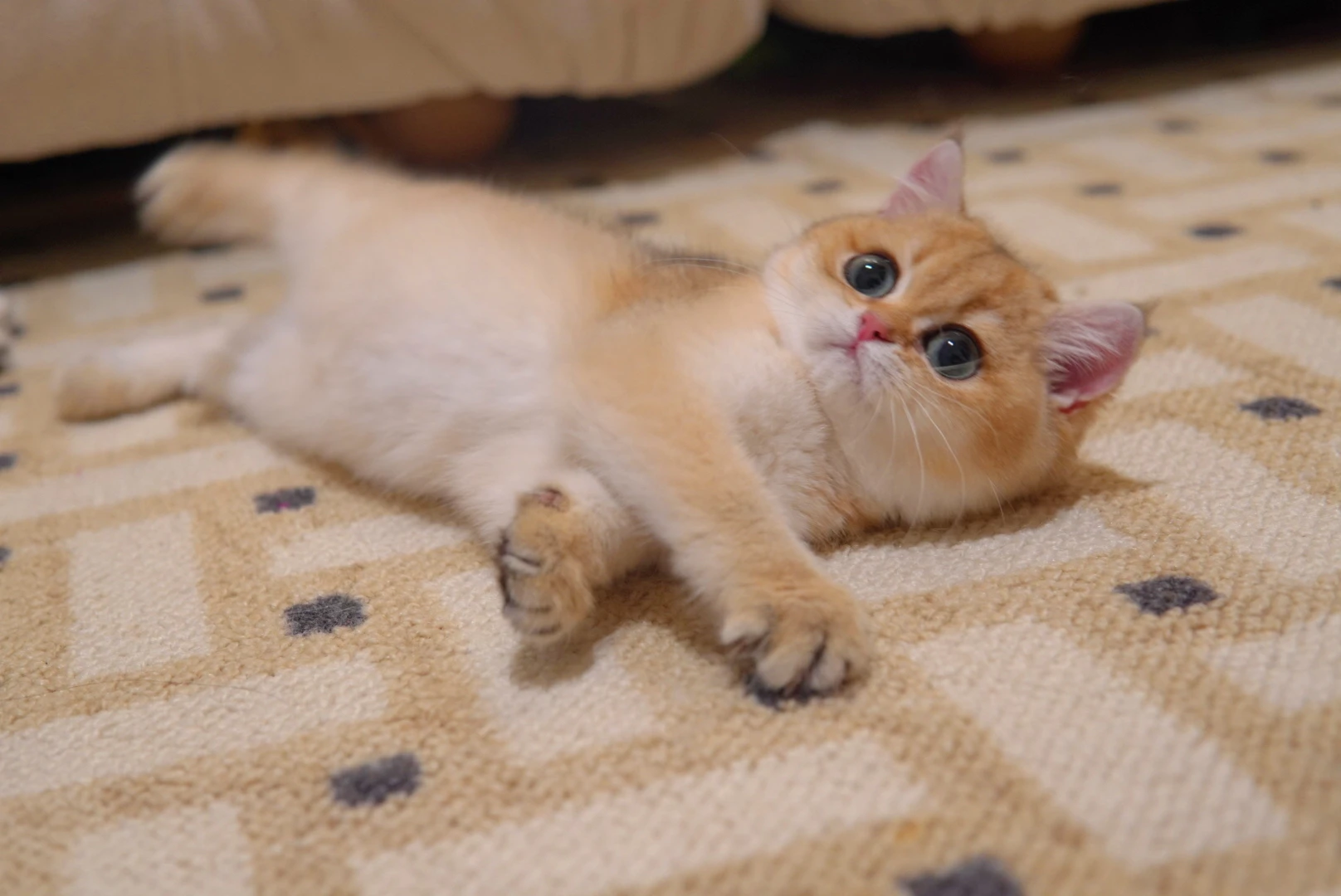
Most “my cat hates the dog” or “the two cats won’t stop hissing” problems come from rushing the introduction. The cat’s temperament is rarely the issue — the speed of introduction is. Here’s the approach we recommend to every family taking a kitten home:
- Start with separation. Give the new cat one room of its own — food, water, litter, a hiding spot. Let it settle and learn that this room is safe before it meets anyone.
- Swap scents before sight. Rub a cloth on the new cat and leave it where the kids, dog, or resident cat spend time, and vice versa. Everyone gets familiar with the smell before the face.
- Introduce through a barrier. A baby gate or cracked door lets them see and sniff each other without the option to lunge or flee. Keep these sessions short and positive.
- Supervise the first real meetings. Calm, brief, with an easy escape route for the cat. End on a good note before anyone gets stressed.
- Let the cat control the pace. British Shorthairs are confident — given a few days, they usually decide on their own terms that the new human or animal is fine.
Done this way, most British Shorthairs are comfortably integrated within one to two weeks. (For the wider settling-in routine, see our guide on helping a kitten settle into a new home.)
So, Is a British Shorthair Right for Your Household?
If you have children who can learn to let a cat come to them, or a reasonably calm dog, or another easy-going cat, a British Shorthair is one of the safest, lowest-drama choices you can make. They bring a steadying presence to a busy home — there, affectionate, unbothered by the noise.
If what you’re picturing is a cat that wants to be carried around and squeezed all day, this isn’t that cat — and no amount of training will change it. That’s not a flaw; it’s the breed. Know it going in and you’ll be a very happy owner. For the full picture on living with the breed, read our complete British Shorthair guide for Singapore owners.
Frequently Asked Questions
Are British Shorthairs good for families with young children?
Yes. Their calm, sturdy, slow-to-anger nature makes them one of the better pedigree breeds for families. The main rule to teach children is to let the cat come to them and not to pick it up or chase it.
Will a British Shorthair get along with my dog?
Usually, yes — especially with a calm or cat-experienced dog. Their confidence means they tend not to trigger a dog’s chase instinct. High-energy dogs just need a slower, supervised introduction.
Can British Shorthairs live happily with another cat?
Most do. They’re rarely aggressive and rarely targets. They often coexist politely rather than becoming inseparable. The easiest second cat is another British Shorthair or a British Longhair, or any calm, non-territorial breed.
Do British Shorthairs like to be held and cuddled?
They’re affectionate but on their own terms. Most prefer to sit beside you rather than be picked up and carried. They show love through presence and closeness more than lap-sitting.
How long does it take to introduce a British Shorthair to other pets?
With a gradual, room-by-room introduction, most settle in within one to two weeks. Rushing it is the single most common cause of early friction.
Ready to Meet a British Shorthair?
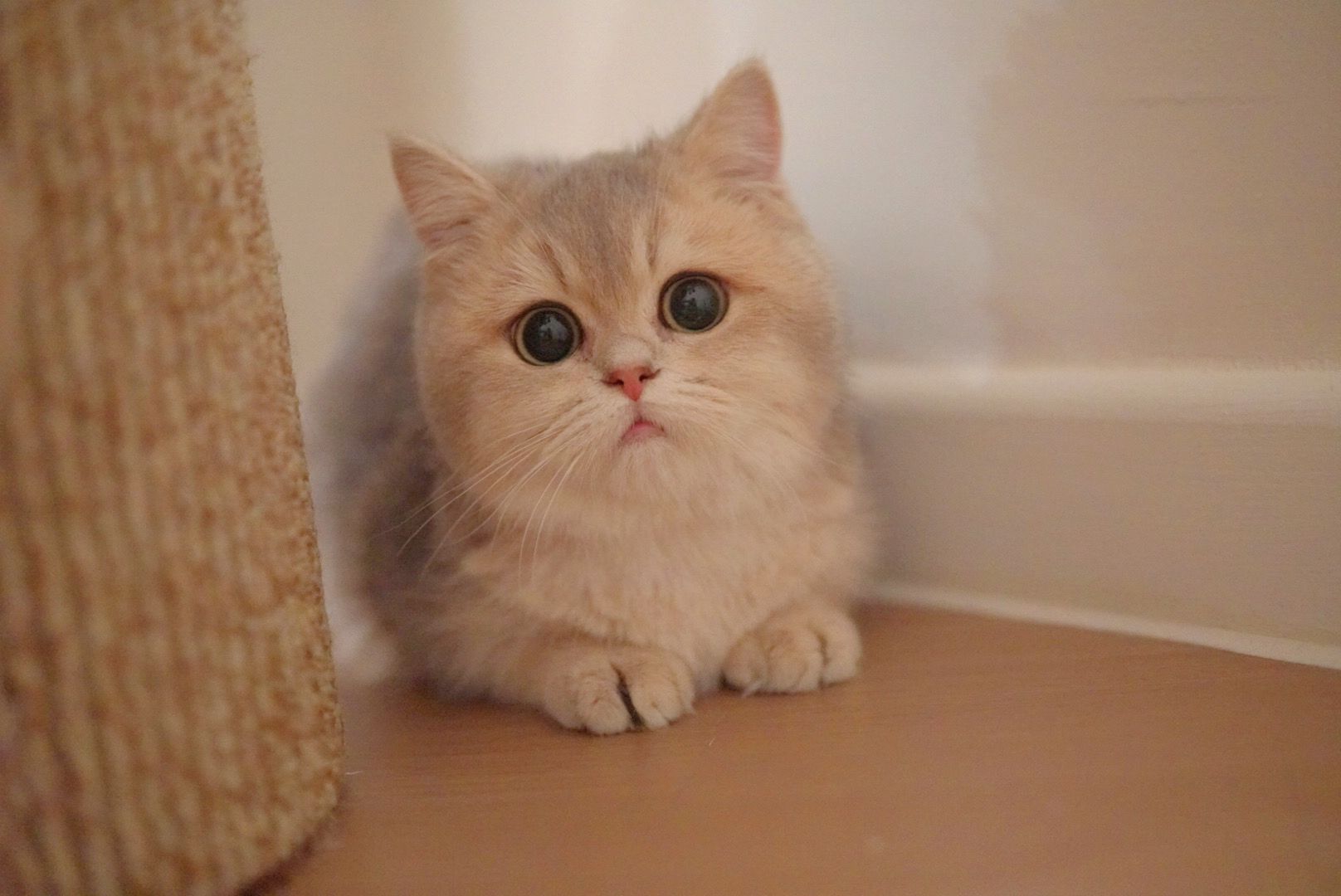
We raise our British Shorthair kittens in a home environment, around people and everyday household noise, so they arrive socialised and steady — ready to fit into a busy family. If you’d like to meet one and see that temperament for yourself, take a look at our available British Shorthair kittens or get in touch to arrange a viewing.
