




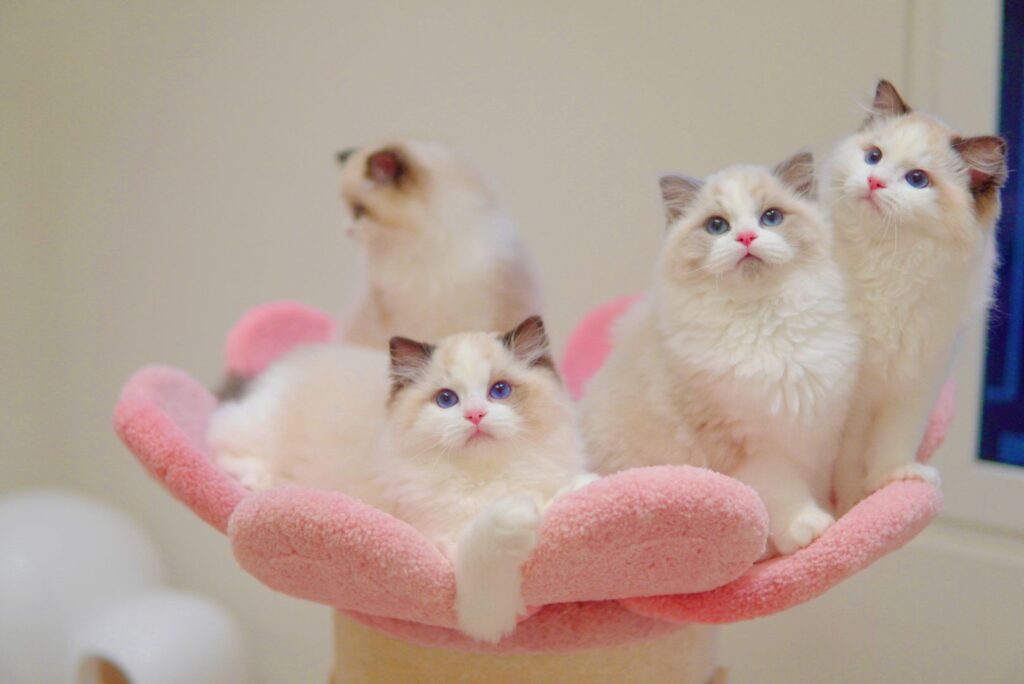
If the British Shorthair is the dignified roommate, the Ragdoll is the cat that wants to be carried around the house like a baby — and will go completely limp in your arms when you do it. They are the closest thing to a dog-cat that exists. Loyal, affectionate, vocal in a soft chirpy way, and almost embarrassingly trusting of humans.
That trust is also why a Ragdoll is a serious commitment. They are not the cat to leave alone in a flat for 12 hours a day. They are not the cat to skip a weekly grooming session. They are not the cat for someone who wants their pet to stay out of their face. This guide walks through what owning a Ragdoll in Singapore actually looks like — temperament, the heavier grooming load in our humidity, the breed’s specific health concerns, daily life, and what to ask before you commit to one.
Why the Ragdoll Has Quietly Become Singapore’s Other Favourite
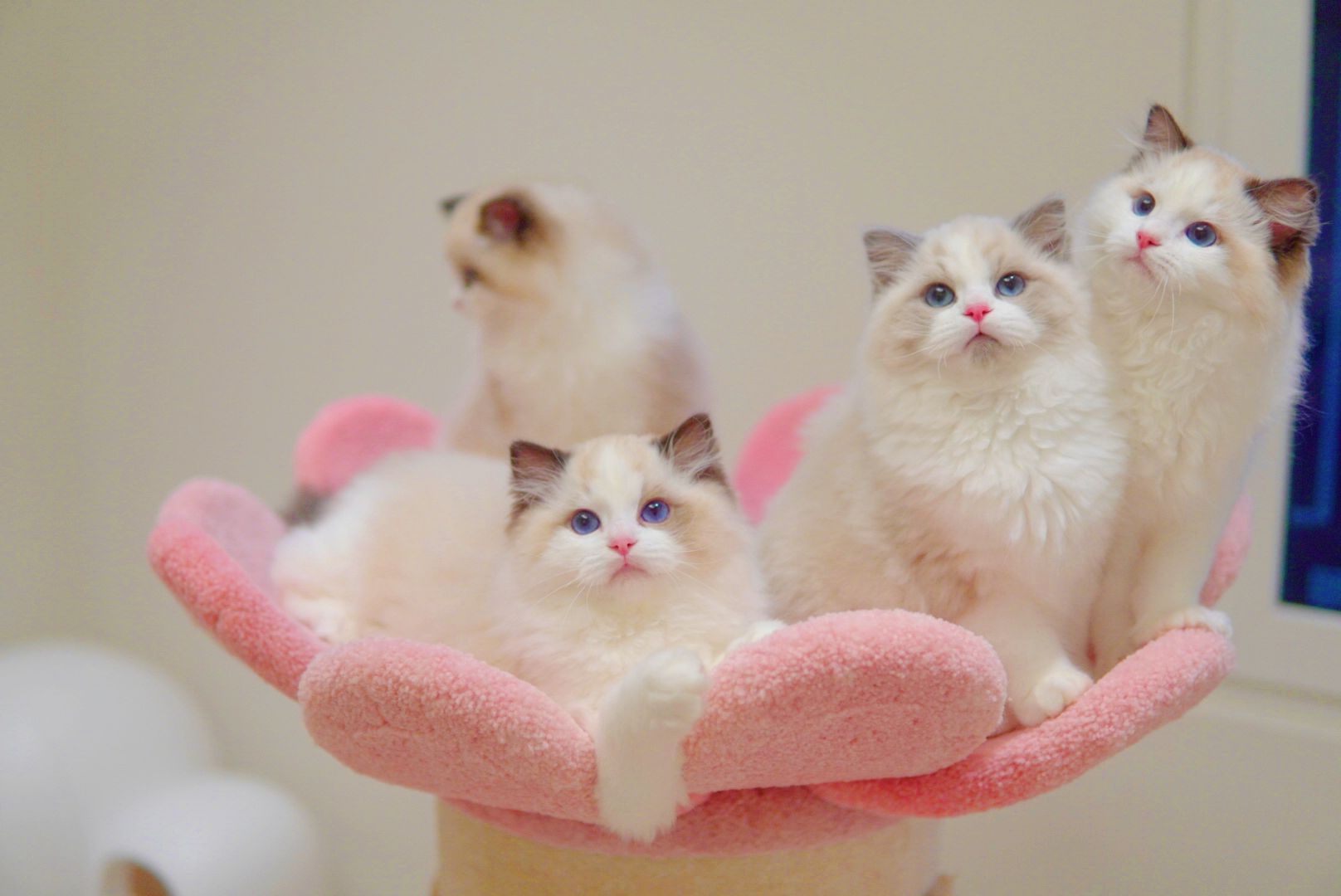
Ragdolls are the second-most-requested breed at our cattery for a reason: they fill the gap that British Shorthairs don’t. Where the BSH is calm-and-independent, the Ragdoll is calm-and-deeply-attached. People who want a cat that follows them from room to room, sits on their lap during work-from-home calls, sleeps on the bed with them, and greets them at the door — that’s the Ragdoll, not the BSH.
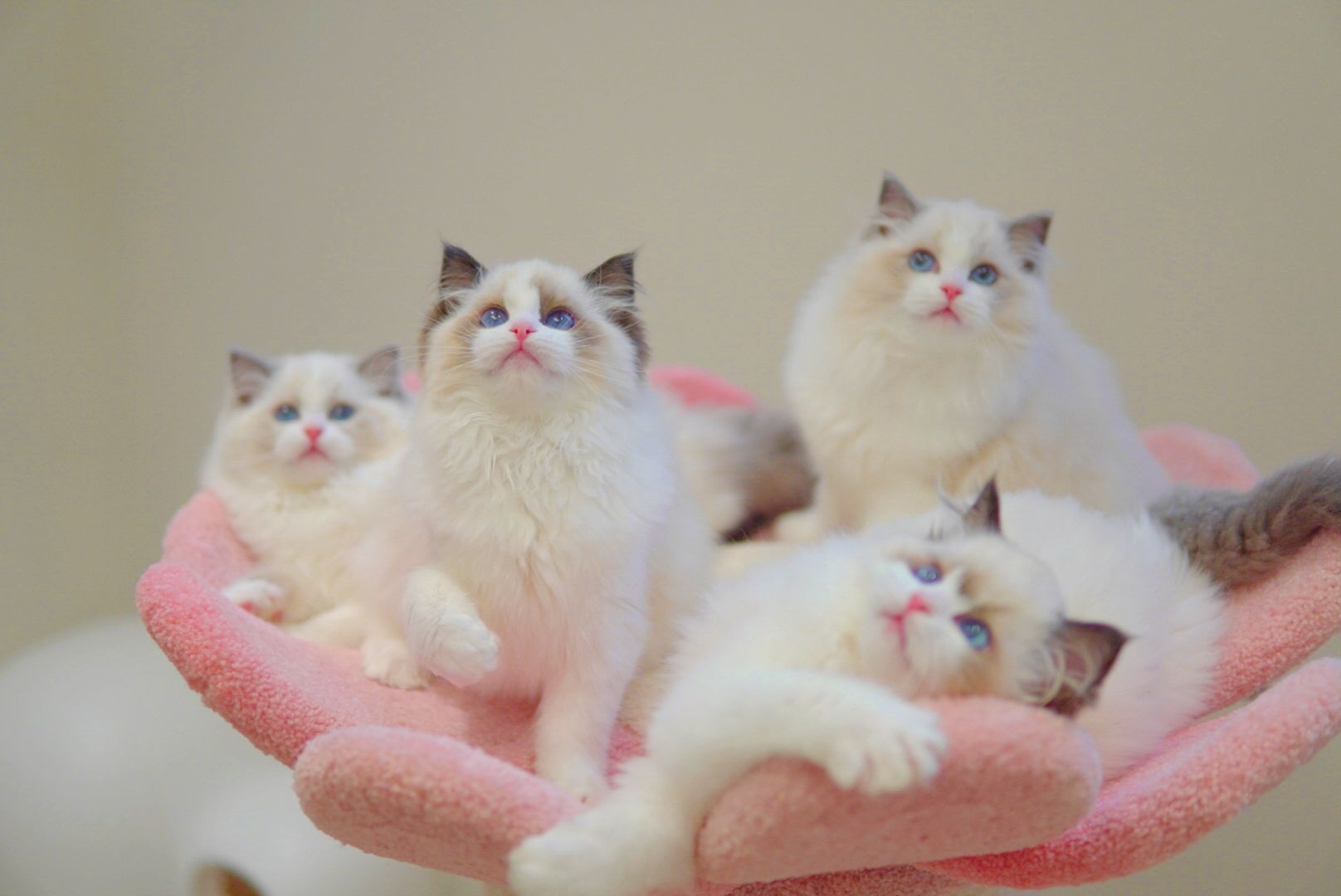
They also tend to be visually striking. The semi-long fluffy coat, the deep blue eyes, and the color-point pattern (white body with darker mask, ears, legs, and tail) make them one of the most photogenic breeds in the world. Singapore Instagram is full of them.
What “Ragdoll” actually means
The breed name comes from the trait the breed was selected for: when picked up, a relaxed Ragdoll goes completely floppy — like a rag doll. This is not all Ragdolls and not all the time. But the breed temperament leans heavily toward this trusting, pliant, “do whatever you want with me” disposition.
The trade-off: that trusting nature means a Ragdoll will not defend itself well outdoors. They should be strictly indoor cats. Always.
Temperament: The Cat That Wants to Be Near You
Ragdoll temperament is the strongest selling point of the breed and also the source of the most mismatch when owners don’t understand what they’re signing up for.
Bonded, not aloof
Ragdolls form intense attachments to their primary humans. They want to be in the same room as you, ideally on you or next to you. They will follow you to the bathroom. They will sleep on your pillow. They will wait at the door for you to come home and chirp when they see you.
If you’ve owned aloof cats before, this is a different category of pet. People who say “cats aren’t affectionate” have not lived with a Ragdoll.
Gentle, even with kids
Ragdolls are widely regarded as one of the most kid-tolerant pedigree breeds. They are slow to anger, rarely scratch unprovoked, and tolerate handling that other cats wouldn’t. This makes them a popular choice for families with young children.
Important caveat: tolerance doesn’t mean immunity. Children still need to be taught how to handle a cat respectfully. Even the gentlest Ragdoll has limits. (For broader cat-behaviour reading, see our guide on cat frustration signals.)
Soft-spoken
Ragdolls are not loud, but they are vocal. They communicate in soft chirps, trills, and squeaky meows rather than the loud yowling of, say, a Siamese. Most owners find this charming. If you wanted complete silence, the British Shorthair is a better fit. (Compare both side by side in our BSH vs Ragdoll guide.)
Not a fan of being alone
This is the big one. Ragdolls do not handle solo time well compared to most breeds. A Ragdoll left alone for 10+ hours a day, day after day, will develop separation anxiety symptoms — over-grooming, withdrawal, vocalising distress, sometimes inappropriate elimination.
If you live alone and work long hours, get a Ragdoll in pairs, ideally littermates or two kittens raised together. This is non-negotiable for the breed. Read more on cat separation anxiety if this is your situation.
Indoor-only, always
The Ragdoll’s trust in humans extends to all humans, including the wrong ones. They have no street smarts, no defensive instincts, and no road sense. They should never be allowed outdoor unsupervised. In Singapore this is rarely an issue because most flats are high-rise — but make sure all windows have proper mesh and balconies are cat-proofed.
Singapore-Specific Care: The Climate Challenge
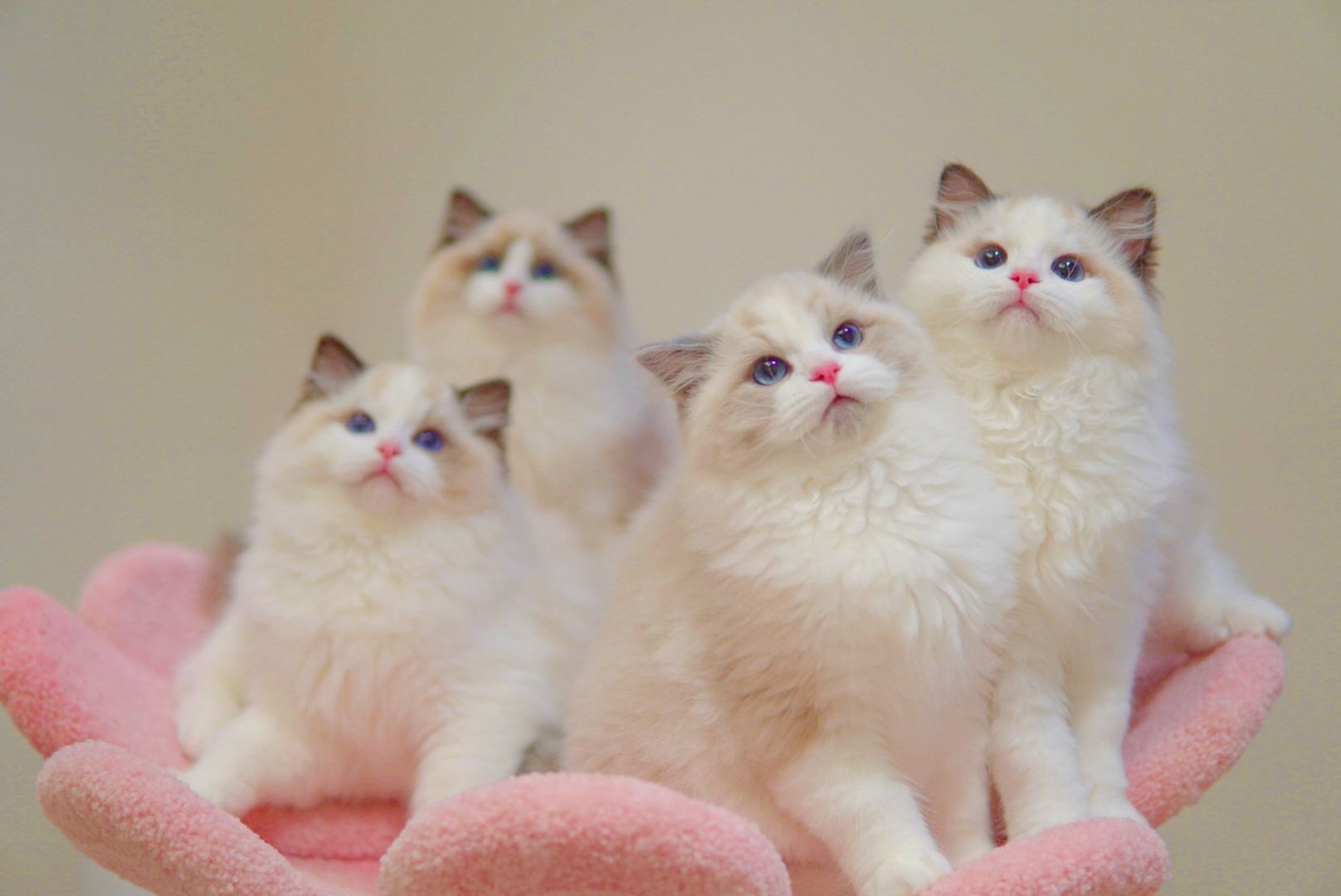
Ragdolls were developed in California — temperate, dry, mild. Singapore is the opposite. Their semi-long double coat is a bigger climate-management challenge than a BSH’s coat, and the realities need planning before you bring one home.
Air-conditioning is essentially required
A Ragdoll without aircon in Singapore will be uncomfortable for most of the year. They will pant. They will sprawl on the cold tile floor and not move. They will become lethargic and lose appetite during the hottest months. Long-term heat stress can also accelerate skin conditions and matting.
Plan for at least 10-14 hours of aircon a day in the room they spend most time in, kept around 24-26°C. If you can’t or won’t run aircon at this level, the Ragdoll is the wrong breed for you. Pick a short-haired breed instead.
Hydration matters more
The combination of long coat + heat + low natural drinking instinct (a problem in most cats) means Ragdolls are at higher risk of dehydration and urinary issues in our climate. Solutions:
- At least 2 water sources around the home, ideally one that’s a fountain.
- 30-40% wet food in the daily diet (more on this below).
- Watch for early warning signs — straining in the litter box, frequent small urinations, blood in urine. These need vet attention same-day.
Apartment-friendliness
Ragdolls live happily in apartments. They’re not high climbers. They prefer ground level and lap level over treetops. A 3-room HDB or condo is more than enough space. They do appreciate a window perch and at least one elevated cat tree.
For a full apartment-prep checklist, see our cat-friendly home guide. Window mesh and balcony netting are critical for any indoor cat in Singapore — for a Ragdoll, doubly so because they have no street awareness.
Grooming: The Real Workload
The Ragdoll’s coat is the single biggest difference between owning one and owning a short-haired breed. It is semi-long, plush, and has a dense undercoat that mats if neglected. Singapore’s humidity makes mats form faster.
Brushing schedule
- Daily: 5-10 minutes with a stainless steel comb. Yes, daily. Skipping a few days lets mats form, and mats only get worse.
- Weekly: A more thorough 15-20 minute session covering all the high-mat zones — armpits, behind the ears, the breeches (back legs), the belly, the tail base.
- Tools that matter: Stainless steel comb (greyhound-style with two tooth widths), slicker brush, mat splitter for problem areas. Avoid wire brushes that pull the coat out.
Our long-haired grooming guide covers tool selection and technique in detail.
Professional grooming
Most Ragdoll owners benefit from a professional groomer every 2-3 months. They can handle the underside, the sanitary trim, and any mats that have started forming. Singapore prices typically run SGD 80-200 per session depending on the cat and condition.
Bathing
Ragdolls tolerate baths better than most breeds because of their trusting temperament. A bath every 2-3 months helps with shedding and freshness in our climate. Use a cat-specific shampoo, dry thoroughly with a low-heat blow dryer, and brush during drying to prevent mats forming as the coat sets.
Hairballs
More coat = more swallowed hair = more hairballs. Brushing is the first line of prevention. For natural management approaches, see our hairball management guide.
Health Considerations Every Ragdoll Owner Should Plan For
Ragdolls are generally healthy but have three breed-specific health concerns owners should know about and plan for. Average lifespan is 12-17 years.
Hypertrophic cardiomyopathy (HCM)
HCM is the most important breed health concern. Ragdolls have a known heritable predisposition, and there’s a specific Ragdoll HCM gene mutation (R820W) that DNA tests can identify. Any breeder you talk to should be able to show you HCM-screening evidence for both parent cats. If they can’t, walk away.
Adult Ragdolls should also have cardiac auscultation at every annual vet check, and a baseline cardiac ultrasound around age 5-7 is wise even with clean parent screens.
Polycystic kidney disease (PKD) and urinary issues
The breed has slightly elevated rates of PKD and lower urinary tract issues. Combined with Singapore’s heat-driven hydration challenges, this means kidney and urinary health needs proactive monitoring. Practical steps:
- Annual senior bloodwork from age 7+ to catch early kidney decline.
- Maintain wet food in diet for ongoing moisture.
- Multiple water sources, ideally moving water (fountains).
- Treat any urinary symptom (straining, frequent visits, accidents outside the box) as a vet emergency.
Weight management
Ragdolls are large cats — males can reach 6-9kg, females 4-6kg at healthy weight. They are also slow to mature (full size by 3-4 years). It’s easy to confuse “large breed” with “free pass to gain weight.” Don’t. Use measured meals, weigh monthly, and consult your vet on the right body condition for your individual cat.
The first vet year
For Ragdoll kittens specifically, the first year is when you build the foundation for a long healthy life — vaccinations, deworming, sterilisation, and the routine handling that will let you brush them daily for the next 15 years. Read our kitten first-year health guide for the complete framework.
Daily Life: Food, Litter, Enrichment
Food
Ragdolls thrive on the same high-protein balanced diet as most pedigree breeds, with two adjustments for the breed:
- Higher wet food share — 30-40% of total intake. This addresses both the breed’s urinary risk and Singapore’s hydration challenge.
- Larger total volume than a BSH. A 7kg adult male Ragdoll eats noticeably more than a 5kg BSH. Adjust portions to body weight, not breed average.
- First ingredient should be a named meat (chicken, salmon, turkey). Carbohydrate content under 20%.
- Twice-daily measured meals. No free-feeding.
Litter and litter boxes
Standard rule: one box per cat plus one extra. Ragdolls are large — they need large boxes (at least 1.5x the length of the cat from nose to tail base). Open-top or top-entry both work; the cat will tell you their preference. Scoop daily, full change weekly.
Enrichment
Ragdolls are not high-energy zoomers. They like:
- One sturdy cat tree at moderate height — they don’t need to climb to the ceiling.
- A window perch (birds and trees count as TV for cats).
- Soft fabric beds in 2-3 spots around the house, especially near where you spend time.
- 10-15 minutes of interactive play daily — wand toys, slow-rolling balls, gentle chase games.
- Most importantly: your time. Ragdolls are an attention-driven breed. Sitting on the sofa with them counts as enrichment.
The first weeks at home
Ragdoll kittens settle into new homes faster than most breeds because of their trusting temperament. But the first few weeks still set the tone. Our kitten settle-in guide walks through the protocol.
Lifetime Cost Framing
Ragdolls cost slightly more to maintain than short-haired breeds, mainly because of grooming and the higher likelihood of professional grooming sessions. Other costs (vet, food, insurance) are similar to other pedigree breeds.
For a year-by-year breakdown of cat ownership costs in Singapore — from one-time setup through senior care — read our true cost of owning a cat guide. Plan honestly before you commit. The Ragdolls that end up rehomed are almost always the ones whose owners didn’t budget for the long coat or the breed’s social needs.
How to Choose a Ragdoll Breeder
Choosing the right breeder matters more for Ragdolls than almost any other breed because of the HCM heritability and the importance of early socialisation for the breed’s signature trusting temperament.
Questions to ask any breeder
- Are the parent cats HCM DNA-tested AND cardiac-scanned? Both, ideally. Ask to see the documentation.
- Are the parents PKD-screened? A renal ultrasound at maturity should be standard practice.
- Can I visit the cattery? Reputable breeders welcome viewings. Ragdolls are raised underfoot — kittens should be socialised with humans from day one.
- Can I meet the mother cat? Mum’s temperament tells you a huge amount about how the kittens will turn out.
- How old when going home? Minimum 12 weeks for any pedigree, ideally 14-16 weeks for Ragdolls. Earlier than 12 weeks means missed socialisation and weaning — which can permanently affect the famously trusting temperament.
- What does the kitten go home with? Complete vaccination records, deworming history, microchip, vet certificate of health, and ideally a written health guarantee.
- Will you take the cat back if I can’t keep it? Real breeders will, no questions asked.
Red flags to walk away from
- Multiple breeds offered in large numbers — usually a kitten mill.
- “Rare” colours or patterns at premium prices that don’t exist in the breed standard.
- Won’t show parent cats or screening documentation.
- Pushes you to commit before any visit.
- Kittens advertised as ready before 10 weeks.
- No written contract or health guarantee.
A good breeder will also assess you. Expect questions about your home setup, your work hours, whether you have other pets, and whether you understand the grooming commitment. That scrutiny protects the kitten and protects you from buying the wrong breed.
Common Ragdoll Myths
- “All Ragdolls go limp when held.” The trait is breed-typical but not universal. Most Ragdolls relax in arms; some do not. Don’t pick a kitten purely on this trait.
- “Ragdolls have no pain response.” A persistent online myth. They feel pain normally. The “rag doll” name refers to muscle relaxation, not insensitivity.
- “Ragdolls are hypoallergenic because of the coat.” No cat is fully hypoallergenic. Ragdolls produce normal Fel d 1 levels.
- “Ragdolls are always color-pointed with blue eyes.” Color-point is the most common pattern but solid Ragdolls also exist. Blue eyes are standard for color-points but not all Ragdoll variants.
- “Ragdolls don’t shed because their coat is silky.” They shed normally. Daily brushing is a real requirement, not a suggestion.
- “Ragdolls are good outdoor cats.” The opposite — they have no street smarts and should be indoor-only.
Frequently Asked Questions
Are Ragdolls good for first-time cat owners?
Yes, with one caveat: only if you have time at home. Ragdolls are easy in temperament — gentle, tolerant, slow to spook — which makes them beginner-friendly. They are harder than a BSH on grooming time and on tolerating solo hours. If you work from home or have someone home most days, a Ragdoll is a great first cat. If you’re out of the house 10+ hours a day every day, pick a different breed or get a pair. See our first-time owner breed guide for more direct comparisons.
How long do Ragdolls live?
Average lifespan is 12-17 years for a healthy, well-cared-for Ragdoll. Indoor-only living, regular cardiac and renal monitoring, weight management, and a quality diet are the main lifespan levers.
Are Ragdolls good with kids?
Yes — they’re one of the most kid-tolerant pedigree breeds because of their gentle, slow-to-anger nature. Children should still be taught respectful handling. Even the calmest Ragdoll has limits.
Can Ragdolls be left alone during work hours?
Less well than most breeds. They form strong attachments and don’t handle long solo periods. If you work long hours, the right answer is to get two Ragdolls so they have company. A single Ragdoll in an empty house all day is the most common Ragdoll owner mistake.
Do Ragdolls need a lot of grooming?
Yes — daily brushing for 5-10 minutes plus a longer weekly session, plus a professional groomer every 2-3 months. The coat mats easily in Singapore’s humidity. If daily grooming sounds like too much, a short-haired breed is a better fit.
Are Ragdolls okay in HDB flats?
Yes. They are quiet, low-vocal, don’t climb obsessively, and need only moderate space. The key requirements are aircon for at least 10-14 hours a day in their main room, properly meshed windows, and time for daily grooming.
How much should I budget for a Ragdoll monthly?
Across food, litter, treats, and routine vet care, a healthy adult Ragdoll typically costs SGD 250-400 per month operating costs, plus annual vaccinations, dental care, and quarterly grooming sessions. The full lifetime framework is in our cost guide.
What’s the difference between a Ragdoll and a Maine Coon?
Both are large semi-long-haired breeds, but they differ in temperament and physical traits. Ragdolls are typically more lap-oriented and lower-energy; Maine Coons are more playful and dog-like in personality. Maine Coons can also reach much larger size (some adult males 9-12kg) and have tufted ears and a distinct mane.
Ready to Meet a Ragdoll?
The Ragdoll is one of the most loving cats you can share a home with — provided you go in understanding the trade-off: the affection comes with daily grooming, a need for company, and a serious commitment to the breed’s health considerations. If that fits your life, you’ll have one of the most rewarding pet relationships of your life ahead of you.
If you’d like to see our Ragdoll kittens in person, learn about our breeding lines, or just ask the questions this guide raised, we’d love to meet you:
Browse our available Ragdoll kittens →
Book a viewing at Ximeow Cattery →
Every kitten that leaves us is fully vaccinated, microchipped, health-screened, and goes home with a thoughtful handover pack — because the first year of your cat’s life should feel like a beginning, not a scramble.
