




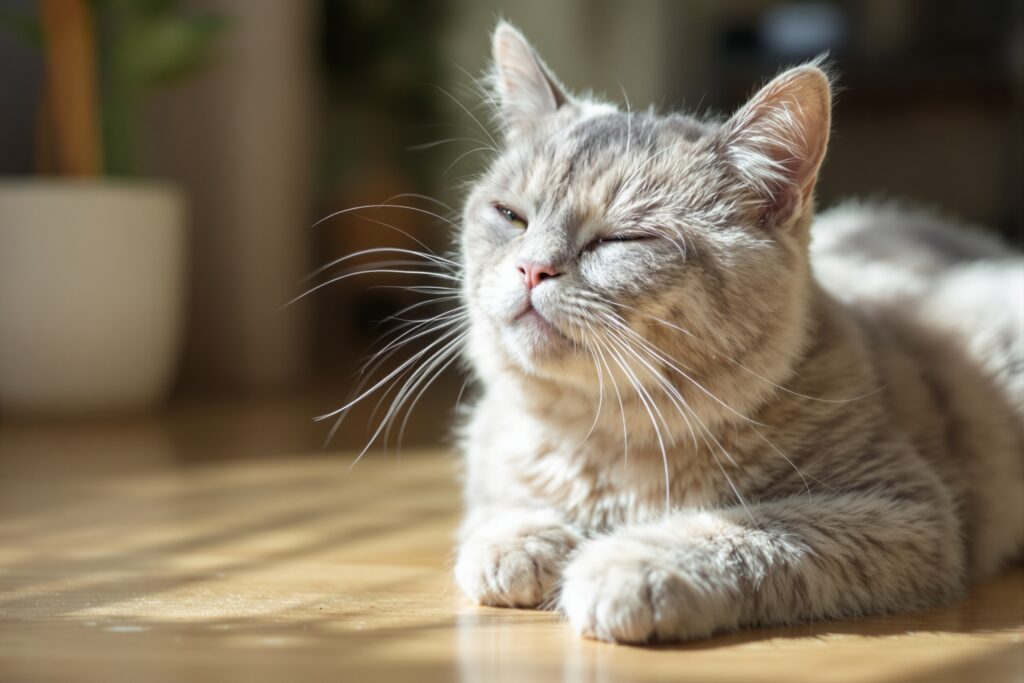
If your cat has ever given you that slow, sleepy blink from across the room — congratulations, you’ve been told you’re loved in cat.
Cats don’t wear their hearts on their sleeves the way dogs do. Their affection is quieter, slower, and often disguised as something else entirely — a tail curl, a well-placed headbutt, a half-eaten lizard left at your feet (yes, really). Once you learn to read the signals, you’ll realise your cat has been saying “I love you” in ten different ways all along.
Here are the ten clearest signs that your cat adores you — starting with the most famous.
1. The Slow Blink — the Cat Kiss
If there is one universal “I love you” in cat body language, it’s the slow blink. Your cat locks eyes with you, then closes them slowly, lingers, and opens them again. Behaviourists call it the cat kiss, and it’s backed by actual science — a 2020 University of Sussex study found that cats are significantly more likely to approach humans who slow-blink at them than humans who stare blankly.
Why it means love: In feline body language, closing your eyes in another cat’s presence is an act of complete trust. A predator never blinks around a threat. When your cat blinks slowly at you, they’re saying I feel safe with you.
Try it: Catch your cat’s gaze, soften your face, and blink slowly back. Don’t be surprised if they return the gesture.
2. Headbutts & “Bunting”
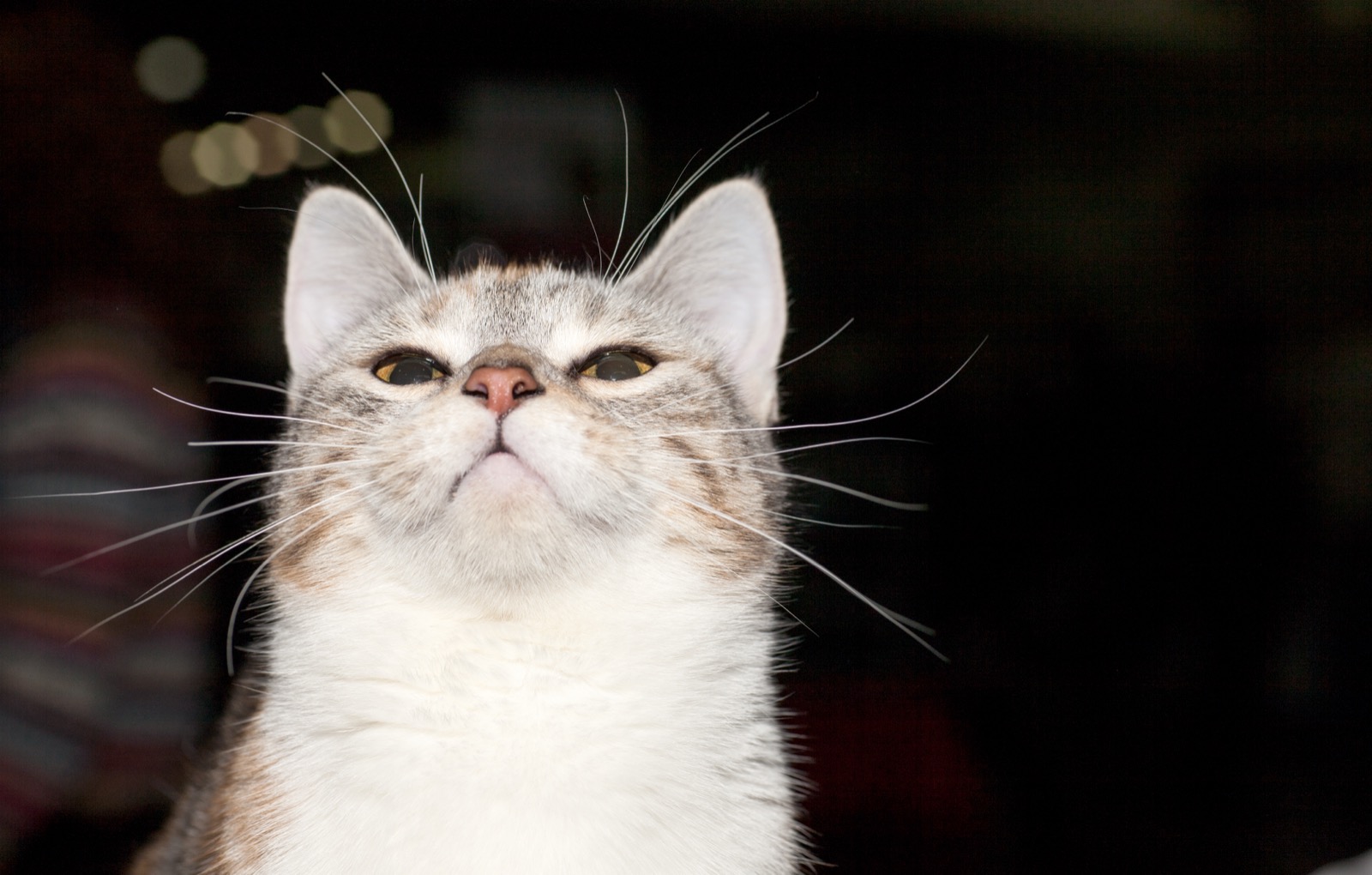
That firm forehead-to-forehead bump? Cats have scent glands on their cheeks, chin, and forehead, and when they rub them against you, they’re literally marking you as part of their family. Bunting is social — cats do it to the cats (and humans) they trust most.
A headbutt is not just a greeting. It’s a claim. Your cat is saying, you’re mine.
3. Kneading — “Making Biscuits”
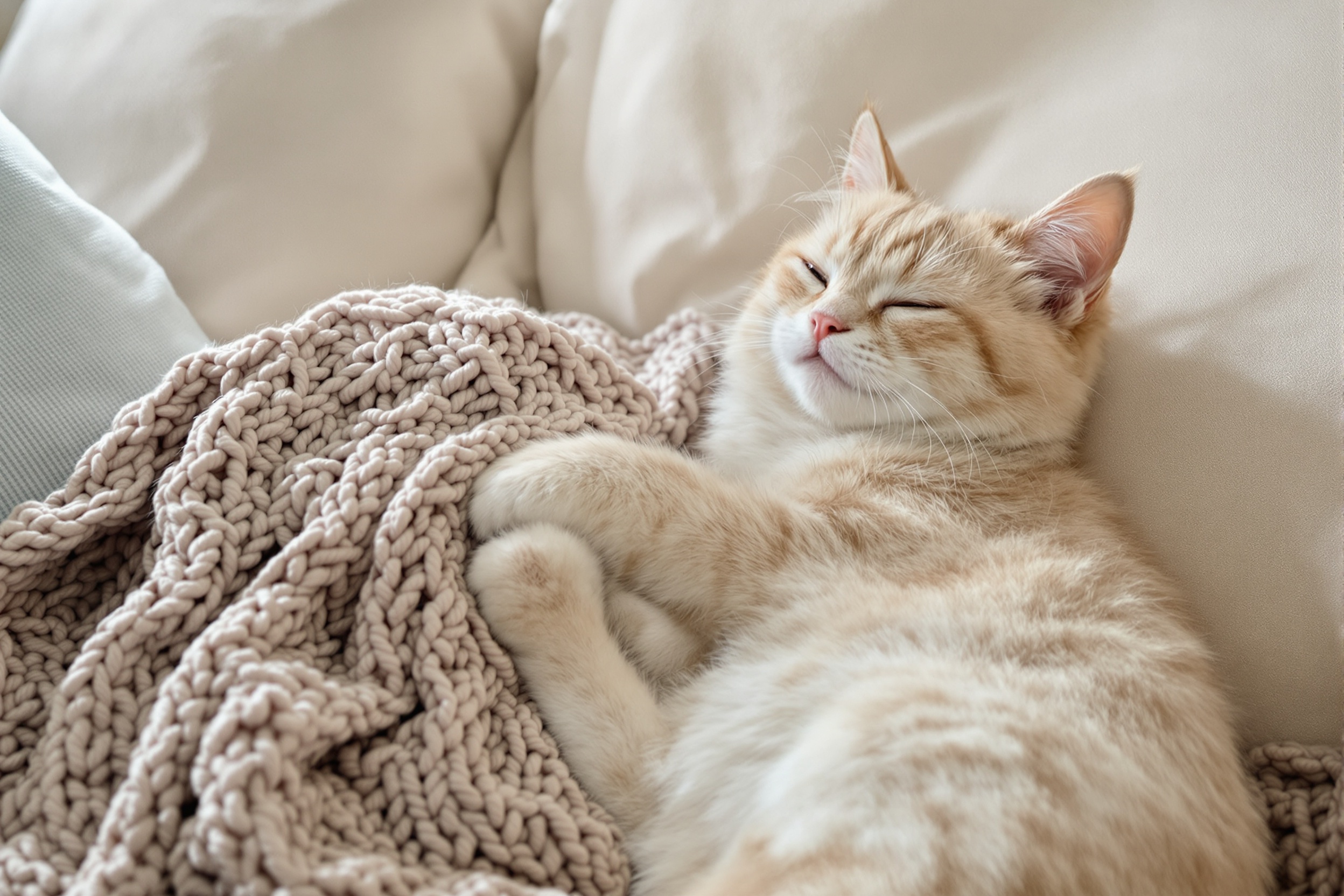
Kneading is the rhythmic push-pull of front paws on a soft surface — often your lap, sometimes your chest, occasionally your face at 4am. Kittens knead to stimulate milk flow while nursing; adult cats keep doing it throughout their lives, specifically when they feel the same deep contentment they felt as babies.
If your cat kneads on you, you are, biologically speaking, the warmest thing in their world.
4. Bringing You “Gifts”
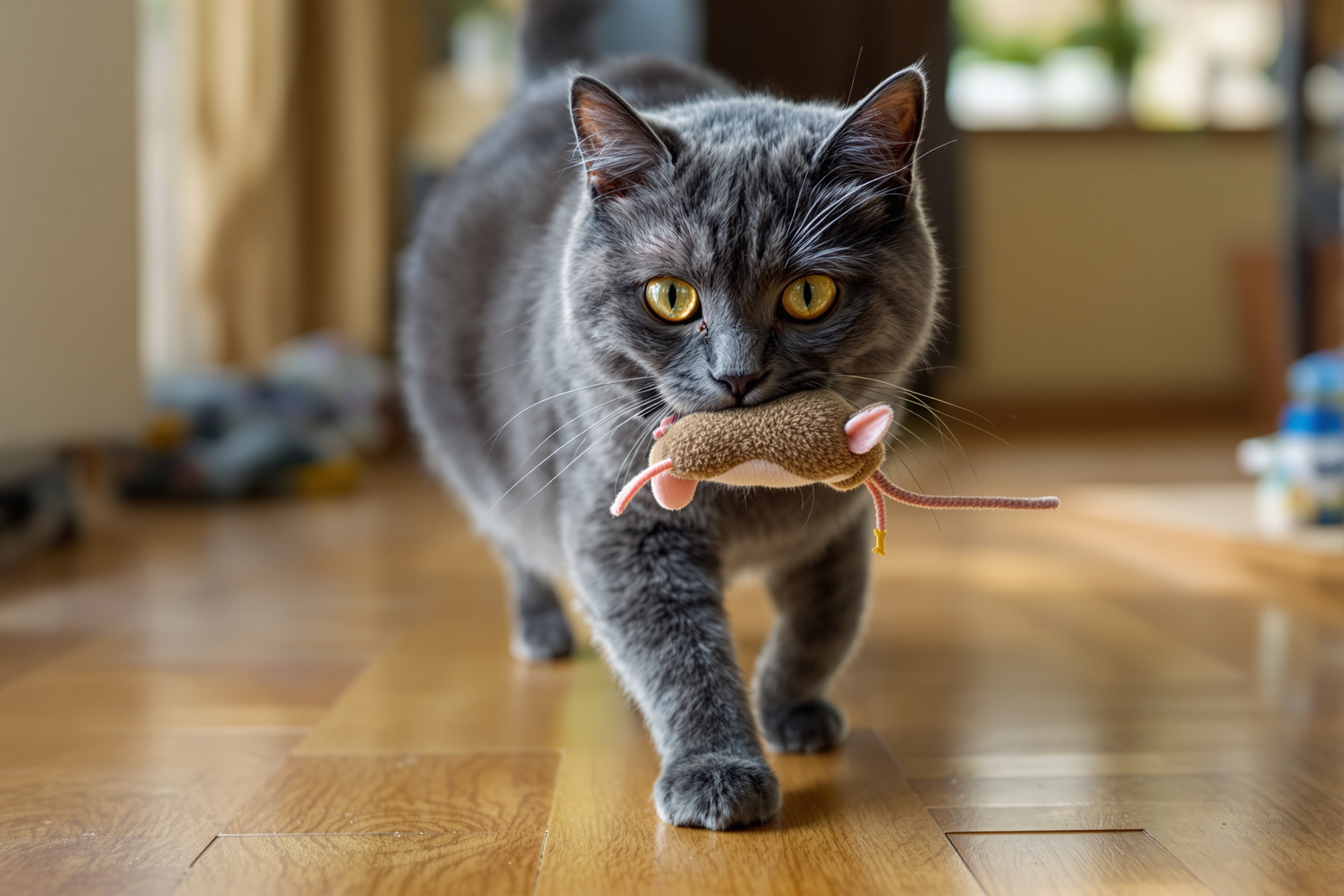
A toy mouse at your feet. A bottle cap balanced on your pillow. If you’re unlucky, the occasional real lizard. Cats who bring you prey (dead, alive, or plastic) are doing something remarkable: teaching you to hunt — because they’ve decided you, their beloved human, clearly cannot feed yourself.
It’s a mother-cat behaviour. Accept the gift, say thank you, and then discreetly dispose of it later.
5. Following You From Room to Room
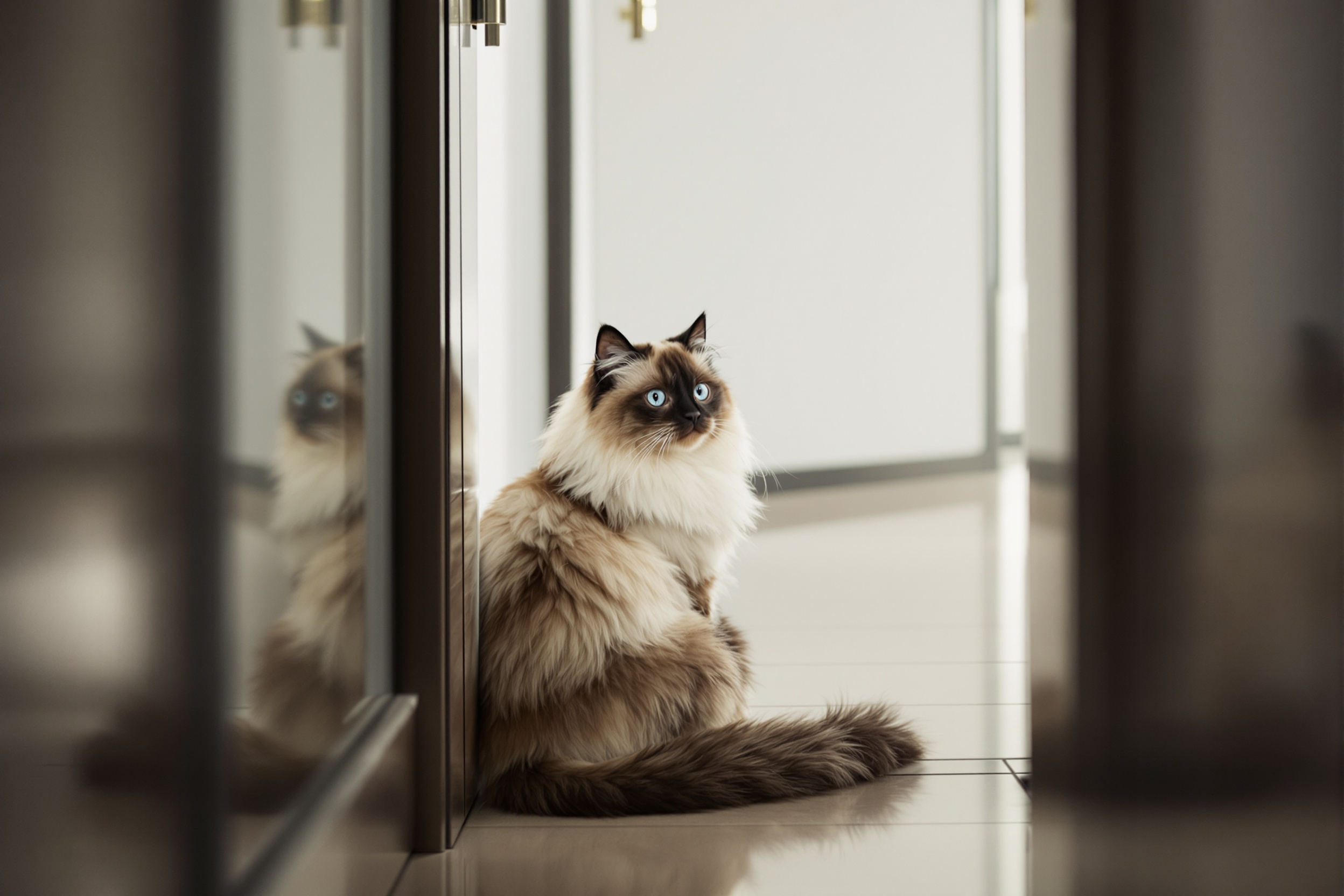
Contrary to the myth that cats are aloof, bonded cats are often quietly shadow-like. They’ll trail you to the bathroom, sit on the floor of your shower, supervise your cooking, and relocate every time you relocate. This isn’t clinginess — it’s preference. Cats choose who they want to spend time near, and they almost never bother faking it.
If your cat regularly follows you around the house, you’re their person. And if your cat occupies the doorway while you work, congratulations — you now have a furry project manager.
6. Exposing Their Belly
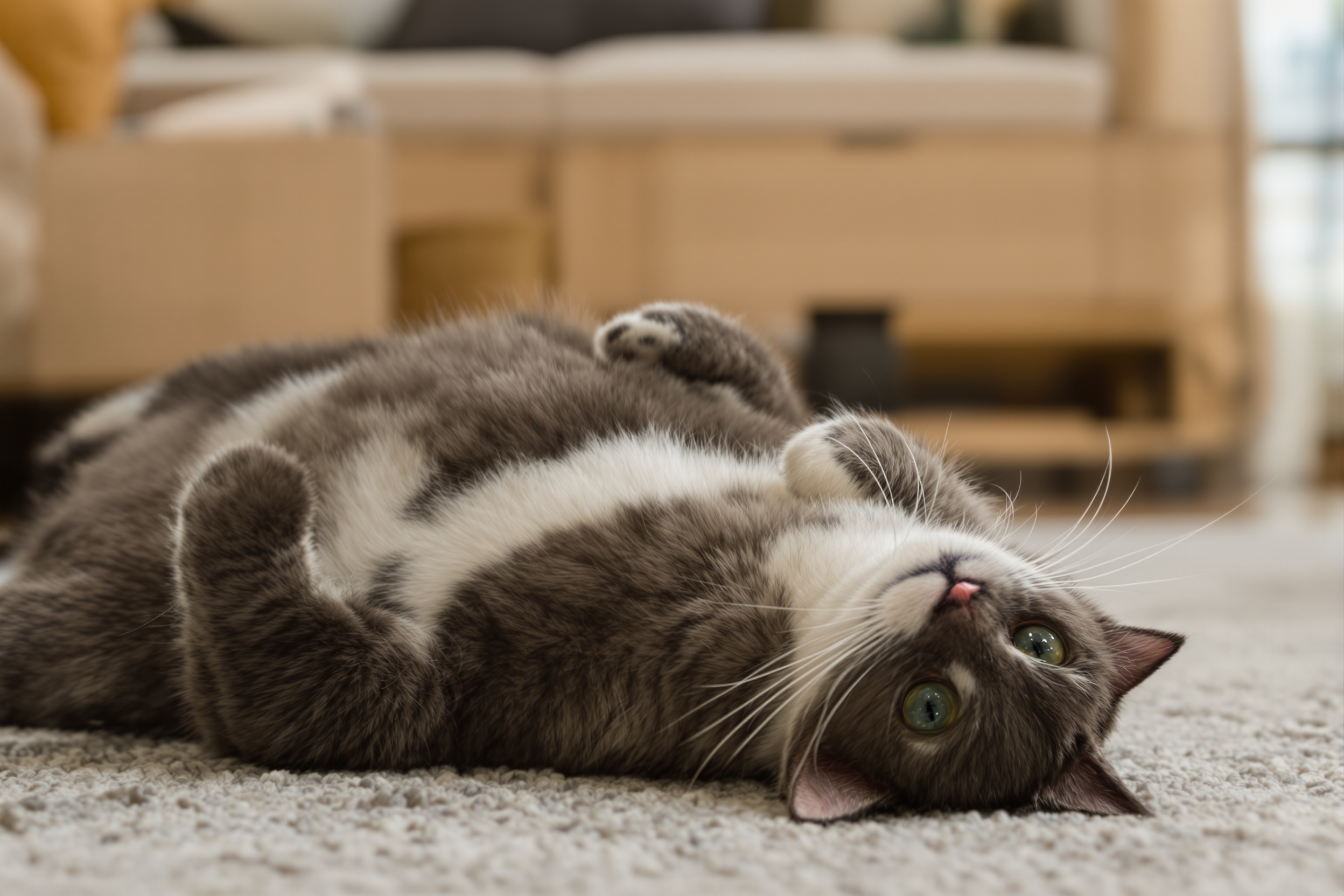
A cat’s belly is the most vulnerable part of its body, and it takes enormous trust to expose it. If your cat rolls over and shows you its belly — even if they don’t necessarily want you to touch it — they are trusting you completely.
Many cat owners misread this as an invitation to rub. It’s not. It’s a compliment. Admire from a respectful distance unless your cat has explicitly taught you otherwise.
7. Grooming You
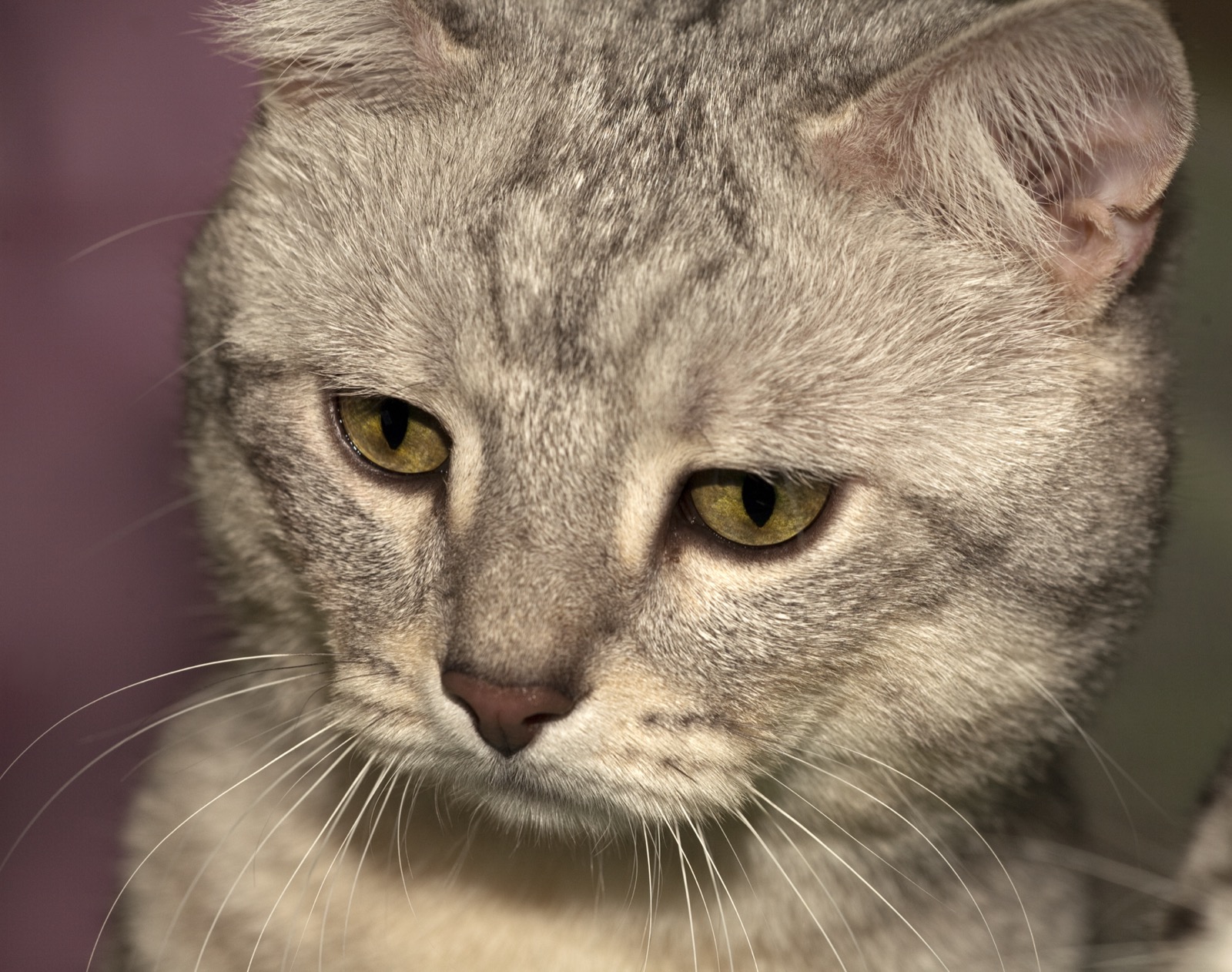
Cats groom the other cats they consider family — a behaviour called allogrooming. If your cat licks your hand, your hair, or (sweetly, or annoyingly) your eyelids while you sleep, they’re welcoming you into their inner circle. The tongue may be sandpapery. The sentiment is warm.
8. The Upright Tail with a Curl
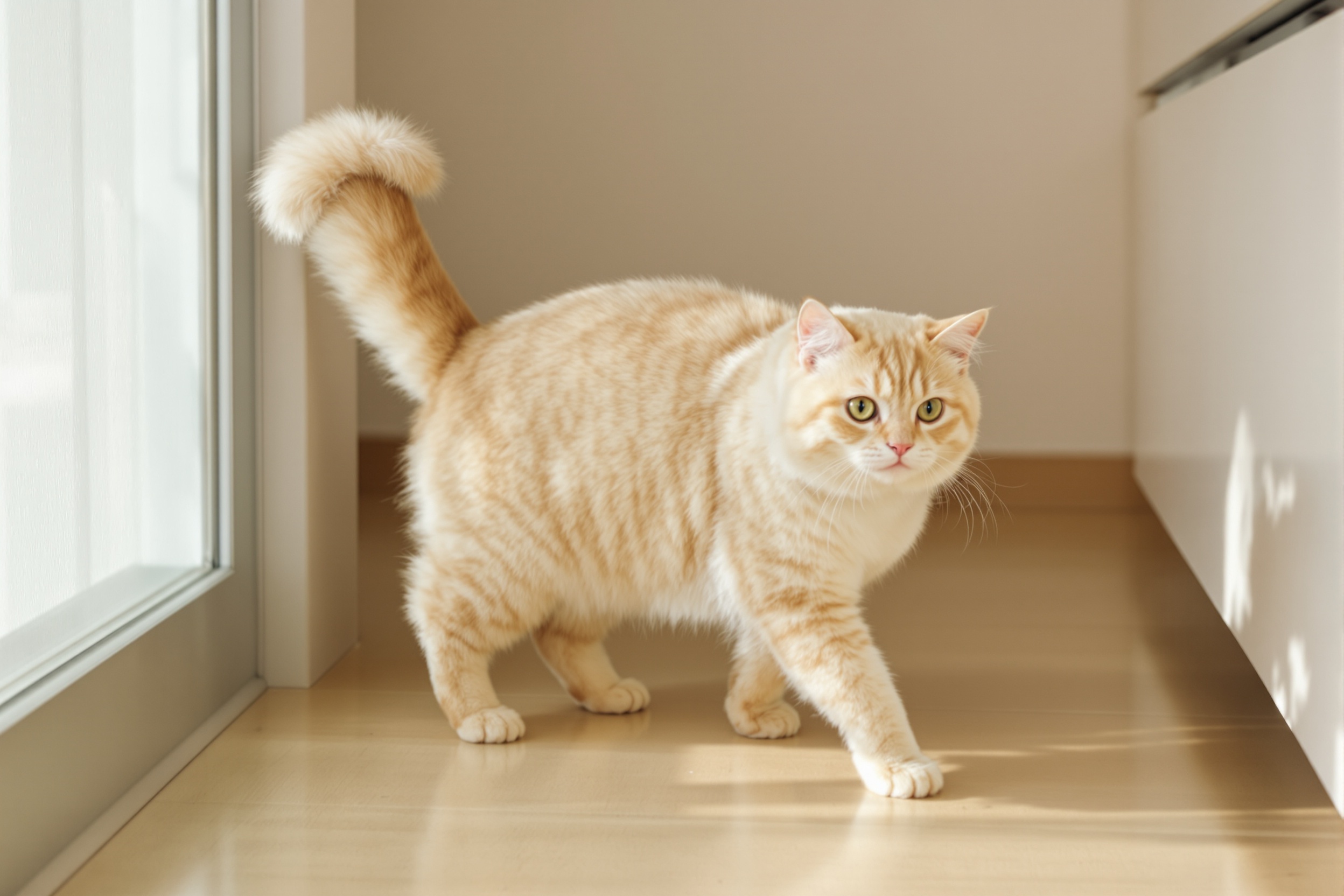
The tail is the most expressive part of a cat. A tail held straight up, especially with a small curl or “question mark” at the tip, is a friendly, confident greeting — the feline equivalent of a wave. Cats only use this tail carriage around humans and cats they genuinely like.
If your cat trots over with a high, curled tail the moment you come home, you’re their favourite thing that happens all day.
9. Soft Purring in Your Presence
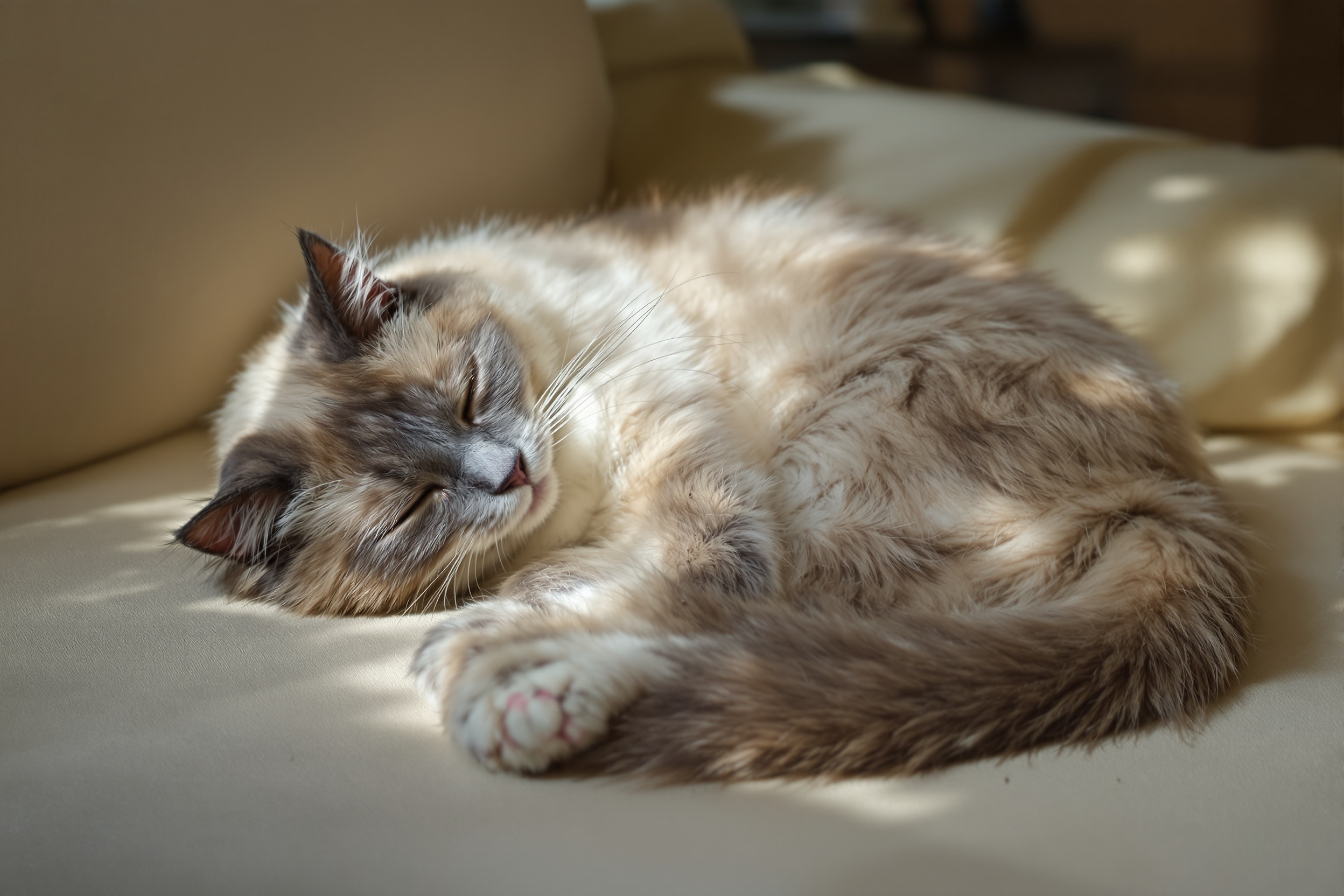
Not all purring is happy — cats sometimes purr when they’re in pain, stressed, or even near the end of life, as a self-soothing behaviour. But the soft, steady, engine-hum purr your cat produces while curled next to you, eyes half-closed, body relaxed? That’s the real thing. Contentment. Presence. Love.
Studies have shown that the frequency range of a cat’s purr (25–140 Hz) can lower human blood pressure. The love is, quite literally, good for you.
10. Meeting Your Eyes Across the Room
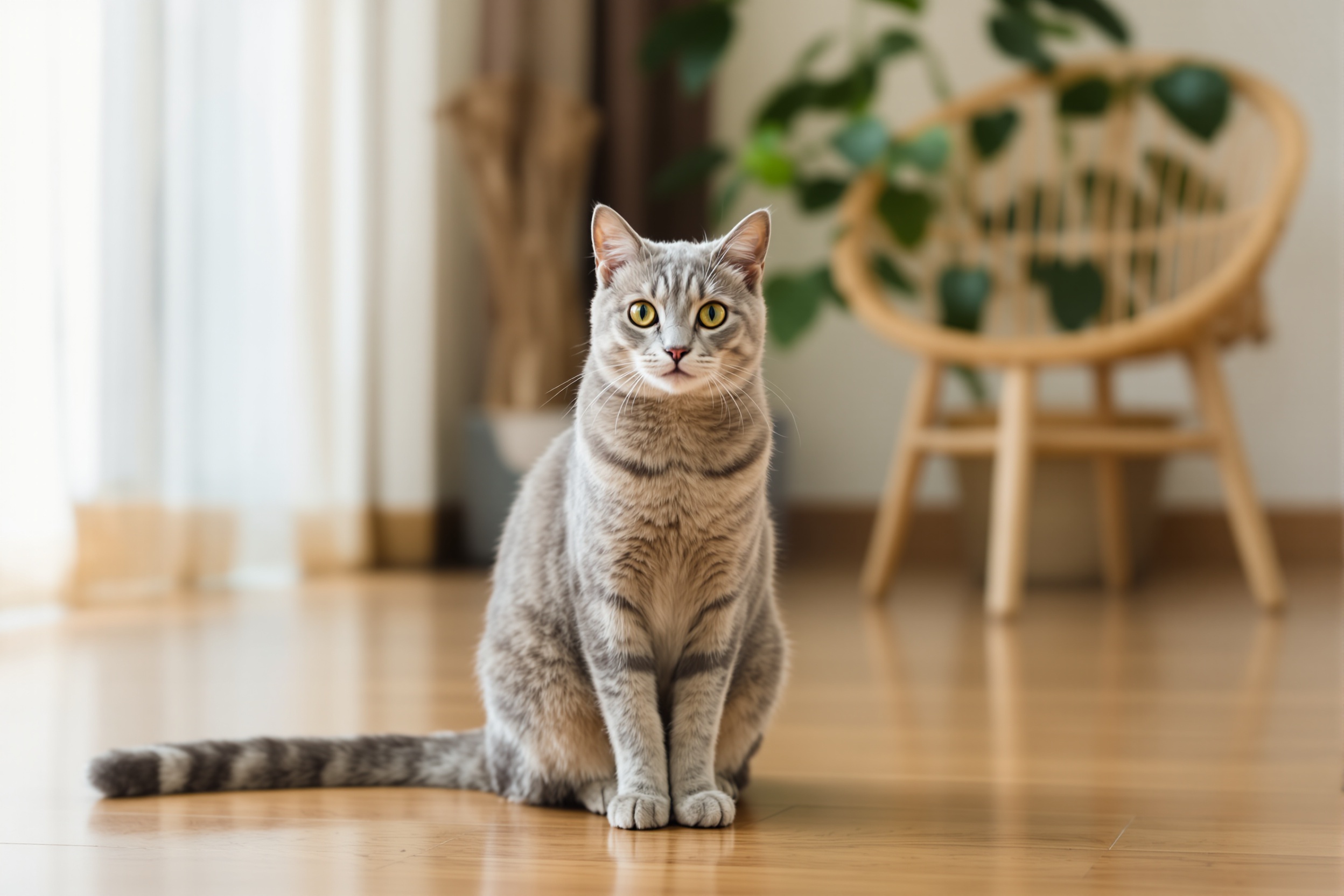
Cats don’t make casual eye contact. In feline society, a direct stare is either a challenge or a declaration. When your cat is across the room, sees you, and holds your gaze calmly — particularly if followed by a slow blink — they’re choosing connection. They’ve noticed you. They approve.
It’s the quietest “I love you” on this list. And often the most meaningful.
How to Say “I Love You” Back
Cats are fluent in their own affection. They don’t necessarily understand kisses or tight hugs — but they absolutely understand:
- Slow blinks back at them — the cat kiss, returned
- Predictable routines — meals at the same time, bedtimes kept
- Respecting their “no” — stopping when they pull away
- Quality play sessions — 10 minutes of wand-toy hunting before bed
- A safe territory — a few cosy perches, a scratching post, and a thoughtfully set-up home
The best “I love you” you can give a cat is a life where they feel safe, understood, and never forced.
What If My Cat Doesn’t Show These Signs?
Some cats are simply more reserved — rescues, shy breeds, or cats still settling into a new home may take months or years to fully open up. Affection styles also differ by breed: a British Shorthair often prefers sitting nearby to being held, while a Ragdoll might flop into your arms on day one. Our kitten settling guide can help with the early weeks.
But if a normally affectionate cat suddenly stops seeking you out, hides more, or changes their behaviour, it may not be emotional — it could be health-related. Cats mask pain extremely well, and withdrawal is often the first symptom. See our guide on what might be bothering your cat, and when in doubt, book a vet visit.
Frequently Asked Questions
Do cats really love their owners, or do they just want food?
Both things can be true at once. But research from Oregon State University in 2019 found that cats form secure emotional attachments to their humans in much the same way babies and dogs do — even when food is taken out of the equation. The affection is real, and it is bond-based.
Why does my cat show affection, then suddenly bite me?
This is almost always overstimulation. Cats have a lower tolerance for prolonged physical contact than most dogs. Learn the warning signs — a flicking tail tip, flattened ears, skin rippling along the back — and stop petting before your cat feels cornered. The bite isn’t rejection; it’s feedback.
My cat doesn’t do any of these. Did I get an unaffectionate cat?
Very unlikely. Cats show affection differently based on breed, personality, and past experiences. Some simply prefer proximity over touch, or prefer one person in the household over others. Keep offering gentle interaction, respect their pace, and bonds tend to deepen over months and years.
Can kittens from a cattery bond with me as strongly as rescue cats?
Yes — often more easily. Cats socialised from birth in a home environment (as ours are at Ximeow) typically come pre-wired for affection. They’ve known gentle human hands since their first days, which makes bonding with a new family much smoother.
Meet Your Next Feline Soulmate
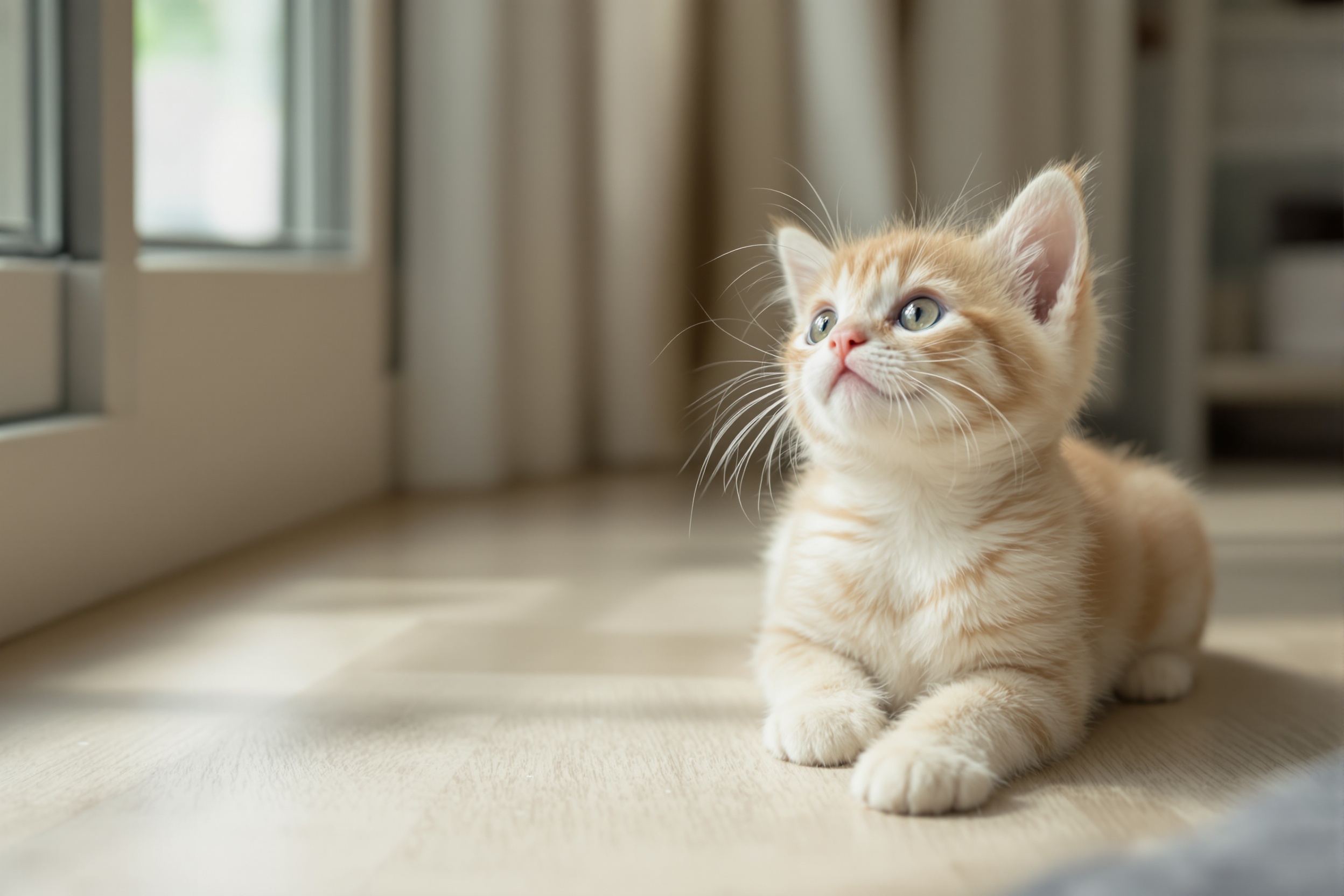
If this list made you miss a specific cat — or long for one you haven’t met yet — we might be able to help. At Ximeow Cattery, every one of our British Shorthair, Munchkin, and Ragdoll kittens is raised underfoot, around people, from day one. They arrive in your home already fluent in all ten of these “I love you”s.
Browse our available kittens →
Book a viewing at our cattery →
Slow blink to you, from us.
