




Understanding Munchkin Cat Health
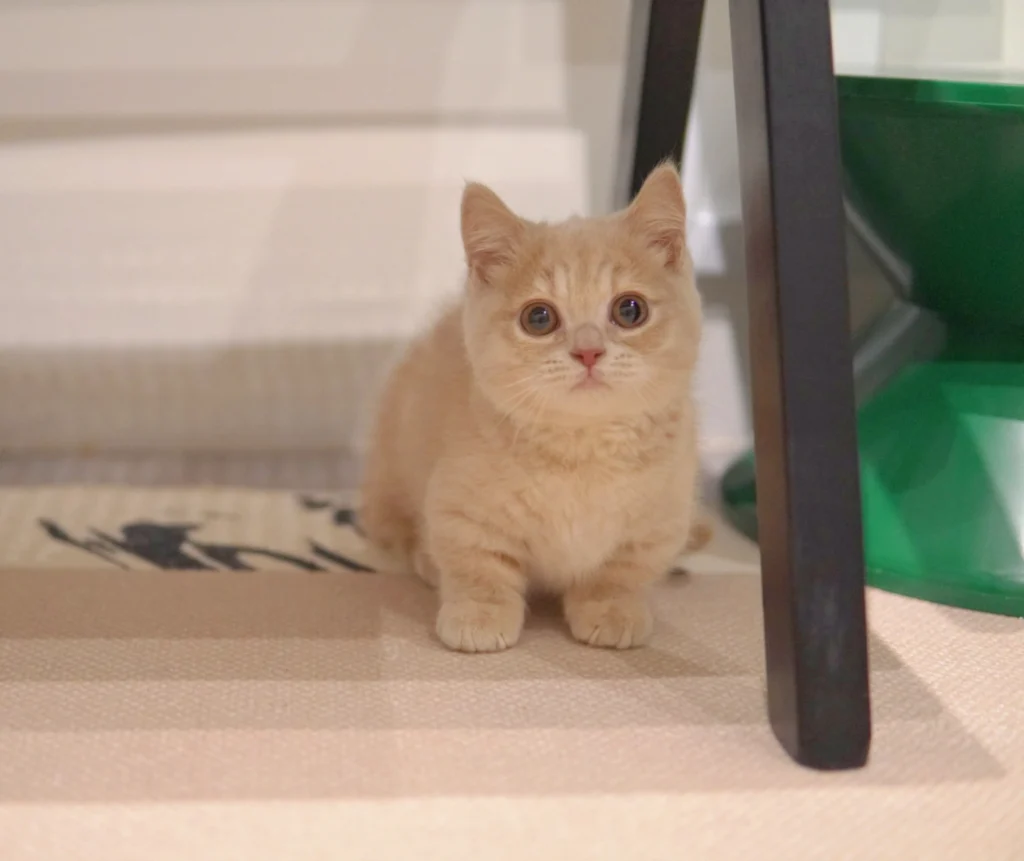
One of the most common questions prospective Munchkin owners ask is about their health. The good news? When bred responsibly, Munchkin cats are generally healthy, active, and live full lives just like any other domestic cat.
At Ximeow, we prioritise the health and wellbeing of every kitten we breed. This guide will help you understand Munchkin health considerations and how to keep your furry friend thriving for years to come.
The Truth About Munchkin Leg Length
How the Munchkin Gene Works
Munchkins have shorter legs due to a natural genetic mutation called achondroplasia, which affects leg bone length while leaving the spine unaffected. This is important to understand — unlike some breeds, Munchkins do not typically suffer from the spinal problems associated with dwarfism in other animals.
Mobility and Quality of Life
Despite their shorter legs, Munchkins are remarkably agile. They can:
- Run and play with enthusiasm
- Jump onto furniture (though not as high as longer-legged cats)
- Climb cat trees with appropriate platform heights
- Navigate their environment without difficulty
Their lower centre of gravity actually gives them excellent cornering abilities during play!
Common Health Considerations
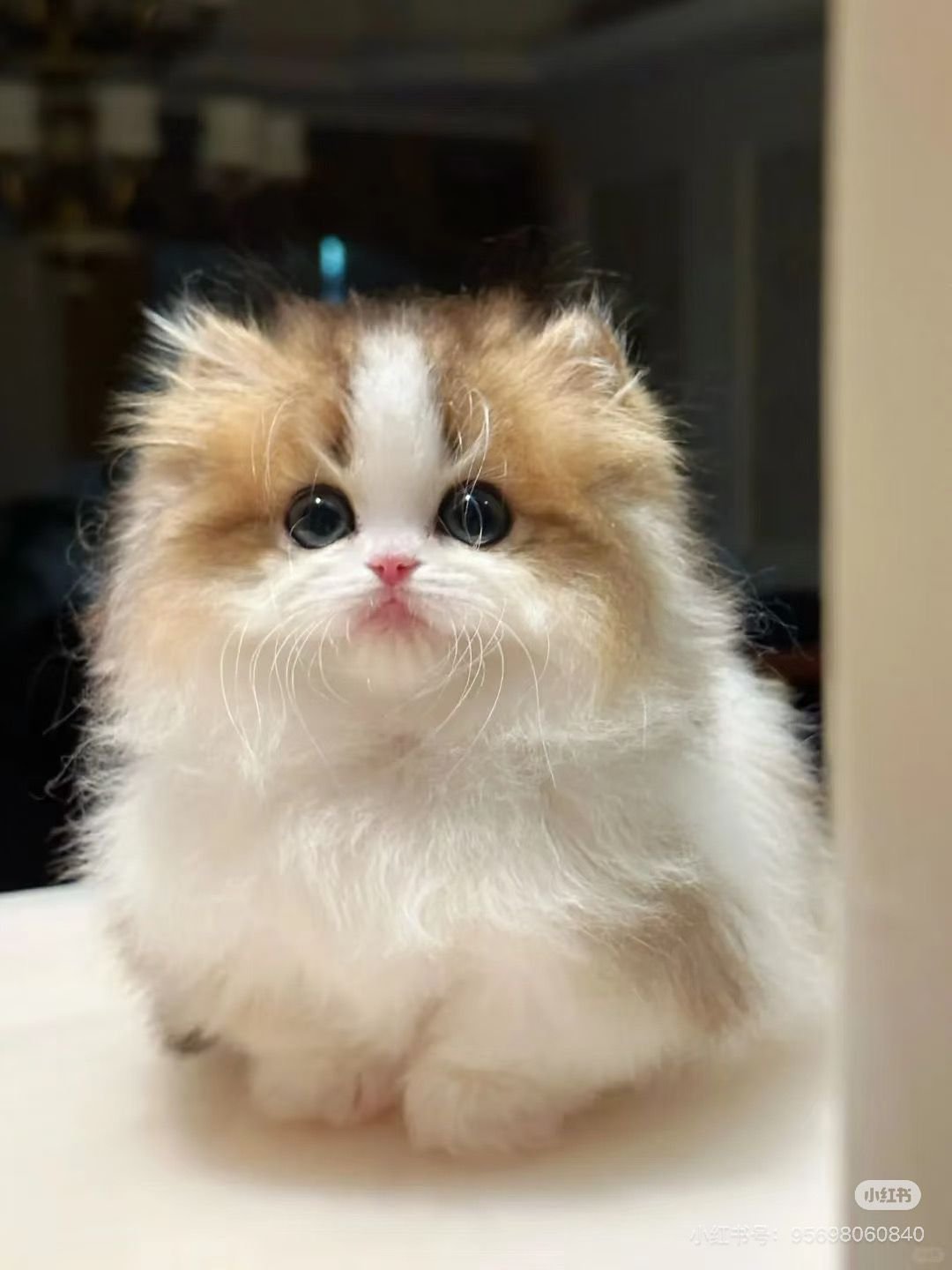
Lordosis
What it is: An excessive inward curvature of the spine that can affect the chest cavity.
The reality: This condition is rare and typically identified early by reputable breeders. Responsible breeding practices have significantly reduced its occurrence. At Ximeow, all our breeding cats are health-screened.
Pectus Excavatum
What it is: A congenital deformity where the chest appears sunken.
The reality: This can occur in any cat breed and is not specific to Munchkins. Mild cases often cause no health issues, while severe cases are rare.
Osteoarthritis
What it is: Joint inflammation that can develop with age.
Prevention:
- Maintain a healthy weight (crucial for Munchkins)
- Provide joint-supporting nutrition
- Ensure regular, moderate exercise
- Consider joint supplements as recommended by your vet
Obesity
Why it matters: Extra weight puts additional strain on Munchkin joints. This is perhaps the most preventable health concern.
Prevention:
- Feed measured portions of high-quality food
- Limit treats to 10% of daily calories
- Encourage daily active play
- Regular weigh-ins at home or the vet
Preventive Health Care Schedule
Kitten Stage (0-12 Months)
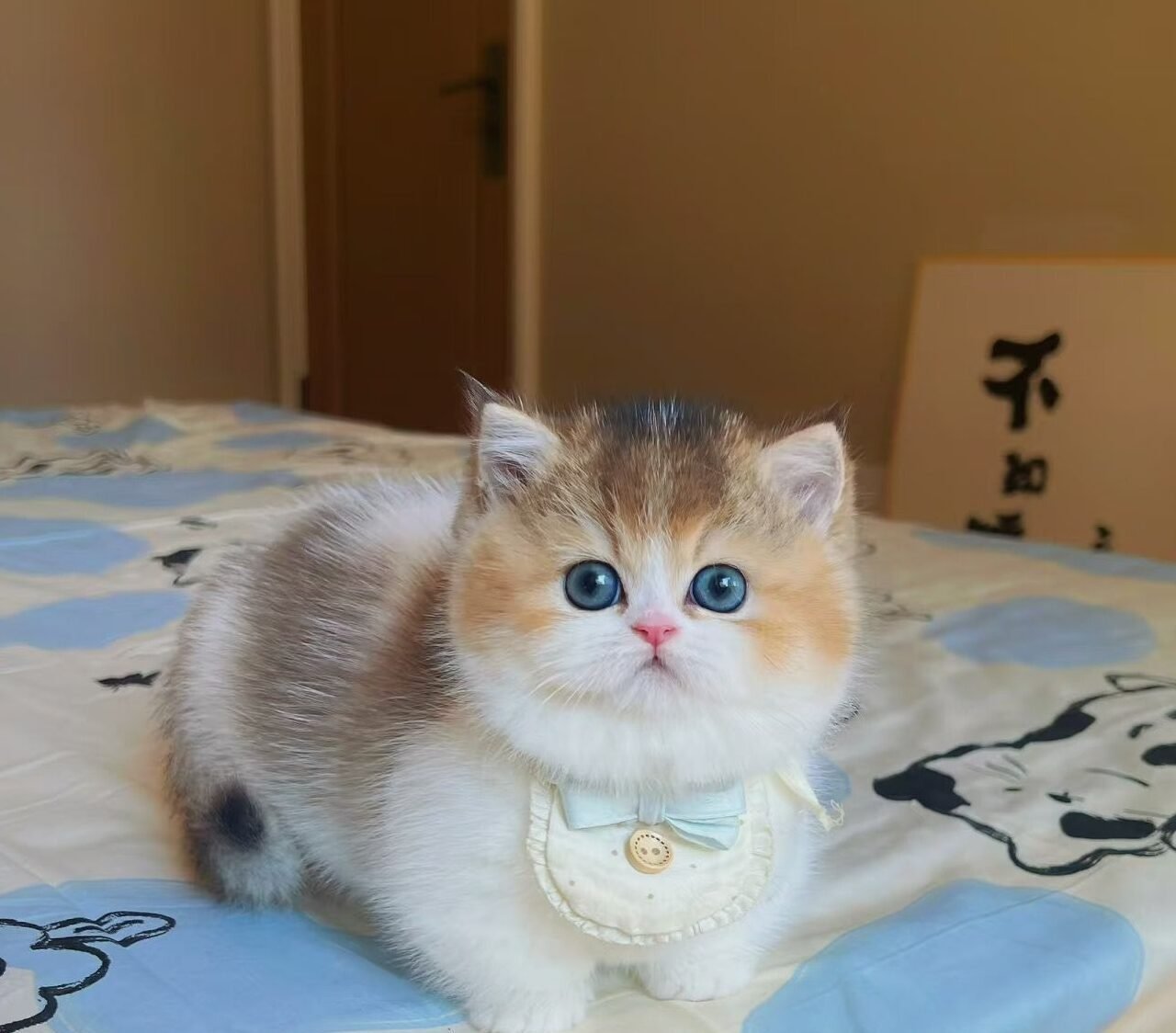
Your kitten’s first year is crucial for establishing good health. Essential care includes:
Vaccinations:
- 6-8 weeks: First FVRCP vaccination
- 10-12 weeks: Second FVRCP vaccination
- 14-16 weeks: Third FVRCP vaccination + Rabies (if required)
- Annual boosters thereafter
Deworming:
- Every 2 weeks until 12 weeks old
- Monthly until 6 months old
- Every 3 months as adults
Other essentials:
- Microchipping
- Spaying/neutering (typically 5-6 months)
- Flea and tick prevention
Adult Stage (1-7 Years)
- Annual veterinary check-ups
- Yearly vaccinations
- Dental examinations
- Weight monitoring
- Regular deworming
Senior Stage (7+ Years)
- Bi-annual veterinary visits
- Blood work screening
- Joint health monitoring
- Dental care
- Kidney function tests
Nutrition for Optimal Health
Choosing the Right Food
Munchkins thrive on high-quality, protein-rich diets. Look for:
- Named meat as the first ingredient (chicken, fish, turkey)
- Limited fillers and grains
- Appropriate fat content for weight management
- Added taurine for heart and eye health
- Omega fatty acids for coat health
Feeding Guidelines
Kittens (up to 12 months):
- 3-4 small meals daily
- Kitten-specific formula
- Free access to water
Adults (1+ years):
- 2 meals daily at set times
- Portion control based on weight
- Fresh water always available
Foods to Avoid
- Onions and garlic (toxic)
- Chocolate (toxic)
- Grapes and raisins (toxic)
- Raw fish (can cause thiamine deficiency)
- Milk (many cats are lactose intolerant)

Exercise and Mental Stimulation
Daily Activity Recommendations
Regular exercise is vital for maintaining a healthy weight and preventing joint issues:
- 15-20 minutes of active play twice daily
- Wand toys and feather teasers
- Puzzle feeders for mental stimulation
- Laser pointer sessions (supervised)
Environment Enrichment
When setting up your Singapore home for a Munchkin:
- Provide cat trees with lower, accessible platforms
- Include ramps or steps to favourite spots
- Offer hiding spots and tunnels at ground level
- Rotate toys to maintain interest
Grooming for Health
Coat Care
Munchkins come in both short and long-haired varieties:
Short-haired:
- Weekly brushing
- Minimal matting concerns
Long-haired:
- Brush 2-3 times weekly
- Pay attention to undercoat
- Watch for mats behind ears and under legs
- See our complete grooming guide for detailed tips
Nail Care
- Trim every 2-3 weeks
- Provide scratching posts
- Check for overgrown nails regularly
Dental Health
- Daily brushing if possible (use cat-safe toothpaste)
- Dental treats and toys
- Annual professional dental check
Ear and Eye Care
- Weekly ear checks for debris or odour
- Gentle cleaning with vet-approved solution if needed
- Wipe eye discharge with damp cotton ball
Signs Your Munchkin Needs Veterinary Attention
Seek immediate care if you notice:
- Difficulty breathing or open-mouth breathing
- Inability to walk or sudden lameness
- Not eating for more than 24 hours
- Vomiting or diarrhoea lasting more than a day
- Straining to urinate (especially in males)
- Lethargy or hiding behaviour
Schedule a vet visit for:
- Changes in appetite or water consumption
- Weight loss or gain
- Changes in litter box habits
- Excessive scratching or hair loss
- Bad breath or drooling
- Behavioural changes
If your cat seems frustrated or bothered, it may be a sign of underlying discomfort worth investigating.
Finding a Good Vet in Singapore
What to Look For
- Experience with pedigree cats
- Convenient location for regular visits
- Emergency services or referral network
- Good communication and patient approach
- Reasonable pricing with transparent fees
Questions to Ask
- Do you have experience with Munchkin cats?
- What are your emergency protocols?
- Do you offer wellness packages?
- What payment options are available?
Pet Insurance Considerations
Given potential breed-specific considerations, pet insurance can provide peace of mind:
- Compare policies from Singapore providers
- Check coverage for hereditary conditions
- Understand waiting periods and exclusions
- Consider annual vs. lifetime coverage limits
Lifespan and Quality of Life
With proper care, Munchkin cats typically live 12-15 years — comparable to other domestic cat breeds. Many Munchkins live even longer with excellent nutrition, regular veterinary care, and a loving home environment.
Keys to a Long, Healthy Life:
- Balanced, portion-controlled diet
- Regular exercise and play
- Preventive veterinary care
- Safe, stimulating indoor environment
- Lots of love and attention
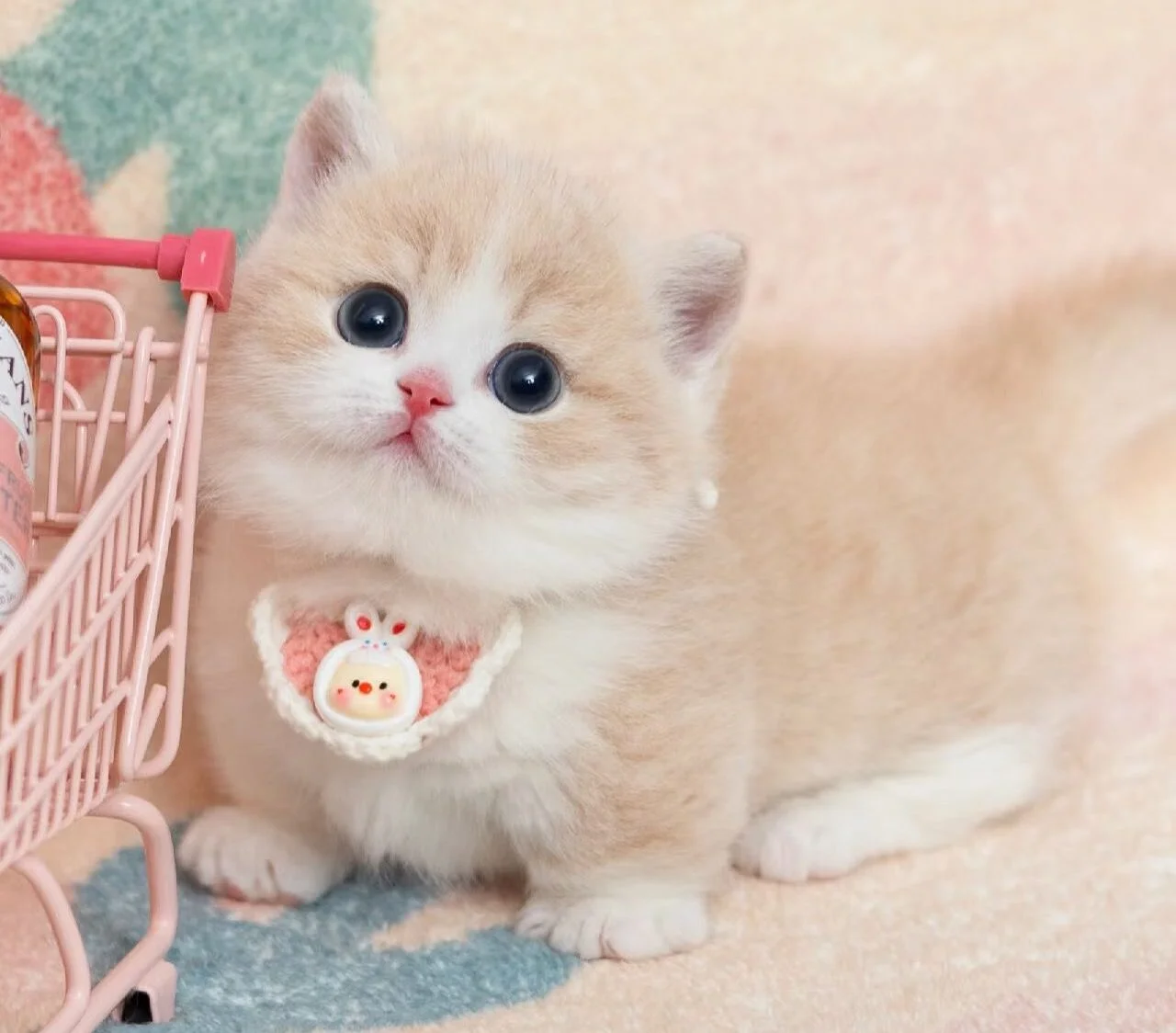
Adopt a Healthy Munchkin from Ximeow
At Ximeow, we are committed to breeding healthy, well-socialised Munchkin kittens. Every kitten in our care receives:
- Comprehensive health screening
- Age-appropriate vaccinations
- Deworming treatment
- Microchipping
- Health guarantee
- Ongoing support from our experienced team
For a complete overview of the breed, read our Complete Munchkin Cat Guide.
Ready to welcome a healthy Munchkin into your family? Browse our available Munchkin kittens or book a viewing session today.
Frequently Asked Questions
Are Munchkin cats in pain because of their short legs?
No. Healthy Munchkins do not experience pain from their leg length. Their shorter legs are simply a physical trait, and they move, play, and live comfortably.
Do Munchkins need special veterinary care?
Munchkins require standard cat veterinary care. Weight management is particularly important, and some owners opt for occasional joint health assessments as their cat ages.
Can Munchkins live with other cats?
Yes! Munchkins are social and typically get along well with other cats. Proper introductions are key to helping your kitten settle into a multi-pet home.
Is it cruel to breed Munchkin cats?
Responsible Munchkin breeding prioritises health and welfare. Ethical breeders conduct health screenings, avoid breeding two Munchkins together (which can cause issues), and ensure all kittens are healthy before adoption.
