





Choosing between a British Shorthair and a Ragdoll can feel like a delightful dilemma. Each breed brings unique traits that may, or may not, perfectly suit your lifestyle, and knowing these differences can help both you and your new cat settle into their new home. Understanding the nuances between these two breeds will help you make a well-informed decision.
Friendly Temperament And Personality
British Shorthairs are known for their calm and dignified nature. They are suave companions who rarely demand attention at inconvenient times. Instead, they enjoy your company in a low-key way, often sitting nearby rather than climbing into your lap. They bond with their human companions, yet they remain independent and adaptable to varying routines. Many cat lovers who decide to buy British Shorthair appreciate this easy-going balance between affection and independence.
Ragdolls, however, are affectionate to a proverbial fault. They are sometimes described as “puppy-like”, happily following you from room to room and loving to be handled and held. Their gentle and trusting demeanour makes them ideal for families seeking a sociable and loving companion.
Energy Levels And Activity Needs
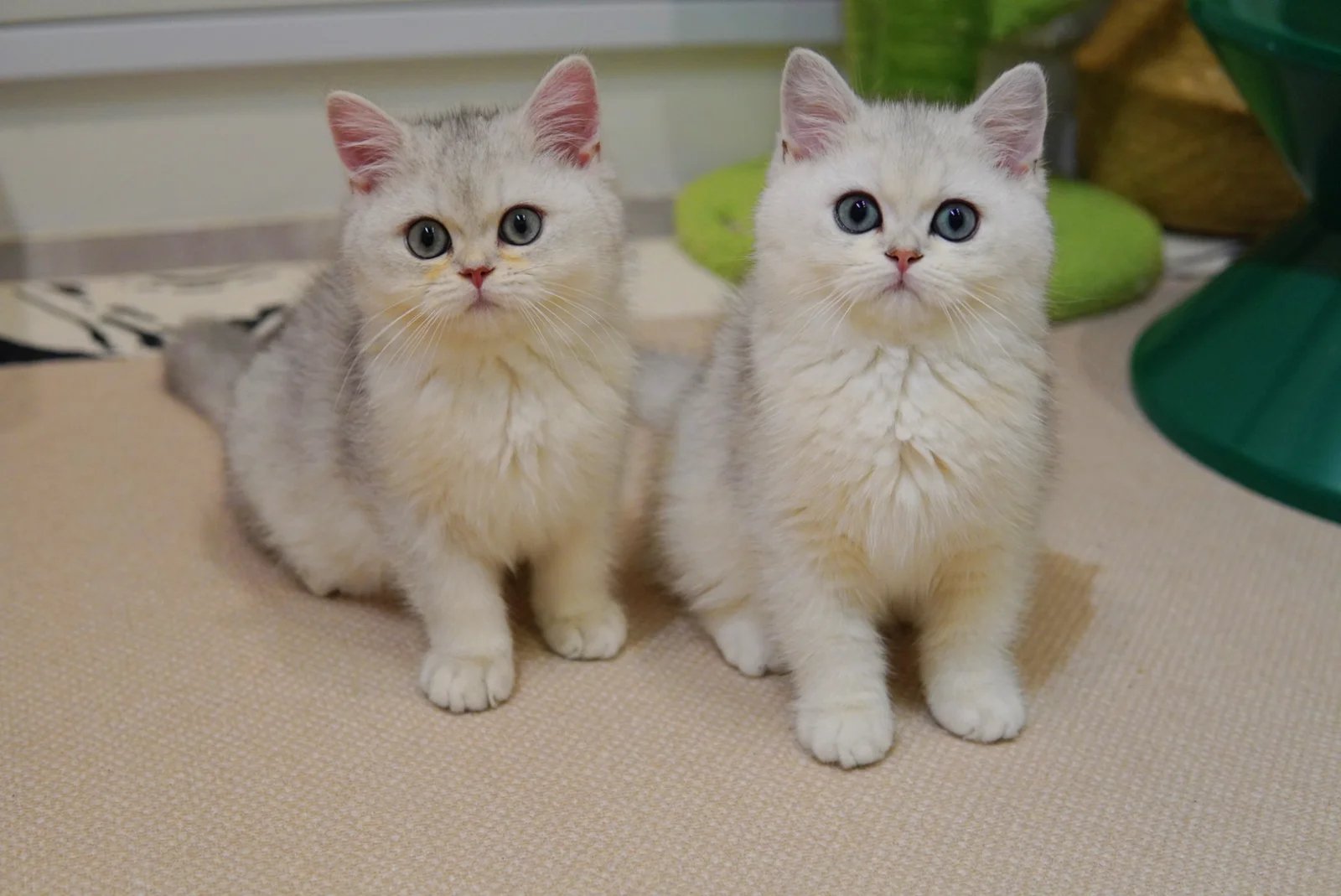
British Shorthairs are moderate in energy. They enjoy a playful session now and then, but they are not hyperactive. Their sturdy build and plush coat make them content to lounge for a good portion of the day.
Ragdolls, although not overly energetic, are more interactive and curious. They respond positively to gentle play and will even initiate interaction. If you enjoy playing with toys or engaging in affectionate games, a Ragdoll may align better with your activity level. Families browsing kittens for sale in Singapore often find Ragdolls appealing because of their playful yet gentle nature.
Grooming Requirements
Grooming is an important practical consideration. British Shorthairs have dense, crisp short coats that are fairly easy to maintain. Weekly brushing is sufficient to keep their fur in good condition and reduce shedding.
Ragdolls possess semi-long, luxurious fur that resists tangling more than many long-haired cats, yet it still demands more frequent grooming. A few sessions per week are advisable to avoid matting and keep their coat silky.
If grooming is something you relish, the Ragdoll’s coat may appeal to you. Otherwise, the lower maintenance of the British Shorthair could be more convenient.
Adaptability And Living Environment
Both breeds are well suited to indoor living and adapt to apartment environments. British Shorthairs are especially content in serene, uncluttered spaces. They relish routine and may hesitate to adjust to sudden changes.
Ragdolls are more flexible and tolerant. Their adaptable nature allows them to cope more easily with different environments, people and even children. They are known for their calm tolerance and amiable attitude, which tends to thrive in busy or varied household dynamics.
If you live in a lively family home or anticipate changes in your routine, a Ragdoll’s adaptable temperament may be a perfect fit.
Health And Lifespan Considerations
Both breeds enjoy relatively robust health and typically reach 12 to 15 years of age, with some living even longer when properly cared for.
British Shorthairs can occasionally face issues such as hypertrophic cardiomyopathy (HCM) and obesity due to their stocky build. Regular veterinary checks and a balanced diet are especially important.
Ragdolls may also be predisposed to HCM and urinary tract issues. Gentle monitoring and preventative care are effective ways to help ensure a long, happy life for your Ragdoll.
Whichever breed you choose, sourcing from a reputable cattery and maintaining comprehensive vet care will go far in securing your cat’s well-being.
Family Compatibility And Social Needs
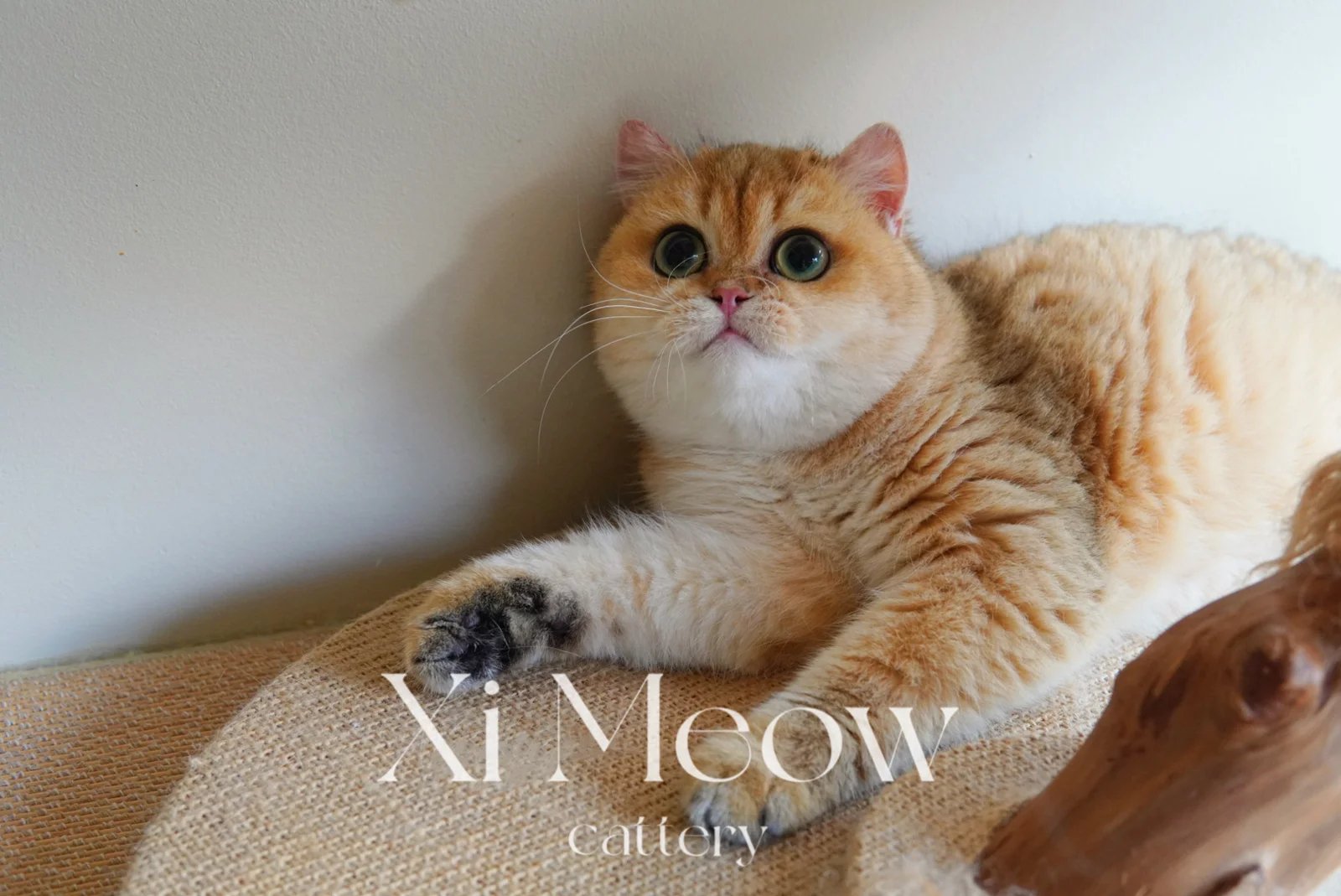
If your household includes children or other pets, both breeds have much to offer—but in different ways.
British Shorthairs are calm and observant. They accept affection on their own terms and usually cope well with respectful, gentle children or other calm pets.
Ragdolls, on the other hand, are often more playful and engaging. Their open affection makes them excellent family pets, especially where they will be handled frequently by children or enjoy being around other animals.
Assess how active your home is and how much interaction your new companion will receive. A more reserved cat may appreciate quiet surroundings, while a loving, outgoing cat may thrive on daily interaction.
Noise Tolerance And Vocalisation
British Shorthairs are generally not very vocal. They communicate through subtle body language and are unlikely to disturb the household with frequent meowing.
Ragdolls may be more talkative. They often use soft, chirruping sounds to communicate their needs or to greet their humans. If you value a communicative companion, a Ragdoll may provide that extra reassurance and companionship.
Making Your Final Decision
To recap: choose a British Shorthair if you prefer a reserved, independent, low-maintenance companion who will offer calm presence without overt neediness. Opt for a Ragdoll if you are looking for a warm, affectionate friend who enjoys physical contact, interaction and bonding.
Your lifestyle, schedule and household rhythms will guide your decision most. Consider how much playtime and attention you can offer, the grooming commitments you want, and how your home environment may shape your cat’s comfort.
Conclusion
Deciding between British Shorthair and Ragdoll comes down to matching temperament, energy, grooming needs and social nature with your routine and preferences. Whichever path you choose, beginning your journey with a reputable, caring breeder is key—and that is where Xi Meow Cattery truly stands out.
Visit Xi Meow Cattery to learn more about the beautiful kittens and the exceptional care behind each one. Your perfect companion awaits!
